





Laughing Gull
Leucophaeus atricilla
The Laughing Gull is a playful bird known for its cheerful calls that sound like laughter! These birds love to hang out near beaches and are often seen flying over the waves.
Lebensraum: Coastal areas
The Laughing Gull has a distinctive black head during summer, which turns white with dusky markings in winter. Its dark gray back and wings contrast sharply with a clean white belly. It also features a noticeable red bill and legs.
Kategorie
VögelSeltenheit
Common
Gefahr
1/5 · Sehr gering
Snaps
Mach den ersten Snap!
A flock of gulls on the water can be called a 'flotilla' – how cool!
Laughing Gulls take three years to grow their full adult feathers and colors!
Their camouflaged eggs blend perfectly into sandy nests, hiding from predators.
They sometimes steal food right from other birds or even humans!
Laughing Gulls can pluck food from the water's surface or catch insects in mid-air because of their agile flight.
Laughing Gulls have special glands near their eyes that help them remove excess salt, allowing them to drink seawater.
Laughing Gulls have a versatile diet that helps them survive by eating a wide variety of foods, even human scraps.
Laughing Gulls are clever, opportunistic eaters that munch on almost anything they can find, from crabs to discarded snacks!
Falco peregrinus
Peregrine Falcons sometimes prey on adult gulls during migration.
Uca pugilator
Laughing Gulls frequently eat small crabs found along the shoreline.
Homo sapiens
They often scavenge for discarded food left behind by people.
.jpg&width=800)
Sterna antillarum
Laughing Gulls sometimes steal fish from smaller seabirds like terns.
Gefiedert beschreibt Tiere, hauptsächlich Vögel, die ein Federkleid besitzen.
Soziale Tiere leben in organisierten Gruppen und kooperieren, um ihr Überleben zu sichern, beispielsweise bei der Nahrungssuche, Verteidigung und Aufzucht der Jungen.
Aasfresser ernähren sich von toter organischer Substanz und helfen dabei, Kadaver und andere Abfälle im Ökosystem abzubauen.
Farbenfroh beschreibt Organismen oder Objekte, die eine große Vielfalt an leuchtenden und deutlich erkennbaren Farben aufweisen.

Küstenlebensräume sind dynamische Umgebungen an der Schnittstelle zwischen Land und Meer, die von Gezeiten, Wellen und Salzwasser geprägt sind.

Dieses Merkmal kennzeichnet Organismen, deren Ernährung vollständig oder hauptsächlich aus tierischem Gewebe besteht.

Tagaktive Tiere sind hauptsächlich bei Tageslicht aktiv und ruhen oder schlafen in der Regel nachts.

Marine Lebensräume umfassen alle Salzwasserumgebungen der Ozeane der Erde und beherbergen eine immense Vielfalt an Wasserlebewesen.

Wandertiere unternehmen saisonale Wanderungen von einer Region in eine andere, meist als Reaktion auf Klimaänderungen oder Nahrungsverfügbarkeit.
Noch keine Alternativnamen vorhanden.
Gefahr
1/5 · Sehr gering
Enjoy watching birds from a distance and don't feed them human food.
36-41 cm
98-110 cm
0.2-0.35 kg
10-20 Jahre
50 km/h
Laughing Gulls are clever, opportunistic eaters that munch on almost anything they can find, from crabs to discarded snacks!
Coastal areas
Foraging
Zoome hinein, um Cluster aufzulösen und zu sehen, wo dieses Objekt fotografiert wurde.
Neueste Snaps erscheinen hier, wenn neue Beobachtungen hinzukommen.
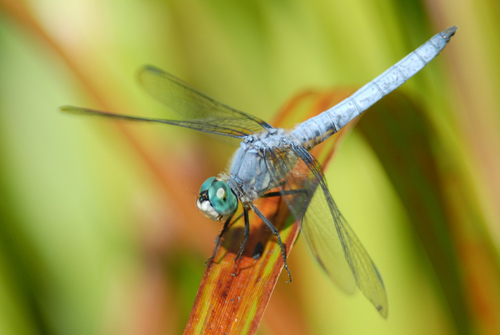
New Jersey, US
Hier kann man sehen Blauer Sonnenzeiger, Eastern Pondhawk und Laughing Gull.
Führer anzeigen →

Virginia, US
Hier kann man sehen Brauner Pelikan und Ohrenscharbe.
Führer anzeigen →
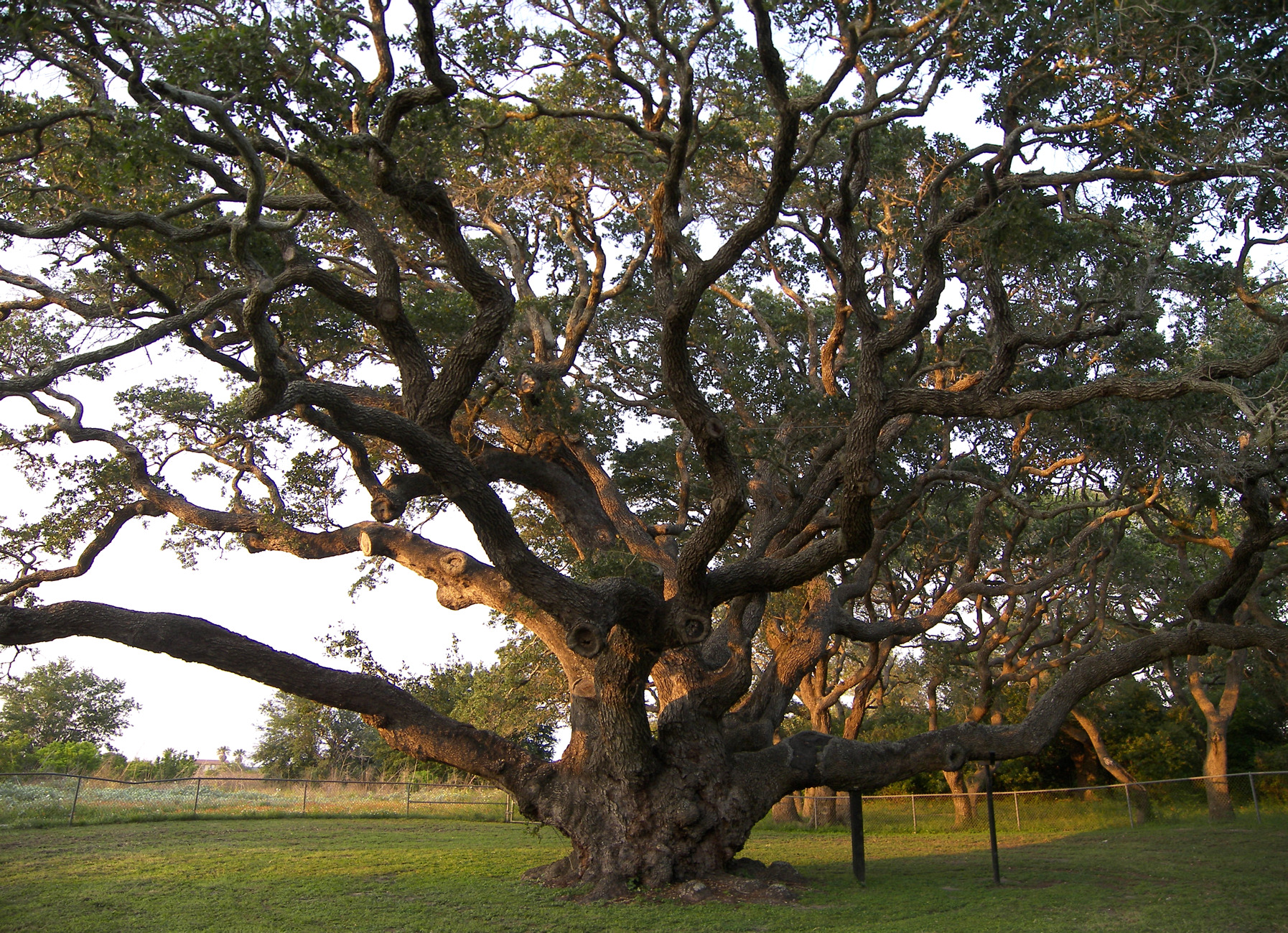
Texas, US
Hier kann man sehen Brauner Pelikan, Weißwedelhirsch und Laughing Gull.
Führer anzeigen →
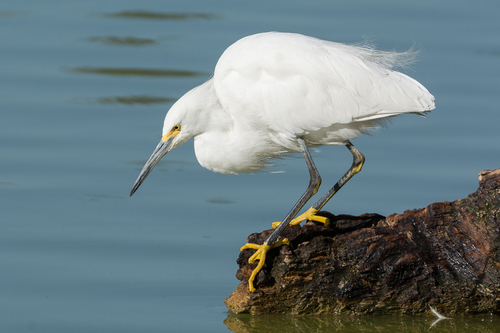
Florida, US
Hier kann man sehen Snowy Egret, Brauner Pelikan und Boat-Tailed Grackle.
Führer anzeigen →

Delaware, US
Hier kann man sehen Atlantic Horseshoe Crab und Laughing Gull.
Führer anzeigen →

Florida, US
Hier kann man sehen False Rosemary, Florida Rosemary und Sanderling.
Führer anzeigen →




.jpg&width=800)


.jpg&width=800)





