Cortinariaceae
cortinariaceae
Cortinariaceae mushrooms are fascinating fungi that often have colorful caps and are found in many forests. They play an important role in nature by helping to break down dead plants and trees!
Lebensraum: Cortinariaceae mushrooms typically grow in moist, shaded areas of forests.
The Cortinariaceae has a diverse appearance, often featuring rust-brown spores that can dust the stem or a spiderweb-like veil. Caps vary from conical to convex, frequently displaying scaly or silky textures in earthy tones like brown, purple, or olive.
Kategorie
PilzeSeltenheit
Common
Gefahr
1/5 · Sehr gering
Snaps
Mach den ersten Snap!
Even tiny pieces of certain Cortinariaceae can cause serious kidney damage if eaten.
Many species have a unique "cortina," a spiderweb-like veil, protecting their young gills.
Some Cortinarius mushrooms smell like radishes, a surprising and helpful identification clue!
The Cortinariaceae family is one of the largest mushroom groups, with thousands of species!
Cortinariaceae can form mycorrhizal networks that help trees absorb essential nutrients and water from the soil.
Cortinariaceae has compounds that make them poisonous, deterring animals from eating them and protecting their spores.
Many species have rust-brown spores that readily detach, helping them spread far and wide to new locations.
Picea abies
forming vital mycorrhizal partnerships
Quercus robur
sharing nutrients through root connections

Arion ater
slugs consume their mushroom caps and stems
Odocoileus virginianus
deer may browse on available woodland fungi
Einzelgänger leben den größten Teil ihres Lebens allein und interagieren mit Artgenossen nur zur Paarung oder zur Aufzucht der Jungen.
Farbenfroh beschreibt Organismen oder Objekte, die eine große Vielfalt an leuchtenden und deutlich erkennbaren Farben aufweisen.
Waldlebensräume sind terrestrische Lebensräume, die von dichtem Baumbestand dominiert werden und eine große Vielfalt an Pflanzen- und Tierarten beherbergen.
Beschreibt Organismen, die totes organisches Material abbauen und Nährstoffe in das Ökosystem zurückführen.

Aquatische Lebensräume umfassen Umgebungen, in denen Organismen überwiegend im Wasser leben, darunter Ozeane, Flüsse, Seen und Feuchtgebiete.
Gefahr
1/5 · Sehr gering
Always ask an adult before touching or picking mushrooms.
3-18 cm
poisonous
2-15 cm
Cortinariaceae mushrooms typically grow in moist, shaded areas of forests.
soil
Summer to fall
Rust-brown
Zoome hinein, um Cluster aufzulösen und zu sehen, wo dieses Objekt fotografiert wurde.
Neueste Snaps erscheinen hier, wenn neue Beobachtungen hinzukommen.
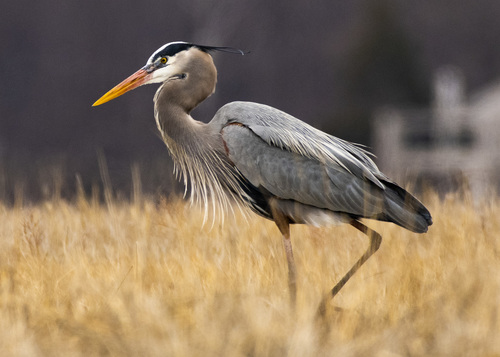
California, US
Hier kann man sehen Kanadareiher, Black-Crowned Night Heron und Grünreiher.
Führer anzeigen →
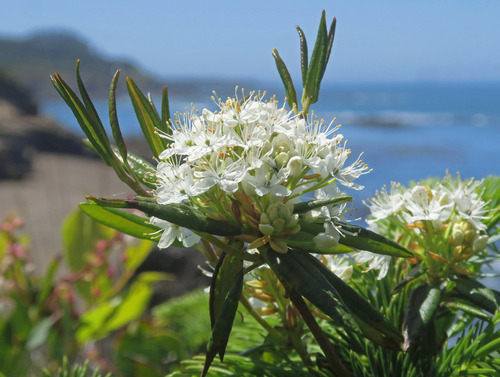
British Columbia, CA
Hier kann man sehen Western Labrador Tea, Grouse Whortleberry und Küsten-Kiefer.
Führer anzeigen →