






Cottonwood Leaf Beetle
Chrysomela scripta
The Cottonwood Leaf Beetle is a small, shiny beetle that loves to munch on cottonwood leaves. They are bright yellow with black spots, making them easy to spot on the trees they eat.
Lebensraum: Forests
The Cottonwood Leaf Beetle has an oval, somewhat flattened body. It features a shiny, often metallic black head and thorax, with distinctive yellow or orange stripes running down its black wing covers, sometimes dotted with black spots. Its bright coloration makes it visually distinct from many other leaf beetles.
Kategorie
InsektenSeltenheit
Common
Gefahr
1/5 · Sehr gering
Snaps
Mach den ersten Snap!
Mom beetles glue tiny bright yellow eggs to the bottom of leaves, like secret treasures!
Sometimes hundreds of these beetles gather together, creating a beetle party!
Too many beetles can make a cottonwood tree look like it has no leaves at all!
Young beetles are slug-like grubs that eat leaves just like their parents!
Cottonwood Leaf Beetles can release foul-tasting compounds from their bodies because they absorb plant toxins, helping them deter predators.
Cottonwood Leaf Beetles have powerful chewing mouthparts adapted for feasting on tough cottonwood and willow leaves, their main food.
Cottonwood Leaf Beetles can survive freezing temperatures by hibernating as adults in sheltered spots, waiting for spring.
These beetles and their larvae munch exclusively on the leaves of cottonwood and willow trees.
Altersunterschiede: Larvae and adults both feed on host plant leaves, just in different life stages.

Populus deltoides
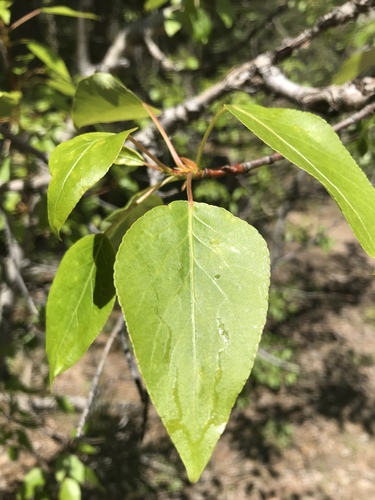
Beetle larvae and adults feed on its leaves.
Salix babylonica
Also a primary food source for both life stages.
Sialia sialis
Bluebirds prey on various insects, including beetles.
Araneus diadematus
Spiders can capture beetles in their sticky webs.
Chetogena scripta
Lays eggs on larvae, which are then consumed.
Mit Flecken oder farblich abgesetzten Bereichen gezeichnet.
Einzelgänger leben den größten Teil ihres Lebens allein und interagieren mit Artgenossen nur zur Paarung oder zur Aufzucht der Jungen.
Farbenfroh beschreibt Organismen oder Objekte, die eine große Vielfalt an leuchtenden und deutlich erkennbaren Farben aufweisen.
Dieses Merkmal kennzeichnet Lebewesen, deren Ernährung vollständig oder hauptsächlich aus pflanzlichem Material besteht.

Waldlebensräume sind terrestrische Lebensräume, die von dichtem Baumbestand dominiert werden und eine große Vielfalt an Pflanzen- und Tierarten beherbergen.

Beschreibt eine Art, deren Anwesenheit und Rolle einen unverhältnismäßig großen Einfluss auf ihre Umwelt haben.

Tagaktive Tiere sind hauptsächlich bei Tageslicht aktiv und ruhen oder schlafen in der Regel nachts.

Beschreibt Organismen, die Pollen übertragen und so die Befruchtung und Fortpflanzung von Pflanzen ermöglichen.
Noch keine Alternativnamen vorhanden.
Gefahr
1/5 · Sehr gering
It's best to look at beetles from a distance and not touch them.
5-8 mm
30-90 Tage
These beetles and their larvae munch exclusively on the leaves of cottonwood and willow trees.
Forests
Grazing
6
Zoome hinein, um Cluster aufzulösen und zu sehen, wo dieses Objekt fotografiert wurde.
Neueste Snaps erscheinen hier, wenn neue Beobachtungen hinzukommen.











_Sphaerophoria_scripta_-_Female_dorsal_view.jpg&width=800)
