




Crescent-cup liverwort
Lunularia cruciata
The Crescent-cup liverwort is a small, green plant that grows close to the ground. It looks like tiny cups and loves to live in damp places like forests and gardens.
Lebensraum: Forests
The Crescent-cup liverwort has a flat, ribbon-like body (thallus) that is bright to dark green and often shiny. It features distinctive crescent-shaped cups on its upper surface, which are crucial for its unique reproduction. These cups make it visually stand out from many other small ground-covering plants.
Kategorie
PflanzenSeltenheit
Common
Gefahr
1/5 · Sehr gering
Snaps
Mach den ersten Snap!
Crescent-cup liverwort is one of the oldest types of land plants on Earth!
It needs water for its male reproductive cells to swim and find female parts!
Its tiny 'gemmae' are like miniature clones, ready to sprout into new plants!
These fascinating plants can thrive in many places, even inside your greenhouse!
Crescent-cup liverwort has tiny gemma cups that splash out plantlets when raindrops hit them, spreading new plants!
It can absorb water directly through its entire surface, allowing it to thrive in damp places without true roots.
Crescent-cup liverwort has simple rhizoids (not true roots) that just help it anchor, letting it live on rocks or bark.

Arion ater
Slugs may graze on its moist thallus
Helix aspersa
Snails can consume parts of the liverwort
Folsomia candida
Provides microhabitat for small invertebrates
Dieses Merkmal kennzeichnet Pflanzen, denen spezialisierte Leitgewebe (Xylem und Phloem) für den Transport von Wasser und Nährstoffen fehlen.
Schattenverträgliche Pflanzen sind an das Wachstum und Gedeihen in Bereichen mit wenig Licht angepasst und benötigen weniger direkte Sonneneinstrahlung.
Sporenbildende Organismen vermehren sich durch die Freisetzung kleiner, oft einzelliger Fortpflanzungseinheiten, die Sporen genannt werden.
Dieses Merkmal kennzeichnet Organismen, die zu einer sehr alten evolutionären Gruppe gehören, deren Vorfahren Millionen von Jahren zurückreichen.

Waldlebensräume sind terrestrische Lebensräume, die von dichtem Baumbestand dominiert werden und eine große Vielfalt an Pflanzen- und Tierarten beherbergen.

Beschreibt Organismen, die totes organisches Material abbauen und Nährstoffe in das Ökosystem zurückführen.

Bezieht sich auf Arten, die deutlich kleiner sind als der Durchschnitt oder das Typische ihrer Art.
Noch keine Alternativnamen vorhanden.
Gefahr
1/5 · Sehr gering
Always look but don't touch plants unless you know they are safe.
0.5-2 cm
1-5 cm
Nein
Keine
Mehrjährig
Water
Forests
Zoome hinein, um Cluster aufzulösen und zu sehen, wo dieses Objekt fotografiert wurde.
Neueste Snaps erscheinen hier, wenn neue Beobachtungen hinzukommen.

British Columbia, CA
Hier kann man sehen Western Sword Fern, Douglasie und Red Huckleberry.
Führer anzeigen →
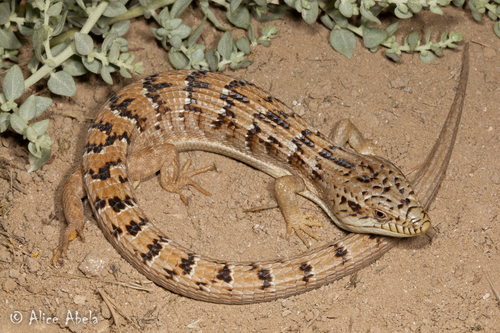
California, US
Hier kann man sehen Southern Alligator Lizard, Grasses und Catchweed Bedstraw.
Führer anzeigen →