






Eastern Giant Swallowtail
Heraclides cresphontes
The Eastern Giant Swallowtail is a beautiful butterfly with large yellow and black wings. It flutters gracefully in gardens and fields, making it a delightful sight for everyone!
Lebensraum: Urban areas
The Eastern Giant Swallowtail is a large black butterfly with bright yellow spots arranged in diagonal bands across its wings. Its hindwings have striking blue spots near the tails and distinct orange eye-spots. This pattern makes it visually distinct from smaller, less vibrantly marked swallowtails.
Kategorie
InsektenSeltenheit
Common
Gefahr
1/5 · Sehr gering
Snaps
Mach den ersten Snap!
Adult butterflies can taste with their feet to find the best flowers for nectar!
Giant Swallowtails can migrate short distances, sometimes flying hundreds of miles!
Its caterpillars love to eat citrus leaves, making them garden pests!
Male swallowtails patrol high in trees looking for mates before swooping down!
Eastern Giant Swallowtail caterpillars can mimic bird droppings because of their mottled brown, white, and black coloration that helps them avoid predators.
Eastern Giant Swallowtail caterpillars have an osmeterium, a retractable orange Y-shaped gland, that helps them spray a foul-smelling chemical to deter attackers.
The Eastern Giant Swallowtail has a long proboscis, a straw-like tongue, that helps them reach deep nectar in flowers for energy.
Caterpillars munch on leaves, while adults sip sweet nectar from flowers for energy!
Altersunterschiede: Larvae (caterpillars) feed on host plant leaves, while adults exclusively drink flower nectar.
Turdus migratorius
Robins prey on both caterpillars and adult butterflies.
Citrus sinensis
Caterpillars eat the leaves of this tree for food and shelter.

Asclepias syriaca
Adult butterflies visit flowers for nectar, aiding in pollination.
Polistes metricus
Wasps hunt and feed swallowtail caterpillars to their young.
Beschreibt Pflanzen, die für eine Vielzahl von bestäubenden Organismen besonders attraktiv und nützlich sind.
Farbenfroh beschreibt Organismen oder Objekte, die eine große Vielfalt an leuchtenden und deutlich erkennbaren Farben aufweisen.
Dieses Merkmal kennzeichnet Lebewesen, deren Ernährung vollständig oder hauptsächlich aus pflanzlichem Material besteht.
Tagaktive Tiere sind hauptsächlich bei Tageslicht aktiv und ruhen oder schlafen in der Regel nachts.

Riesig beschreibt Organismen oder Objekte, die deutlich größer sind als der Durchschnitt ihrer Art oder ihres Typs.

Wandertiere unternehmen saisonale Wanderungen von einer Region in eine andere, meist als Reaktion auf Klimaänderungen oder Nahrungsverfügbarkeit.

Dieses Lebensraummerkmal weist auf Arten hin, die in städtischen und vorstädtischen Umgebungen mit Menschen zusammenleben können und von Menschen geschaffene Strukturen sowie Grünflächen nutzen.

Beschreibt Organismen, die Pollen übertragen und so die Befruchtung und Fortpflanzung von Pflanzen ermöglichen.
Gefahr
1/5 · Sehr gering
It's best to watch butterflies from a distance so they don't get scared.
100-160 mm
30-40 mm
10-20 Tage
20 km/h
Caterpillars munch on leaves, while adults sip sweet nectar from flowers for energy!
Urban areas
Foraging
6
Zoome hinein, um Cluster aufzulösen und zu sehen, wo dieses Objekt fotografiert wurde.
Neueste Snaps erscheinen hier, wenn neue Beobachtungen hinzukommen.

Minnesota, US
Hier kann man sehen Rue Anemone, Eastern Skunk Cabbage und Bloodroot.
Führer anzeigen →
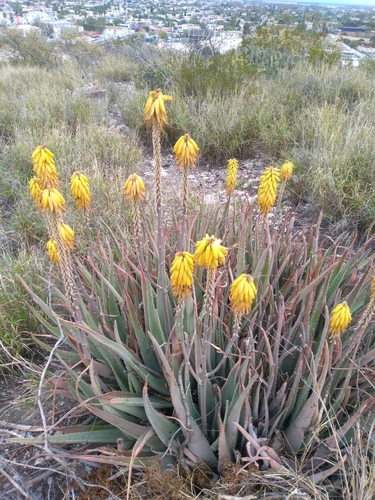
Florida, US
Hier kann man sehen Aloe Vera, Taiwanese Rain Tree und Spineless Yucca.
Führer anzeigen →

Ontario, CA
Hier kann man sehen Rauchschwalbe und Northern Yellow Warbler.
Führer anzeigen →















