

Fall Webworm Moth
Hyphantria cunea
The Fall Webworm Moth is a fuzzy little insect that loves to spin big webs in trees. These webs can look like fluffy cotton candy and are home to many caterpillars that turn into beautiful moths.
Lebensraum: Forests
The Fall Webworm Moth has a fuzzy, stout white body and mostly pure white wings, though some individuals exhibit small, scattered black spots. It is visually distinct from most other white moths by its hairiness and often unblemished white appearance.
Kategorie
InsektenSeltenheit
Common
Gefahr
1/5 · Sehr gering
Snaps
Mach den ersten Snap!
Caterpillars of this moth can be either black-headed or red-headed, but they are both the same species!
Even though their caterpillars make enormous webs, the adult moths themselves only live for about 5-10 days.
Female Fall Webworm Moths can lay over 500 tiny eggs at once, all tucked neatly under a leaf.
The huge webs they build can completely cover tree branches, looking like spooky ghost costumes in the fall!
Fall Webworm Moth caterpillars can spin enormous communal silk webs that protect them from predators and the weather as they feed.
Fall Webworm Moth caterpillars can eat leaves from over 100 different kinds of trees, making them adaptable to many habitats.
Fall Webworm Moths can complete two or more life cycles in a single warm season, helping their populations grow quickly.
As caterpillars, they munch on leaves from many different kinds of trees!
Altersunterschiede: Adult moths typically do not feed or only sip nectar; all the extensive eating happens in the caterpillar stage.
Prunus serotina
Their caterpillars munch on these leaves.
_1_(24790682337).jpg&width=800)
Carya illinoinensis
A favorite food source for the web-building caterpillars.
Cyanocitta cristata
Birds often feed on the caterpillars, despite the web protection.
Cotesia congregata
Lays eggs inside the caterpillars, which then develop inside them.
Pelzig beschreibt Tiere, die eine dichte Schicht aus weichen Haaren oder Fell besitzen.
Soziale Tiere leben in organisierten Gruppen und kooperieren, um ihr Überleben zu sichern, beispielsweise bei der Nahrungssuche, Verteidigung und Aufzucht der Jungen.
Dieses Merkmal kennzeichnet Organismen, die kunstvolle Seidennetze bauen, um Beute zu fangen, Schutz zu finden oder sich fortzupflanzen.
Dieses Merkmal kennzeichnet Lebewesen, deren Ernährung vollständig oder hauptsächlich aus pflanzlichem Material besteht.

Waldlebensräume sind terrestrische Lebensräume, die von dichtem Baumbestand dominiert werden und eine große Vielfalt an Pflanzen- und Tierarten beherbergen.

Tagaktive Tiere sind hauptsächlich bei Tageslicht aktiv und ruhen oder schlafen in der Regel nachts.

Beschreibt Organismen, die Pollen übertragen und so die Befruchtung und Fortpflanzung von Pflanzen ermöglichen.
Noch keine Alternativnamen vorhanden.
Gefahr
1/5 · Sehr gering
It's best to look at the webs from a distance and not touch them.
25-40 mm
10-15 mm
5-10 Tage
As caterpillars, they munch on leaves from many different kinds of trees!
Forests
Foraging
6
800
Zoome hinein, um Cluster aufzulösen und zu sehen, wo dieses Objekt fotografiert wurde.
Neueste Snaps erscheinen hier, wenn neue Beobachtungen hinzukommen.
New York, US
Hier kann man sehen Höckerschwan, Ente und Haussperling.
Führer anzeigen →
British Columbia, CA
Hier kann man sehen Schaf, Leather Star und Ochre Sea Star.
Führer anzeigen →
British Columbia, CA
Hier kann man sehen Western Toad, Ghost Pipe und Pacific Coralroot.
Führer anzeigen →
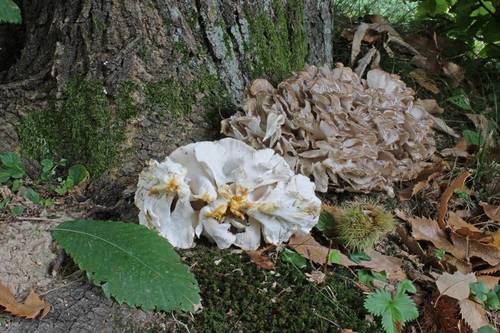
Virginia, US
Hier kann man sehen Gemeiner Klapperschwamm und Weiß-Eiche.
Führer anzeigen →
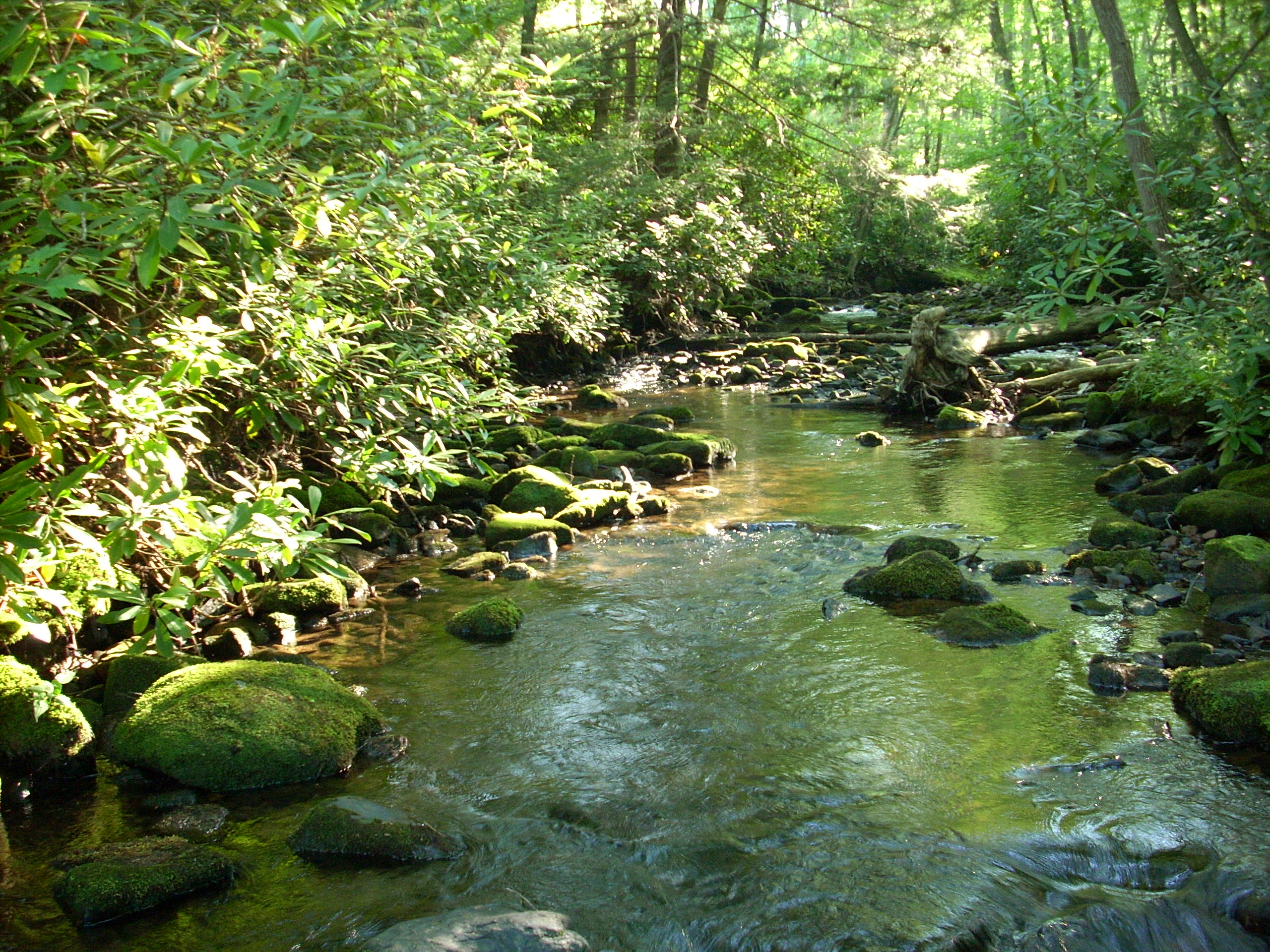
Pennsylvania, US
Hier kann man sehen Sweet Birch, Weiß-Eiche und Scarlet Oak.
Führer anzeigen →
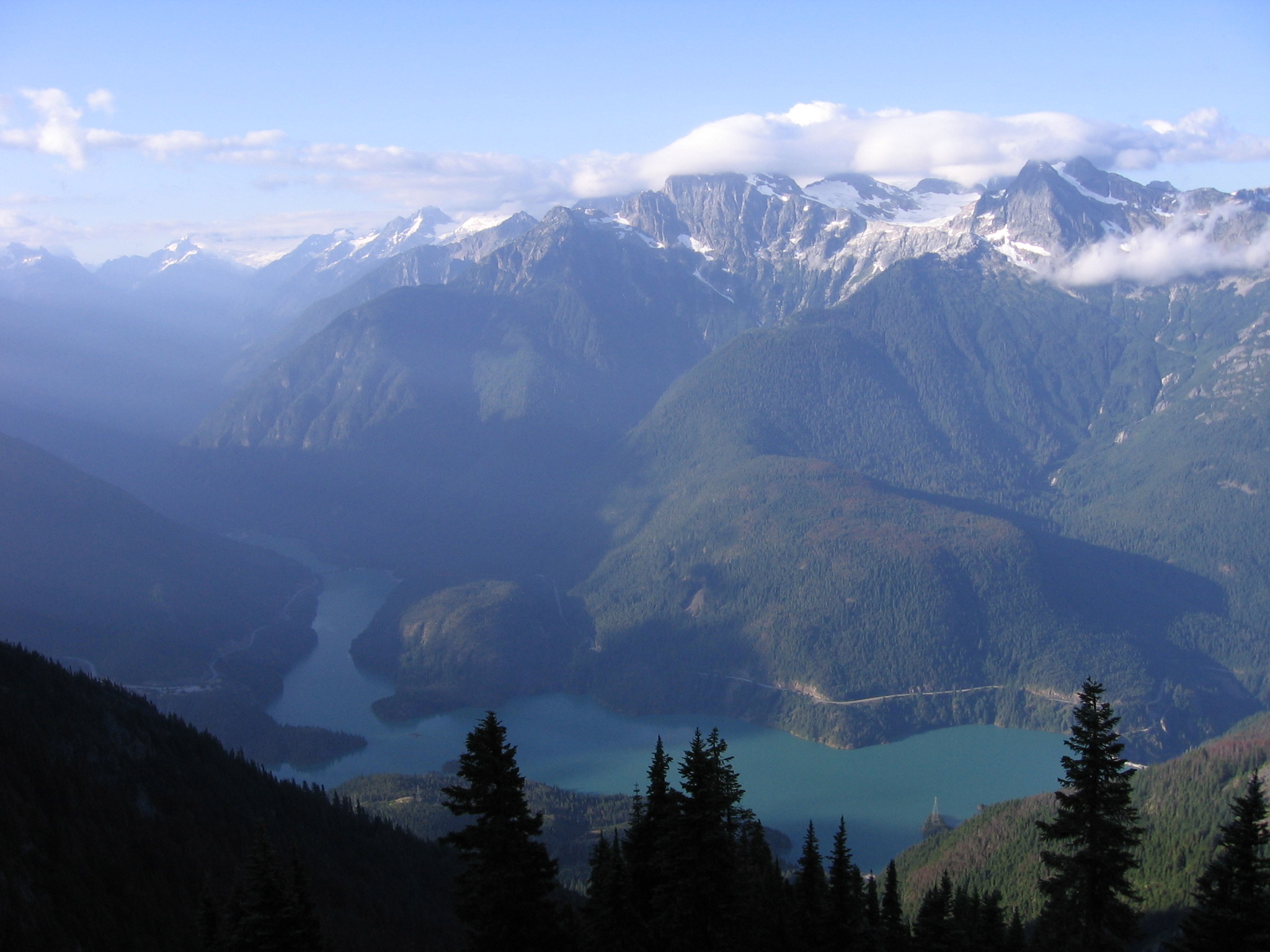
Washington, US
Hier kann man sehen Cascade Oregon-Grape, Douglasie und Salal.
Führer anzeigen →