Goblet Waxcap
hygrocybe cantharellus
The Goblet Waxcap is a colorful mushroom that looks like a tiny goblet! It loves to grow in grassy places and can be found in many forests.
Lebensraum: They live in grassy areas and forests across Europe and North America.
The Goblet Waxcap has a vibrant orange to yellow, often funnel-shaped cap with a smooth, moist surface. Its widely spaced gills are the same bright color as the cap, making it visually distinct from duller forest fungi.
Kategorie
PilzeSeltenheit
Common
Gefahr
1/5 · Sehr gering
Snaps
Mach den ersten Snap!
Goblet Waxcaps sometimes have a ruffled cap edge, like a tiny skirt!
It belongs to a family of fungi known for their amazing, vivid colors.
Its scientific name, *cantharellus*, means "little chanterelle"!
This mushroom often grows scattered on lawns and mossy spots.
Goblet Waxcap can break down dead organic matter because of specialized enzymes that help them return nutrients to the soil.
Goblet Waxcap has strikingly bright colors that help them attract insects and other small creatures for spore dispersal.
Goblet Waxcap has a waxy or greasy surface that helps them resist drying out in their open, grassy habitats.
Quercus alba
Decomposes dead leaves and woody debris from these trees.
Acer rubrum
Feeds on decaying leaf litter and small organic fragments.

Arion ater
Slugs and snails are known to graze on various fungi, including waxcaps.
Einzelgänger leben den größten Teil ihres Lebens allein und interagieren mit Artgenossen nur zur Paarung oder zur Aufzucht der Jungen.
Farbenfroh beschreibt Organismen oder Objekte, die eine große Vielfalt an leuchtenden und deutlich erkennbaren Farben aufweisen.
Waldlebensräume sind terrestrische Lebensräume, die von dichtem Baumbestand dominiert werden und eine große Vielfalt an Pflanzen- und Tierarten beherbergen.
Beschreibt Organismen, die totes organisches Material abbauen und Nährstoffe in das Ökosystem zurückführen.
Gefahr
1/5 · Sehr gering
Always ask an adult before touching or picking mushrooms.
2-6 cm
edible
0.5-3 cm
They live in grassy areas and forests across Europe and North America.
soil
Late summer to fall
White
Zoome hinein, um Cluster aufzulösen und zu sehen, wo dieses Objekt fotografiert wurde.
Neueste Snaps erscheinen hier, wenn neue Beobachtungen hinzukommen.

Michigan, US
Hier kann man sehen Large Maple Spanworm Moth und Truthuhn.
Führer anzeigen →
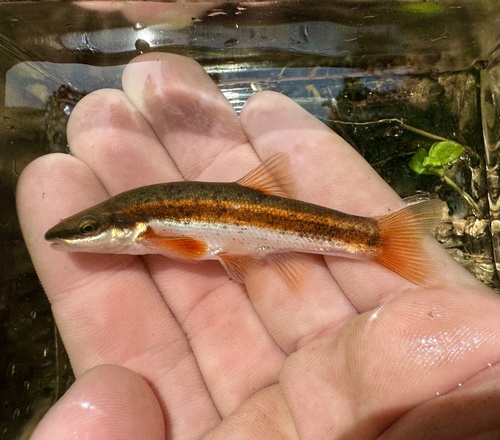
Virginia, US
Hier kann man sehen Eastern Blacknose Dace und Common Jewelweed.
Führer anzeigen →
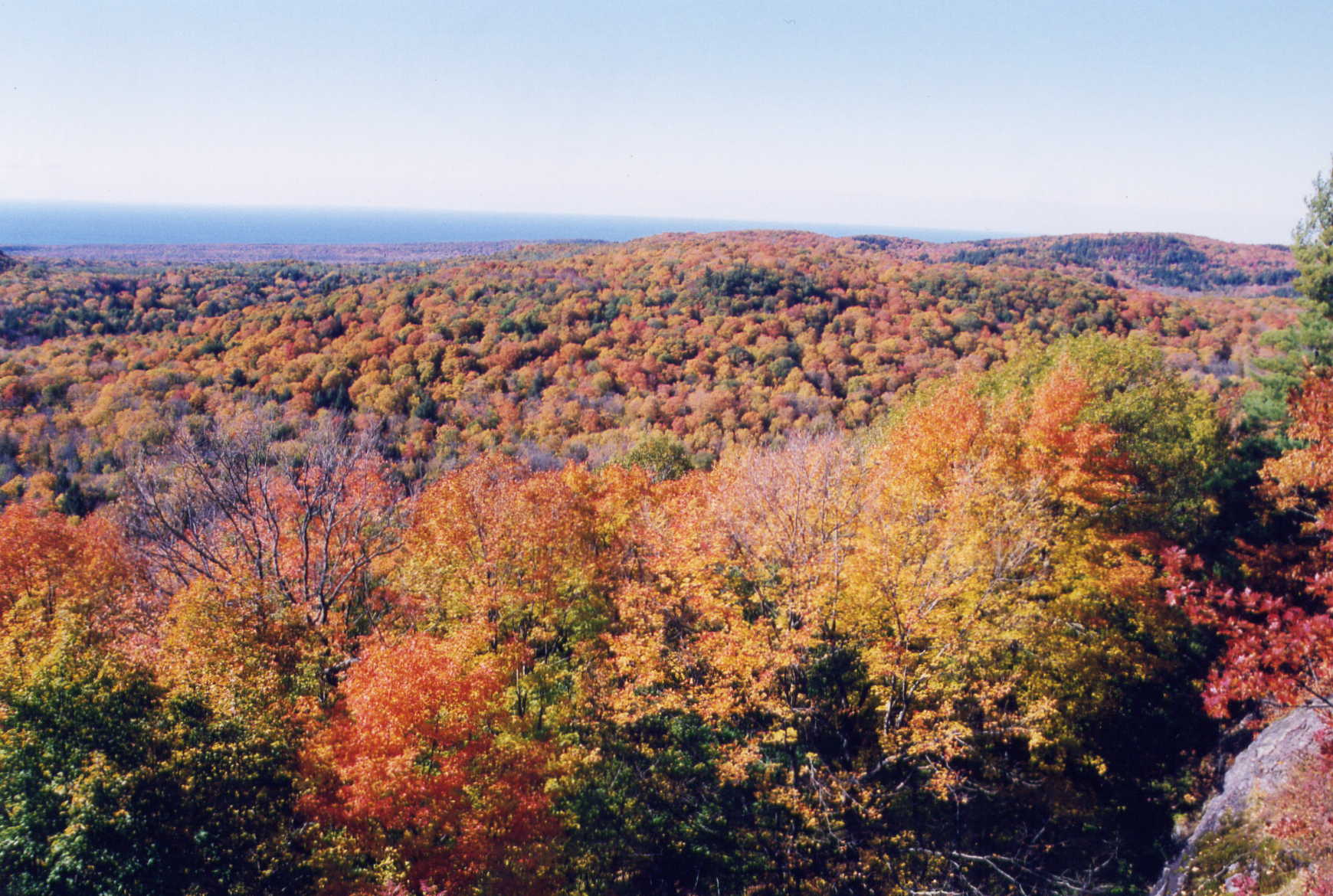
Michigan, US
Hier kann man sehen Tree Lungwort, Shining Firmoss und Amerikanische Kröte.
Führer anzeigen →
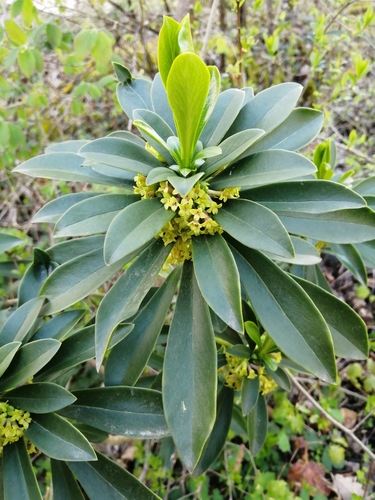
British Columbia, CA
Hier kann man sehen Spurge-Laurel, Mauereidechse und Western Skunk Cabbage.
Führer anzeigen →