Golden-rod Pug
Eupithecia virgaureata
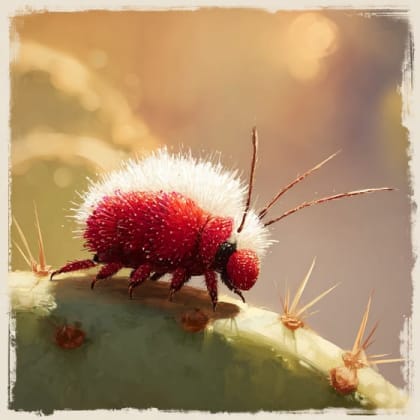
The Golden-rod Pug is a small, colorful moth that loves to hide among plants. Its beautiful golden color helps it blend in with flowers and grasses, making it a special little friend in nature.
Lebensraum: Grasslands
The Golden-rod Pug has pale brown to reddish-brown wings with a dark central spot on each forewing. Its wings often display faint wavy lines and sometimes a purplish tint, helping it blend with its plant surroundings. The fringes of its wings appear checkered.
Kategorie
InsektenSeltenheit
Common
Gefahr
1/5 · Sehr gering
Snaps
Mach den ersten Snap!
Golden-rod Pug moths are part of the 'geometer' family, meaning 'earth-measurers'!
Its caterpillars are little eating machines, munching flowers and seeds!
Sometimes these moths have a lovely reddish or purplish blush on their wings!
This moth gets its name because its caterpillars love goldenrod plants.
Golden-rod Pug can disappear on plants because its mottled wings perfectly match bark and leaves, helping them hide from predators.
Golden-rod Pug has excellent night vision that helps them find flowers and mates in the dark.
Golden-rod Pug can send invisible scent signals because males release pheromones to attract females for mating.
Caterpillars munch on flowers and seeds, while adult moths sip nectar for energy.
Altersunterschiede: Yes, caterpillars eat plant parts, while adults consume nectar.

Solidago virgaurea
Caterpillars feed on flowers and seeds.
Campanula rotundifolia
Larvae also feed on its flowers and developing seeds.
Myotis myotis
Nocturnal bats hunt these moths at night.
Cyanistes caeruleus
Birds like blue tits eat caterpillars and moths.
Vespula vulgaris
Wasps can prey on caterpillars.
Einzelgänger leben den größten Teil ihres Lebens allein und interagieren mit Artgenossen nur zur Paarung oder zur Aufzucht der Jungen.
Beschreibt Pflanzen, die für eine Vielzahl von bestäubenden Organismen besonders attraktiv und nützlich sind.
Farbenfroh beschreibt Organismen oder Objekte, die eine große Vielfalt an leuchtenden und deutlich erkennbaren Farben aufweisen.
Getarnt beschreibt Organismen, die über eine Färbung oder Musterung verfügen, durch die sie mit ihrer Umgebung verschmelzen.

Grasland-Lebensräume sind terrestrische Biome, die von Gräsern und krautigen Pflanzen dominiert werden und einer Vielzahl von Weidetieren als Lebensraum dienen.

Dieses Merkmal kennzeichnet Lebewesen, deren Ernährung vollständig oder hauptsächlich aus pflanzlichem Material besteht.

Nachtaktive Tiere sind hauptsächlich in den Nachtstunden aktiv und ruhen oder schlafen normalerweise tagsüber.

Beschreibt Organismen, die Pollen übertragen und so die Befruchtung und Fortpflanzung von Pflanzen ermöglichen.
Noch keine Alternativnamen vorhanden.
Gefahr
1/5 · Sehr gering
Always watch insects from a distance and don't touch them, as some can be delicate.
18-21 mm
7-10 mm
7-14 Tage
Caterpillars munch on flowers and seeds, while adult moths sip nectar for energy.
Grasslands
Foraging
6
Zoome hinein, um Cluster aufzulösen und zu sehen, wo dieses Objekt fotografiert wurde.
Neueste Snaps erscheinen hier, wenn neue Beobachtungen hinzukommen.







.jpg&width=800)