






Gray Ratsnake
Pantherophis spiloides
The Gray Ratsnake is a long, slender snake that can be gray or black with beautiful patterns. They are great climbers and often found in trees, making them fun to spot in nature!
Lebensraum: Forests
The Gray Ratsnake is a long, slender snake typically gray, olive, or brown with darker blotches or stripes down its back. Its chin and throat are usually white, contrasting with its darker body. Some adults in the northern parts of its range can appear almost entirely black.
Kategorie
ReptilienSeltenheit
Common
Gefahr
1/5 · Sehr gering
Snaps
Mach den ersten Snap!
Some young Gray Ratsnakes look strikingly different, appearing blotched before turning mostly gray!
These clever snakes can hunt prey in total darkness using their excellent sense of smell!
They are expert "egg thieves," often raiding bird nests high in trees for a tasty meal!
When scared, they might form a strange kinked posture, looking just like a stick!
Gray Ratsnake can climb tall trees with ease because of its strong, keeled scales that provide excellent grip on rough bark.
Gray Ratsnake can squeeze its prey tightly because of its powerful muscular body that helps them overpower and swallow meals whole.
Gray Ratsnake can mimic a rattlesnake's sound by rapidly vibrating its tail when threatened, which helps them scare away predators.
Gray Ratsnake has subtle patterns and coloration that helps them blend into trees and rocky areas, making it hard to spot.
These powerful constrictors eat warm-blooded creatures and even eggs!
Altersunterschiede: Young snakes often eat small lizards and frogs, while adults primarily prefer rodents and birds.

Peromyscus leucopus
A primary food source, common in their forest habitat.
Sciurus carolinensis
Preys on both adults and young squirrels in trees.
Buteo jamaicensis
Younger snakes are sometimes prey for large birds of prey.
Corvus brachyrhynchos
Crows sometimes attack and eat juvenile snakes.
Mit Flecken oder farblich abgesetzten Bereichen gezeichnet.
Baumbewohnende Tiere leben hauptsächlich in Bäumen und nutzen diese als Unterschlupf, Nahrungsquelle und zum Schutz vor Raubtieren.
Getarnt beschreibt Organismen, die über eine Färbung oder Musterung verfügen, durch die sie mit ihrer Umgebung verschmelzen.
Waldlebensräume sind terrestrische Lebensräume, die von dichtem Baumbestand dominiert werden und eine große Vielfalt an Pflanzen- und Tierarten beherbergen.

Dieses Merkmal kennzeichnet Organismen, deren Ernährung vollständig oder hauptsächlich aus tierischem Gewebe besteht.

Tagaktive Tiere sind hauptsächlich bei Tageslicht aktiv und ruhen oder schlafen in der Regel nachts.
Gefahr
1/5 · Sehr gering
If you see a snake, it's best to watch from a distance and not touch it.
100-200 cm
0.5-2.5 kg
10-15 Jahre
8 km/h
These powerful constrictors eat warm-blooded creatures and even eggs!
Forests
Ambush
6-30
Zoome hinein, um Cluster aufzulösen und zu sehen, wo dieses Objekt fotografiert wurde.
Neueste Snaps erscheinen hier, wenn neue Beobachtungen hinzukommen.
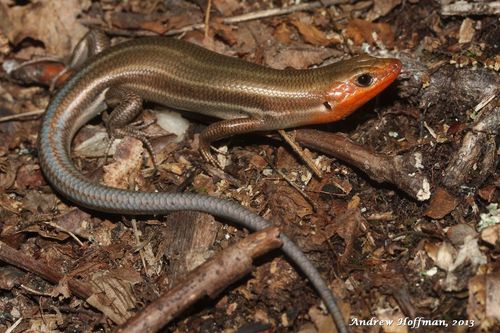
Virginia, US
Hier kann man sehen Common Five-Lined Skink und östliche Dosenschildkröte.
Führer anzeigen →

Pennsylvania, US
Hier kann man sehen Weißwedelhirsch und Mile-A-Minute Weed.
Führer anzeigen →
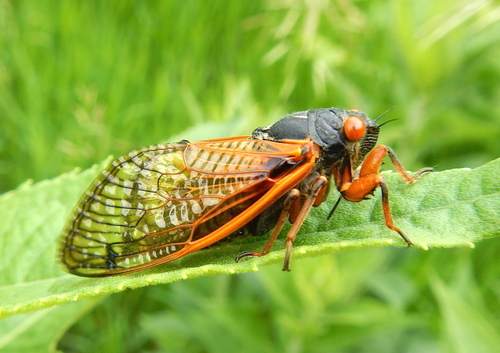
Ohio, US
Hier kann man sehen Cassin's 17-Year Cicada, Pharaoh Cicada und Leafcup.
Führer anzeigen →

Virginia, US
Hier kann man sehen Autumn Olive, Japanese Barberry und Virginia Bluebells.
Führer anzeigen →
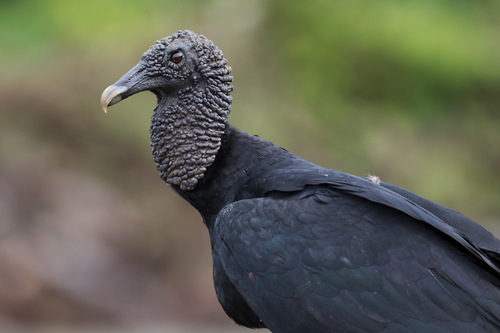
Florida, US
Hier kann man sehen Rabengeier, Mississippi-Alligator und Grüner Leguan.
Führer anzeigen →
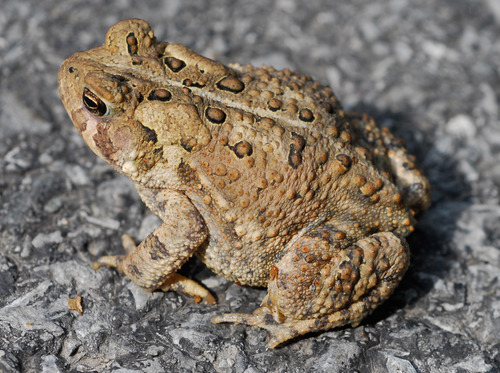
Virginia, US
Hier kann man sehen Amerikanische Kröte und östliche Dosenschildkröte.
Führer anzeigen →







.jpg&width=800)






