Greater Yellowlegs
Tringa melanoleuca
The Greater Yellowlegs is a tall, wading bird with long legs and a long bill. They are known for their beautiful yellow legs and can often be seen near water, searching for food.
Lebensraum: Wetlands
The Greater Yellowlegs is a medium-sized shorebird with very long, bright yellow legs and a slender, slightly upturned dark bill. Its upperparts are streaky gray-brown, contrasting with its clean white belly. This makes its striking legs stand out from other shorebirds.
Kategorie
VögelSeltenheit
Common
Gefahr
1/5 · Sehr gering
Snaps
Mach den ersten Snap!
Baby yellowlegs can leave the nest and find food just one day old!
Sometimes they wade so deep their whole head goes underwater!
Their flexible bill tip helps them find worms underground!
They migrate further than almost any other shorebird!
Greater Yellowlegs can detect hidden prey by probing mud, thanks to sensitive nerve endings in their bill tip.
Greater Yellowlegs has super long yellow legs that help them wade into deeper water to catch food.
Greater Yellowlegs has powerful wings that help them fly thousands of miles during incredible migrations.
They mostly eat small fish, aquatic insects, and tiny crustaceans caught in shallow waters.
Falco peregrinus
A swift predator that hunts shorebirds during migration.
Mustela vison
May prey on eggs and chicks in nesting areas.
Larus argentatus
Opportunistic predator of eggs and chicks.
Gefiedert beschreibt Tiere, hauptsächlich Vögel, die ein Federkleid besitzen.
Dieses Merkmal kennzeichnet Organismen, deren Nahrung hauptsächlich aus Insekten und anderen kleinen Wirbellosen besteht.
Dieses Lebensraummerkmal kennzeichnet Arten, die in Feuchtgebieten vorkommen. Dies sind Landflächen, die dauerhaft oder saisonal mit Wasser gesättigt sind, darunter Marschland, Sümpfe und Moore.
Dieses Merkmal kennzeichnet Organismen, deren Ernährung vollständig oder hauptsächlich aus tierischem Gewebe besteht.

Dieses Merkmal kennzeichnet Lebewesen, die bei der Jagd, Flucht oder Fortbewegung eine außergewöhnliche Schnelligkeit aufweisen.

Tagaktive Tiere sind hauptsächlich bei Tageslicht aktiv und ruhen oder schlafen in der Regel nachts.

Wandertiere unternehmen saisonale Wanderungen von einer Region in eine andere, meist als Reaktion auf Klimaänderungen oder Nahrungsverfügbarkeit.
Noch keine Alternativnamen vorhanden.
Gefahr
1/5 · Sehr gering
Always watch birds from a distance and be quiet so you don't scare them away.
29-40 cm
66-76 cm
0.12-0.22 kg
5-15 Jahre
60 km/h
They mostly eat small fish, aquatic insects, and tiny crustaceans caught in shallow waters.
Wetlands
Foraging
Zoome hinein, um Cluster aufzulösen und zu sehen, wo dieses Objekt fotografiert wurde.
Neueste Snaps erscheinen hier, wenn neue Beobachtungen hinzukommen.
.jpg)
California, US
Hier kann man sehen Long-Billed Curlew, Snowy Plover und Sanderling.
Führer anzeigen →

New York, US
Hier kann man sehen Spotted Lanternfly und östliches Grauhörnchen.
Führer anzeigen →

British Columbia, CA
Hier kann man sehen Greater Yellowlegs, Glaucous-Winged Gull und Rotbuche.
Führer anzeigen →
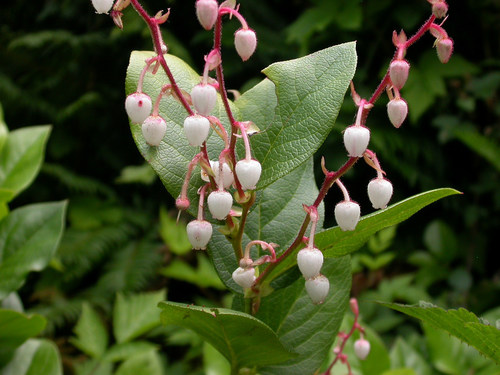
British Columbia, CA
Hier kann man sehen Salal, Small Ground-Cone und Evergreen Huckleberry.
Führer anzeigen →