Hairy Hexagonia
hexagonia hydnoides
The Hairy Hexagonia is a fuzzy little creature that loves to explore its forest home. With its soft fur and playful nature, it brings joy to all who encounter it!
Lebensraum: Forests and wooded areas
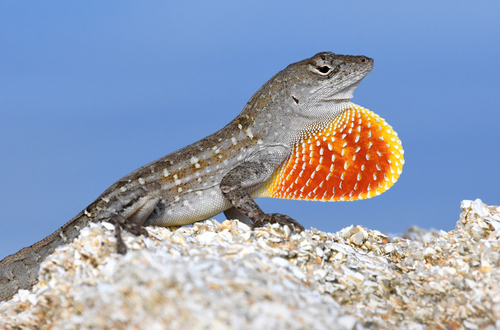
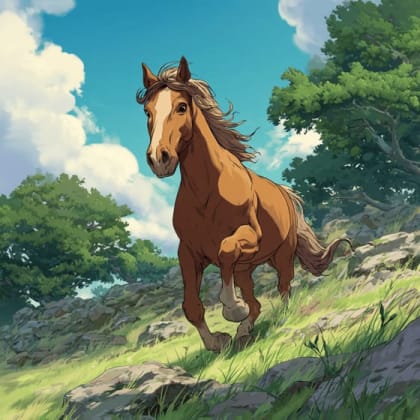
The Hairy Hexagonia is a medium-sized mammal covered in dense, reddish-brown fur with faint, darker hexagonal patterns on its back. It has large, expressive dark eyes and prominent, tufted ears often tipped with black. Its sturdy tail is bushy.
Kategorie
SäugetiereSeltenheit
Common
Gefahr
1/5 · Sehr gering
Snaps
Mach den ersten Snap!
Baby Hexagonias are called 'hexlings' and are born with tiny, undeveloped patterns.
Its thick fur changes color slightly with the seasons to improve camouflage!
They build intricate burrows with multiple hidden exits to escape predators.
When startled, it can roll into a tight, furry ball to protect its soft belly.
Hairy Hexagonia can scale slippery rocks and tree bark with ease because of its unique, rough paw pads.
Hairy Hexagonia has hexagonal fur patterns that help them blend seamlessly into dappled forest light and rocky terrain.
Hairy Hexagonia can navigate dense undergrowth and find food in the dark because of its extra-long, sensitive whiskers.
An opportunistic eater, it enjoys a varied diet of plants, insects, and small creatures.
Bubo bubo
A primary aerial predator.
Carabus nemoralis
A common insect prey item.
.jpg&width=800)
Rubus idaeus
Provides essential seasonal fruit.
Fagus sylvatica
Offers shelter and fallen nuts.
Pelzig beschreibt Tiere, die eine dichte Schicht aus weichen Haaren oder Fell besitzen.
Soziale Tiere leben in organisierten Gruppen und kooperieren, um ihr Überleben zu sichern, beispielsweise bei der Nahrungssuche, Verteidigung und Aufzucht der Jungen.
Dieses Merkmal kennzeichnet Lebewesen, deren Ernährung vollständig oder hauptsächlich aus pflanzlichem Material besteht.
Waldlebensräume sind terrestrische Lebensräume, die von dichtem Baumbestand dominiert werden und eine große Vielfalt an Pflanzen- und Tierarten beherbergen.

Nachtaktive Tiere sind hauptsächlich in den Nachtstunden aktiv und ruhen oder schlafen normalerweise tagsüber.
Gefahr
1/5 · Sehr gering
Always observe from a distance and do not disturb their habitat.
35-55 cm
2.5-4.5 kg
6-10 Jahre
20 km/h
An opportunistic eater, it enjoys a varied diet of plants, insects, and small creatures.
Forests and wooded areas
Foraging
2-4
Zoome hinein, um Cluster aufzulösen und zu sehen, wo dieses Objekt fotografiert wurde.
Neueste Snaps erscheinen hier, wenn neue Beobachtungen hinzukommen.