






Haploa
haploa
The Haploa is a colorful caterpillar that can be found on various plants. Kids will love to watch it munching leaves and getting ready to become a beautiful moth!
Lebensraum: Haploa caterpillars live in gardens, forests, and grassy areas, munching on leaves.
The Haploa has strikingly patterned wings, typically featuring bold black, brown, or orange markings against a contrasting white, cream, or yellow background. These distinct, often intricate patterns are unique to different species within the genus, making them visually different from solid-colored moths.
Kategorie
InsektenSeltenheit
Common
Gefahr
1/5 · Sehr gering
Snaps
Mach den ersten Snap!
Haploa caterpillars sometimes curl up and play dead when scared!
Many adult Haploa moths have mouthparts too small to eat anything!
Some Haploa caterpillars can eat plants that are toxic to other animals!
Their bold wing patterns warn birds and bats to stay far away.
Haploa has 'Warning Colors' because their bright wing patterns tell predators they taste bad, discouraging attacks.
Haploa can absorb plant toxins because their caterpillars eat poisonous plants, making them unappetizing to predators.
Haploa has 'Winter Survival' because their caterpillars can overwinter, surviving cold temperatures until spring.
Haploa caterpillars munch on plant leaves, but adult moths usually don't eat anything at all!
Altersunterschiede: Larvae are herbivorous, feeding on various plant leaves, while adult moths typically have vestigial mouthparts and do not feed.

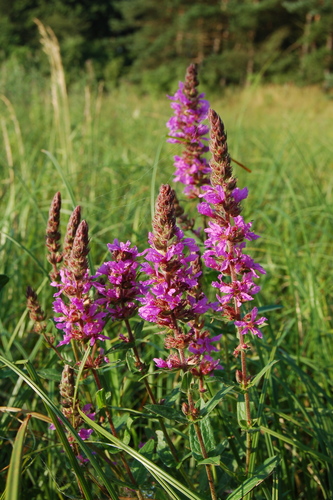
Eupatorium maculatum
Larvae feed on leaves.
Prunus serotina
Caterpillars consume foliage.
Cyanocitta cristata
Birds may prey on moths.
Myotis lucifugus
Bats hunt adult moths.
Einzelgänger leben den größten Teil ihres Lebens allein und interagieren mit Artgenossen nur zur Paarung oder zur Aufzucht der Jungen.
Farbenfroh beschreibt Organismen oder Objekte, die eine große Vielfalt an leuchtenden und deutlich erkennbaren Farben aufweisen.
Dieses Merkmal kennzeichnet Lebewesen, deren Ernährung vollständig oder hauptsächlich aus pflanzlichem Material besteht.
Waldlebensräume sind terrestrische Lebensräume, die von dichtem Baumbestand dominiert werden und eine große Vielfalt an Pflanzen- und Tierarten beherbergen.

Tagaktive Tiere sind hauptsächlich bei Tageslicht aktiv und ruhen oder schlafen in der Regel nachts.
Gefahr
1/5 · Sehr gering
Noch keine besonderen Sicherheitshinweise.
35-55 mm
25-40 mm
7-14 Tage
Haploa caterpillars munch on plant leaves, but adult moths usually don't eat anything at all!
Haploa caterpillars live in gardens, forests, and grassy areas, munching on leaves.
Foraging
6
Zoome hinein, um Cluster aufzulösen und zu sehen, wo dieses Objekt fotografiert wurde.
Neueste Snaps erscheinen hier, wenn neue Beobachtungen hinzukommen.




_Thyatira_batis_-_Kunstat_Czech_Republic_-_male.jpg&width=800)








.jpg&width=800)