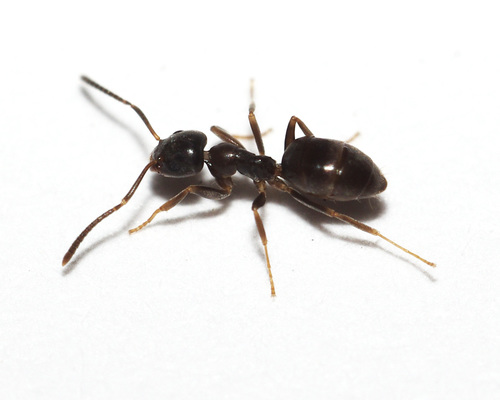
Willow Leaf Beetle
Plagiodera versicolora
The Willow Leaf Beetle is a small, shiny beetle that loves to munch on willow leaves. They are bright green and can often be found in gardens and parks where willows grow.
Lebensraum: Wetlands
The Willow Leaf Beetle is a small, oval-shaped insect, typically 4-6mm long, with a striking iridescent metallic blue-green or bronze sheen. Its glossy, dome-shaped wing covers truly make it sparkle among the green leaves, differentiating it from duller leaf beetles.
Kategorie
InsektenSeltenheit
Common
Gefahr
1/5 · Sehr gering
Snaps
Mach den ersten Snap!
Adult beetles hibernate in winter, hiding in soil or under leaf litter to stay safe!
Female beetles lay hundreds of tiny yellow eggs on the underside of willow leaves!
These beetles can skeletonize leaves, leaving only veins behind like delicate lace patterns!
Young willow leaf beetles are called larvae, and they look completely different from the adults!
Willow Leaf Beetle can release a stinky chemical because of special glands, which helps them warn off predators.
Willow Leaf Beetle has strong mandibles that help them chew through tough willow leaves as both larvae and adults.
Willow Leaf Beetle can fly quickly away from danger because of its functional wings, helping it escape predators fast.
Willow Leaf Beetle has a speedy life cycle that helps them lay many eggs quickly, ensuring more beetles hatch.
These hungry beetles munch exclusively on willow leaves, both as larvae and adults.
Salix alba
Feeds on the leaves of this common willow tree.
%2C_Parc_de_Woluw%C3%A9%2C_Brussels_(13042792905).jpg&width=800)
Parus major
A tasty snack for this common European bird.
Araneus diadematus
Often caught in the webs of these orb-weaving spiders.
Tetrastichus julis
Wasp larvae develop inside willow leaf beetle larvae.
Einzelgänger leben den größten Teil ihres Lebens allein und interagieren mit Artgenossen nur zur Paarung oder zur Aufzucht der Jungen.
Getarnt beschreibt Organismen, die über eine Färbung oder Musterung verfügen, durch die sie mit ihrer Umgebung verschmelzen.
Dieses Merkmal kennzeichnet Lebewesen, deren Ernährung vollständig oder hauptsächlich aus pflanzlichem Material besteht.
Dieses Lebensraummerkmal kennzeichnet Arten, die in Feuchtgebieten vorkommen. Dies sind Landflächen, die dauerhaft oder saisonal mit Wasser gesättigt sind, darunter Marschland, Sümpfe und Moore.

Bezieht sich auf Arten, die deutlich kleiner sind als der Durchschnitt oder das Typische ihrer Art.

Tagaktive Tiere sind hauptsächlich bei Tageslicht aktiv und ruhen oder schlafen in der Regel nachts.

Beschreibt Organismen, die Pollen übertragen und so die Befruchtung und Fortpflanzung von Pflanzen ermöglichen.
Noch keine Alternativnamen vorhanden.
Gefahr
1/5 · Sehr gering
These beetles are not harmful, but it's best to look and not touch them.
8-12 mm
4-6 mm
30-60 Tage
5 km/h
These hungry beetles munch exclusively on willow leaves, both as larvae and adults.
Wetlands
Grazing
6
Zoome hinein, um Cluster aufzulösen und zu sehen, wo dieses Objekt fotografiert wurde.
Neueste Snaps erscheinen hier, wenn neue Beobachtungen hinzukommen.