






Indigo Bunting
Passerina cyanea
The Indigo Bunting is a small, bright blue bird that sings sweet songs. They love to eat seeds and insects and can be found in open fields and forests during the summer.
Lebensraum: Open fields and forests
The Indigo Bunting has an iridescent deep blue plumage in males, appearing nearly black in shade, while females are a warm brown with faint streaking. A key visual difference is the male's vibrant, structural blue compared to the duller female.
Kategorie
VögelSeltenheit
Common
Gefahr
1/5 · Sehr gering
Snaps
Mach den ersten Snap!
Indigo Buntings can breed more than once in a single summer season!
Male Indigo Buntings learn complex new songs every year from their neighbors!
Their dazzling blue color isn't a pigment, but light scattering like a prism!
They use the stars to guide their incredible long migrations at night.
Indigo Bunting can navigate long distances using star patterns at night because of specialized magnetoreceptors that guide them.
Indigo Bunting has brilliant blue feathers that aren't pigmented but scatter light like tiny prisms, making them glow.
These tiny birds feast on many small bugs and enjoy munching on various seeds and berries.
Accipiter cooperii
This speedy hawk is a common predator of small birds like the Bunting.
.jpg&width=800)
Molothrus ater
Lays eggs in bunting nests, making the bunting raise its young.
.jpg&width=800)
Cirsium discolor
Adults feast on the abundant and nutritious seeds of this plant.
Populus tremuloides
Often nests in the saplings and shrubby undergrowth of this habitat.
Gefiedert beschreibt Tiere, hauptsächlich Vögel, die ein Federkleid besitzen.
Soziale Tiere leben in organisierten Gruppen und kooperieren, um ihr Überleben zu sichern, beispielsweise bei der Nahrungssuche, Verteidigung und Aufzucht der Jungen.
Singende Tiere erzeugen komplexe Lautäußerungen, oft um Partner anzulocken, ihr Revier zu verteidigen oder innerhalb ihrer Art zu kommunizieren.
Farbenfroh beschreibt Organismen oder Objekte, die eine große Vielfalt an leuchtenden und deutlich erkennbaren Farben aufweisen.

Grasland-Lebensräume sind terrestrische Biome, die von Gräsern und krautigen Pflanzen dominiert werden und einer Vielzahl von Weidetieren als Lebensraum dienen.

Dieses Merkmal kennzeichnet Organismen, deren Nahrung hauptsächlich aus Insekten und anderen kleinen Wirbellosen besteht.

Waldlebensräume sind terrestrische Lebensräume, die von dichtem Baumbestand dominiert werden und eine große Vielfalt an Pflanzen- und Tierarten beherbergen.

Tagaktive Tiere sind hauptsächlich bei Tageslicht aktiv und ruhen oder schlafen in der Regel nachts.

Wandertiere unternehmen saisonale Wanderungen von einer Region in eine andere, meist als Reaktion auf Klimaänderungen oder Nahrungsverfügbarkeit.
Noch keine Alternativnamen vorhanden.
Gefahr
1/5 · Sehr gering
Enjoy watching birds from a distance and be quiet so you don’t scare them away.
11.5-15 cm
20-23 cm
0.012-0.019 kg
2-4 Jahre
35 km/h
These tiny birds feast on many small bugs and enjoy munching on various seeds and berries.
Open fields and forests
Foraging
Zoome hinein, um Cluster aufzulösen und zu sehen, wo dieses Objekt fotografiert wurde.
Neueste Snaps erscheinen hier, wenn neue Beobachtungen hinzukommen.
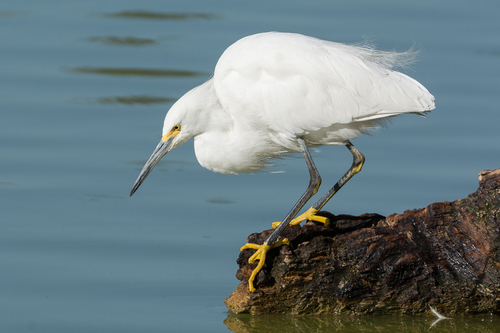
Florida, US
Hier kann man sehen Snowy Egret, Brauner Pelikan und Boat-Tailed Grackle.
Führer anzeigen →
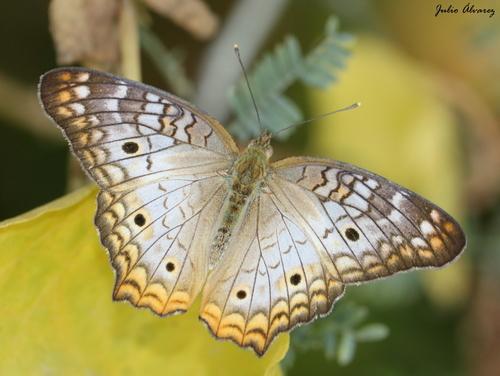
Florida, US
Hier kann man sehen White Peacock, Trailing Daisy und Kanadareiher.
Führer anzeigen →
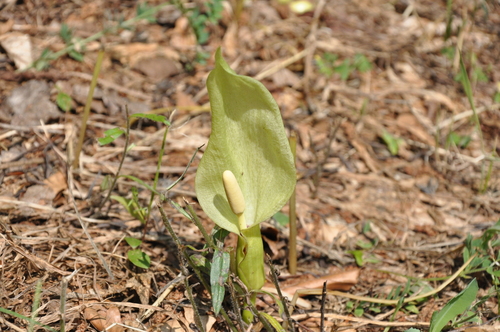
Virginia, US
Hier kann man sehen Italian Arum, Common Mugwort und Japanese Barberry.
Führer anzeigen →










