






Japanese Pagoda Tree
styphnolobium japonicum
The Japanese Pagoda Tree is known for its beautiful, fragrant flowers that bloom in the summer. Its broad leaves provide great shade for people and animals alike!
Lebensraum: It thrives in parks, gardens, and along streets in temperate regions.
The Japanese Pagoda Tree has a broad, rounded canopy of dark green, compound leaves. It produces abundant creamy-white, pea-like flowers in large drooping clusters during late summer. Its most distinctive feature is the unique necklace-like seed pods, which are constricted between each seed and persist through winter.
Kategorie
PflanzenSeltenheit
Common
Gefahr
0/5 · Keine bekannte Gefahr
Snaps
Mach den ersten Snap!
Ancient Chinese scholars often planted this tree as a symbol of wisdom!
Despite its name, this tree is actually native to China and Korea!
Its unique "necklace" pods can stay on the branches through winter!
The flowers and pods of this tree were once used to make yellow dye!
Japanese Pagoda Tree can survive dry spells because its deep roots help it find water, staying strong even when it's hot.
Japanese Pagoda Tree has tough leaves and a strong root system that help it thrive in city environments, shrugging off pollution.
Japanese Pagoda Tree can surprise you with late summer blooms, providing nectar for insects when other flowers have faded.
Apis mellifera
gathers nectar from its plentiful summer blooms.
Bombus impatiens
visits flowers for nectar, aiding pollination.
%2C_Parc_de_Woluw%C3%A9%2C_Brussels_(13042792905).jpg&width=800)
Parus major
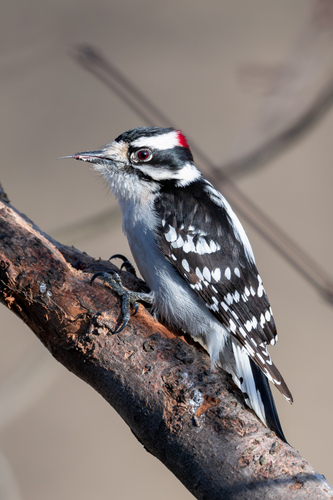
builds nests in its sturdy branches and dense canopy.
Soziale Tiere leben in organisierten Gruppen und kooperieren, um ihr Überleben zu sichern, beispielsweise bei der Nahrungssuche, Verteidigung und Aufzucht der Jungen.
Dieses Merkmal kennzeichnet Lebewesen, deren Ernährung vollständig oder hauptsächlich aus pflanzlichem Material besteht.
Waldlebensräume sind terrestrische Lebensräume, die von dichtem Baumbestand dominiert werden und eine große Vielfalt an Pflanzen- und Tierarten beherbergen.
Tagaktive Tiere sind hauptsächlich bei Tageslicht aktiv und ruhen oder schlafen in der Regel nachts.

Beschreibt Organismen, die Pollen übertragen und so die Befruchtung und Fortpflanzung von Pflanzen ermöglichen.
Gefahr
0/5 · Keine bekannte Gefahr
Noch keine besonderen Sicherheitshinweise.
1000-2500 cm
1000-2000 cm
1-2 cm
Sommer
Nein
Mäßig
Mehrjährig
Insekten
Zoome hinein, um Cluster aufzulösen und zu sehen, wo dieses Objekt fotografiert wurde.
Neueste Snaps erscheinen hier, wenn neue Beobachtungen hinzukommen.










.jpg&width=800)








