
.jpeg&width=800)





Mud Fiddler Crab
minuca pugnax
The Mud Fiddler Crab is a small, colorful crab that loves to dance in the mud! With its big claw, it waves hello to other crabs and catches yummy snacks.
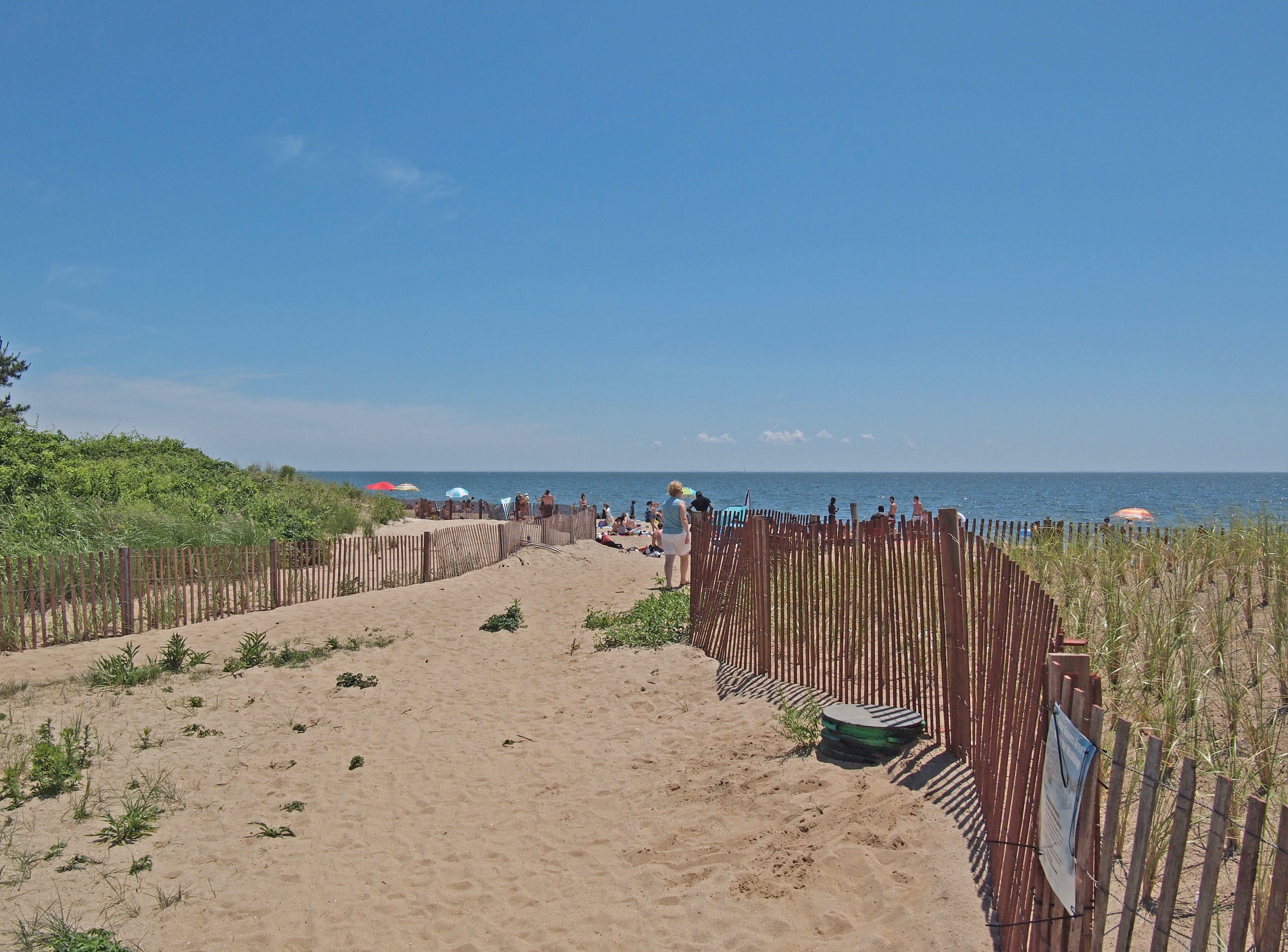
Lebensraum: They live in coastal marshes and muddy shorelines.
The Mud Fiddler Crab has a square-shaped body, typically olive-brown to dark gray, with large, stalked eyes. Males are easily identified by one oversized, brightly colored claw, much larger than the other smaller feeding claw. Its carapace can sometimes show faint patterns or spots.
Kategorie
InvertebrateSeltenheit
Common
Gefahr
1/5 · Sehr gering
Snaps
Mach den ersten Snap!
Fiddler crabs get their name because males look like they're playing a fiddle.
Hundreds of tiny male fiddler crabs can wave their giant claws all at once!
If a male loses its big claw, the other small claw grows huge to replace it!
They can "hold their breath" by trapping water in their gill chambers!
Mud Fiddler Crab can wave its enormous claw to signal to other crabs, attracting mates and warning off rivals with impressive displays.
Mud Fiddler Crab can dig intricate burrows deep into the mud, providing a safe home from predators and scorching sun.
Mud Fiddler Crab has long eyestalks that can quickly retract into grooves, protecting its vision from danger and debris.
Mud Fiddler Crab can skillfully scoop mud with its small claw, filtering out tiny bits of food with specialized mouthparts.
They are nature's tiny clean-up crew, eating microscopic bits of food from the mud.
Ardea herodias
A wading bird that preys on crabs.

Fundulus heteroclitus
A small fish found in salt marshes.
Procyon lotor
Mammals that forage for crabs at low tide.
Spartina alterniflora
Crabs live among its roots for protection.
Soziale Tiere leben in organisierten Gruppen und kooperieren, um ihr Überleben zu sichern, beispielsweise bei der Nahrungssuche, Verteidigung und Aufzucht der Jungen.
Farbenfroh beschreibt Organismen oder Objekte, die eine große Vielfalt an leuchtenden und deutlich erkennbaren Farben aufweisen.
Grabende Tiere heben Tunnel und Kammern im Erdboden aus und nutzen diese unterirdischen Strukturen als Unterschlupf, zur Jagd oder zur Fortpflanzung.
Dieses Merkmal kennzeichnet Organismen, deren Ernährung vollständig oder hauptsächlich aus tierischem Gewebe besteht.

Marine Lebensräume umfassen alle Salzwasserumgebungen der Ozeane der Erde und beherbergen eine immense Vielfalt an Wasserlebewesen.
Gefahr
1/5 · Sehr gering
Be careful near the water, and don't touch the crabs without permission!
2 cm
7 g
2 Jahre
They are nature's tiny clean-up crew, eating microscopic bits of food from the mud.
They live in coastal marshes and muddy shorelines.
Foraging
10
Zoome hinein, um Cluster aufzulösen und zu sehen, wo dieses Objekt fotografiert wurde.
Neueste Snaps erscheinen hier, wenn neue Beobachtungen hinzukommen.











-left_01.jpg&width=800)





