






North American Deer Mice
Peromyscus
North American deer mice are small, cute creatures that love to explore! They have soft fur and big eyes, making them great at finding food in the wild.
Lebensraum: Forests
The North American Deer Mouse has soft fur, typically reddish-brown or grayish-brown on its back, sharply contrasting with a pure white belly and feet. Its most distinctive feature is a bicolored tail, dark on top and white underneath, usually as long as or longer than its body, setting it apart from other small rodents.
Kategorie
SäugetiereSeltenheit
Common
Gefahr
1/5 · Sehr gering
Snaps
Mach den ersten Snap!
Amazing! Deer mice build cozy nests using soft plant materials and even feathers.
Believe it or not, these tiny mice can swim quite well to cross small streams!
Did you know their bicolored tail acts like a rudder for quick turns?
Wow! A female deer mouse can have up to 14 litters in a single year!
North American Deer Mice have large eyes and excellent night vision that helps them forage for food and avoid predators in the dark.
North American Deer Mice can jump surprisingly high and far to escape predators and navigate complex terrain.
North American Deer Mice have a long, bicolored tail that helps them balance while climbing and running.
North American Deer Mice can gather and store large amounts of seeds and nuts for winter survival.
These tiny omnivores munch on a mix of seeds, nuts, fruits, insects, and fungi.
Bubo virginianus
A major nocturnal predator in their habitat.

Pantherophis obsoletus
Predators that hunt in various environments.
Vulpes vulpes
Hunts deer mice in open fields and forests.
Pelzig beschreibt Tiere, die eine dichte Schicht aus weichen Haaren oder Fell besitzen.
Soziale Tiere leben in organisierten Gruppen und kooperieren, um ihr Überleben zu sichern, beispielsweise bei der Nahrungssuche, Verteidigung und Aufzucht der Jungen.
Dieses Merkmal kennzeichnet Organismen, deren Ernährung sowohl pflanzliche als auch tierische Bestandteile umfasst.
Baumbewohnende Tiere leben hauptsächlich in Bäumen und nutzen diese als Unterschlupf, Nahrungsquelle und zum Schutz vor Raubtieren.

Waldlebensräume sind terrestrische Lebensräume, die von dichtem Baumbestand dominiert werden und eine große Vielfalt an Pflanzen- und Tierarten beherbergen.

Dieses Merkmal kennzeichnet Lebewesen, die bei der Jagd, Flucht oder Fortbewegung eine außergewöhnliche Schnelligkeit aufweisen.

Nachtaktive Tiere sind hauptsächlich in den Nachtstunden aktiv und ruhen oder schlafen normalerweise tagsüber.
Noch keine Alternativnamen vorhanden.
Gefahr
1/5 · Sehr gering
If you see a deer mouse, it's best to watch from a distance and not try to touch it.
7-10 cm
0.01-0.03 kg
1-2 Jahre
12 km/h
These tiny omnivores munch on a mix of seeds, nuts, fruits, insects, and fungi.
Forests
Foraging
3-6
Zoome hinein, um Cluster aufzulösen und zu sehen, wo dieses Objekt fotografiert wurde.
Neueste Snaps erscheinen hier, wenn neue Beobachtungen hinzukommen.
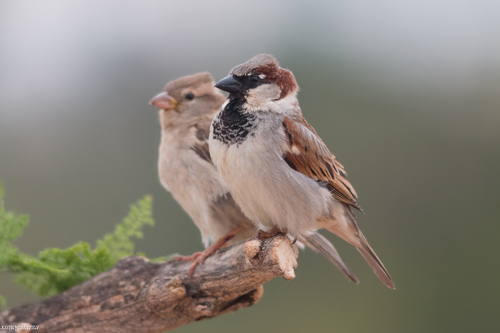
Ohio, US
Hier kann man sehen Haussperling, Amerikanische Kröte und Carolinataube.
Führer anzeigen →

Pennsylvania, US
Hier kann man sehen Hemlock Varnish Shelf, Berglorbeer und Cinnamon Fern.
Führer anzeigen →

British Columbia, CA
Hier kann man sehen Pacific Sanicle, Ivy und Pacific Madrone.
Führer anzeigen →







.jpg&width=800)





