






Northern Tamandua
Tamandua mexicana
The Northern Tamandua is a cute, tree-climbing animal that loves to eat ants and termites. With its long snout and strong claws, it can dig into nests to find tasty treats!
Lebensraum: Forests
The Northern Tamandua has a distinctive 'vest' pattern of black fur across its shoulders and back, contrasting sharply with its pale yellow or tan body. It possesses a long, pointed snout and small, rounded ears. Its largely hairless, prehensile tail helps it stand out from ground-dwelling anteaters.
Kategorie
SäugetiereSeltenheit
Common
Gefahr
2/5 · Gering
Snaps
Mach den ersten Snap!
Its black 'vest' pattern can look like a hole in a tree, helping it hide!
Northern Tamanduas don't have any teeth, using their strong stomach to grind food!
These animals can spray a stinky, musky liquid that smells worse than a skunk!
They protect their long claws by walking on the sides of their front feet!
Northern Tamandua has a powerful, naked prehensile tail that helps them grip branches while climbing and feeding.
Northern Tamandua can use its long, sharp claws to tear open tough insect nests and defend itself from predators.
Northern Tamandua has an excellent sense of smell that helps them sniff out hidden ants and termites in trees and logs.
Northern Tamandua has a long, sticky tongue that helps them quickly lap up thousands of ants and termites.
This amazing insectivore loves to feast on ants and termites found in forests.
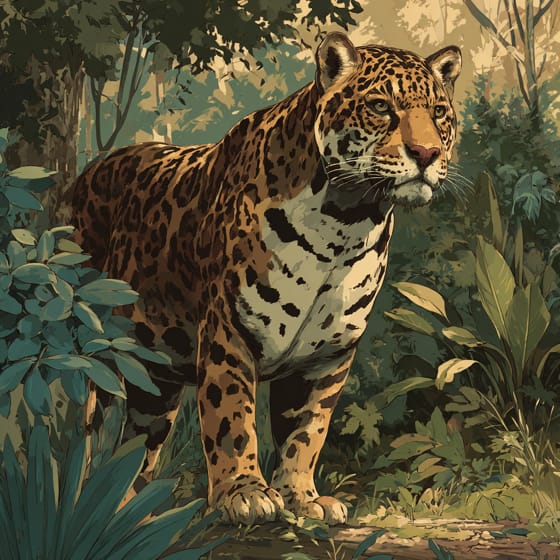
Panthera onca
Major predator of tamanduas.
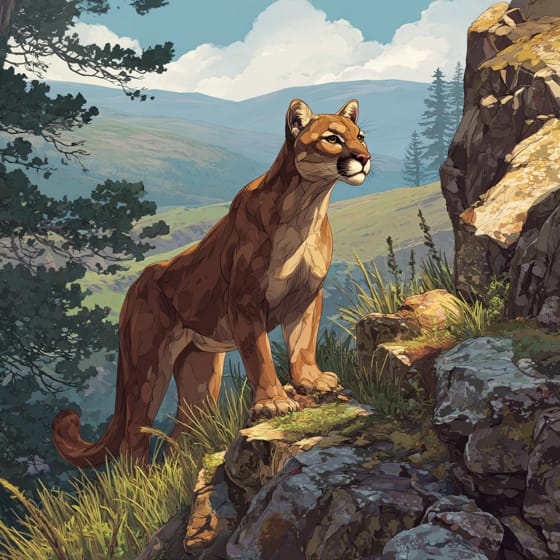
Puma concolor
Also preys on tamanduas.
Harpia harpyja
Large raptor that can prey on arboreal tamanduas.
Pelzig beschreibt Tiere, die eine dichte Schicht aus weichen Haaren oder Fell besitzen.
Einzelgänger leben den größten Teil ihres Lebens allein und interagieren mit Artgenossen nur zur Paarung oder zur Aufzucht der Jungen.
Baumbewohnende Tiere leben hauptsächlich in Bäumen und nutzen diese als Unterschlupf, Nahrungsquelle und zum Schutz vor Raubtieren.
Dieses Merkmal kennzeichnet Organismen, deren Nahrung hauptsächlich aus Insekten und anderen kleinen Wirbellosen besteht.

Waldlebensräume sind terrestrische Lebensräume, die von dichtem Baumbestand dominiert werden und eine große Vielfalt an Pflanzen- und Tierarten beherbergen.

Der Status 'Gefährdet' bedeutet, dass eine Art ohne wirksame Schutzmaßnahmen in absehbarer Zukunft vom Aussterben bedroht sein wird.

Nachtaktive Tiere sind hauptsächlich in den Nachtstunden aktiv und ruhen oder schlafen normalerweise tagsüber.
Gefahr
2/5 · Gering
Tamanduas are wild animals and should be admired from a distance. Never try to touch or feed them.
35-55 cm
3.5-8.5 kg
9-10 Jahre
10 km/h
This amazing insectivore loves to feast on ants and termites found in forests.
Forests
Foraging
1
Zoome hinein, um Cluster aufzulösen und zu sehen, wo dieses Objekt fotografiert wurde.
Neueste Snaps erscheinen hier, wenn neue Beobachtungen hinzukommen.













_Obrovisko.jpg&width=800)




