
.jpg&width=800)





northern whitecedar
Thuja occidentalis
The northern white cedar is a tall tree with soft, green leaves that look like tiny scales. It grows in forests and is great for making furniture and canoes!
Lebensraum: Forests
The northern whitecedar has dense, flattened, scale-like leaves that form fan-like sprays, maintaining a vibrant green color year-round. Its bark is reddish-brown and peels off in narrow, shreddy strips. It typically grows into a narrow, conical shape, making it visually distinct from many other evergreens.
Kategorie
PflanzenSeltenheit
Common
Gefahr
1/5 · Sehr gering
Snaps
Mach den ersten Snap!
Indigenous peoples called it 'arborvitae,' meaning 'tree of life,' for its many gifts!
Its unique flattened needles look and feel more like soft scales than prickly needles!
Some northern whitecedars have lived for over 1,000 years, older than many pyramids!
This tree's wood has a wonderful scent that naturally repels moths from clothes!
Northern whitecedar's dense, scale-like foliage holds heavy snow, helping it stay warm and protected during harsh winter cold.
Northern whitecedar's wood contains natural chemicals that make it highly resistant to rot and insects, helping it last longer.
Northern whitecedar young shoots are packed with Vitamin C, which helped early explorers survive scurvy.
Odocoileus virginianus
Browses its foliage, especially in winter.
Turdus migratorius
Nests in its dense branches for protection.
Coleotechnites thujaella
Larvae tunnel and feed inside its scale-like leaves.
Schattenverträgliche Pflanzen sind an das Wachstum und Gedeihen in Bereichen mit wenig Licht angepasst und benötigen weniger direkte Sonneneinstrahlung.
Immergrüne Pflanzen behalten ihr Laub das ganze Jahr über und werfen nie alle Blätter auf einmal ab.
Laubbäume sind Bedecktsamer, die sich durch flache, breite Blätter auszeichnen, welche in gemäßigten Klimazonen typischerweise jährlich abgeworfen werden.
Nadelgewächse sind in der Regel immergrün und tragen Nadeln oder Schuppen sowie Zapfen zur Fortpflanzung.

Nutzholz bezeichnet Holz, das für die Verwendung im Bauwesen und in der Zimmerei aufbereitet wurde.

Dieses Lebensraummerkmal kennzeichnet Arten, die in Feuchtgebieten vorkommen. Dies sind Landflächen, die dauerhaft oder saisonal mit Wasser gesättigt sind, darunter Marschland, Sümpfe und Moore.

Dieses Merkmal kennzeichnet Organismen mit einer außergewöhnlich langen Lebensspanne im Vergleich zu anderen ihrer Art.

Waldlebensräume sind terrestrische Lebensräume, die von dichtem Baumbestand dominiert werden und eine große Vielfalt an Pflanzen- und Tierarten beherbergen.

Beschreibt eine Art, deren Anwesenheit und Rolle einen unverhältnismäßig großen Einfluss auf ihre Umwelt haben.
Noch keine Alternativnamen vorhanden.
Gefahr
1/5 · Sehr gering
Always stay on paths when exploring forests and don't climb trees without an adult.
1200-1800 cm
300-600 cm
Nein
Leicht
Mehrjährig
Wind
Forests
Zoome hinein, um Cluster aufzulösen und zu sehen, wo dieses Objekt fotografiert wurde.
Neueste Snaps erscheinen hier, wenn neue Beobachtungen hinzukommen.
.JPG)
Massachusetts, US
Hier kann man sehen Virginia Bluebells und Great Golden Digger Wasp.
Führer anzeigen →
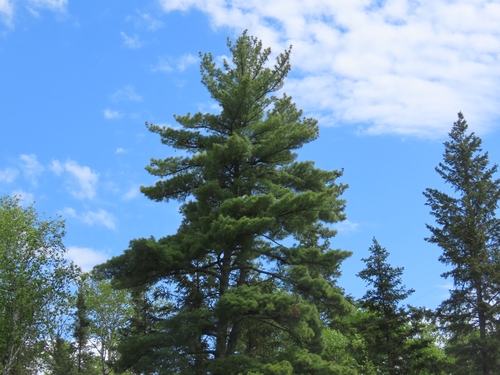
Connecticut, US
Hier kann man sehen Weymouth-Kiefer, Kanadische Hemlocktanne und Berglorbeer.
Führer anzeigen →

Louisiana, US
Hier kann man sehen Sharp-Lobed Hepatica und Purple-Flowered Raspberry.
Führer anzeigen →
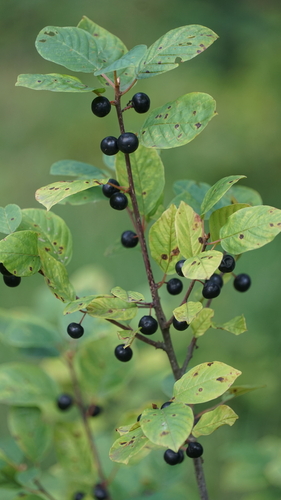
Michigan, US
Hier kann man sehen Alder Buckthorn, Bulblet Fern und Western Poison Ivy.
Führer anzeigen →
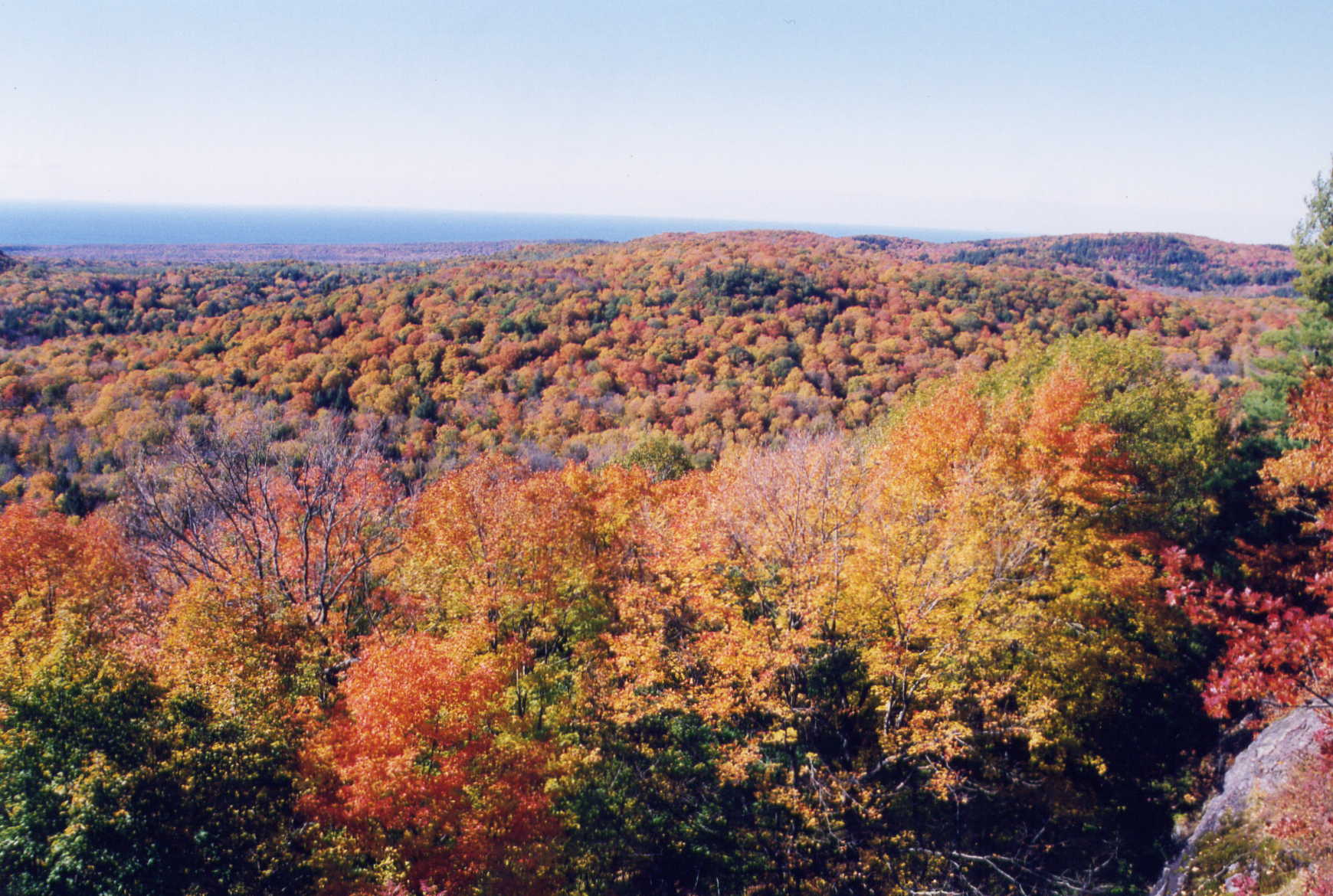
Michigan, US
Hier kann man sehen Tree Lungwort, Shining Firmoss und Amerikanische Kröte.
Führer anzeigen →
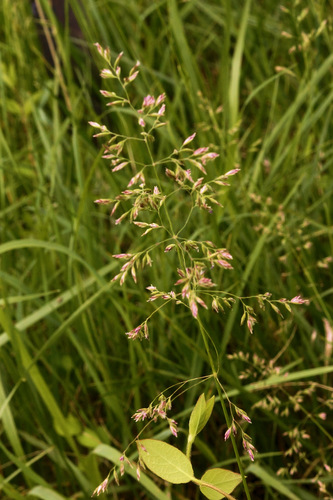
Montana, US
Hier kann man sehen Smooth Meadow-Grass, Hauskatze und Northern Whitecedar.
Führer anzeigen →
















