Osoberry
Oemleria cerasiformis
The Osoberry is a lovely shrub that grows in the wild. It has beautiful green leaves and produces small, tasty berries that many animals enjoy eating.
Lebensraum: Forests
The Osoberry is a deciduous shrub with slender branches and oval, light green leaves that turn yellow in fall. It produces small, drooping clusters of greenish-white flowers in early spring, followed by almond-shaped berries that ripen from green to orange to dark purple.
Kategorie
PflanzenSeltenheit
Common
Gefahr
1/5 · Sehr gering
Snaps
Mach den ersten Snap!
Crush an Osoberry leaf and it smells surprisingly like cucumbers or watermelon!
Its scientific name, Oemleria, honors a botanist named August Gottlieb Oemler!
Native Americans used its straight, strong wood for making useful tools and arrows.
Osoberry is the ONLY species in its entire plant genus in the world!
Osoberry can bloom earlier than most plants, helping it get a head start on attracting hungry pollinators.
Osoberry has berries that change color from green to orange to purple, signaling to animals when they are perfectly ripe.
Osoberry can grow well in disturbed areas or forest edges, helping to colonize new spaces with its strong roots.
Ursus americanus
eats its ripe, purple berries.
Turdus migratorius
enjoys the small, juicy fruits.
Apis mellifera
visits early spring flowers for nectar.

Cyanocitta stelleri
disperses seeds by eating berries.
Blütenpflanzen sind alle Pflanzen, die als Teil ihres Fortpflanzungszyklus Blüten bilden.
Laubabwerfende Pflanzen werfen regelmäßig all ihre Blätter ab, typischerweise im Herbst oder in Trockenzeiten.
Frühlingsblüher bilden ihre Blüten im Frühjahr und kündigen oft das Ende des Winters und den Beginn neuen Wachstums an.
Ein Strauch ist eine verholzende Pflanze, die kleiner als ein Baum ist und typischerweise mehrere Stämme hat, die sich ab oder nahe dem Boden verzweigen.

Fruchttragende Pflanzen produzieren Früchte, also die reifen Fruchtknoten von Blütenpflanzen, die Samen enthalten.

Ein Obstbaum ist ein mehrjähriger Baum, der Früchte trägt, die für Menschen oder Tiere essbar sind.

Essbare Pflanzen sind diejenigen Pflanzenteile, die für den menschlichen Verzehr als unbedenklich gelten.

Waldlebensräume sind terrestrische Lebensräume, die von dichtem Baumbestand dominiert werden und eine große Vielfalt an Pflanzen- und Tierarten beherbergen.
Gefahr
1/5 · Sehr gering
Always ask an adult before picking or eating wild berries.
200-500 cm
150-400 cm
0.5-1 cm
Early spring
Ja
Leicht
Mehrjährig
Insekten
Zoome hinein, um Cluster aufzulösen und zu sehen, wo dieses Objekt fotografiert wurde.
Neueste Snaps erscheinen hier, wenn neue Beobachtungen hinzukommen.

Washington, US
Hier kann man sehen Bigleaf Maple, Common Snowberry und Osoberry.
Führer anzeigen →
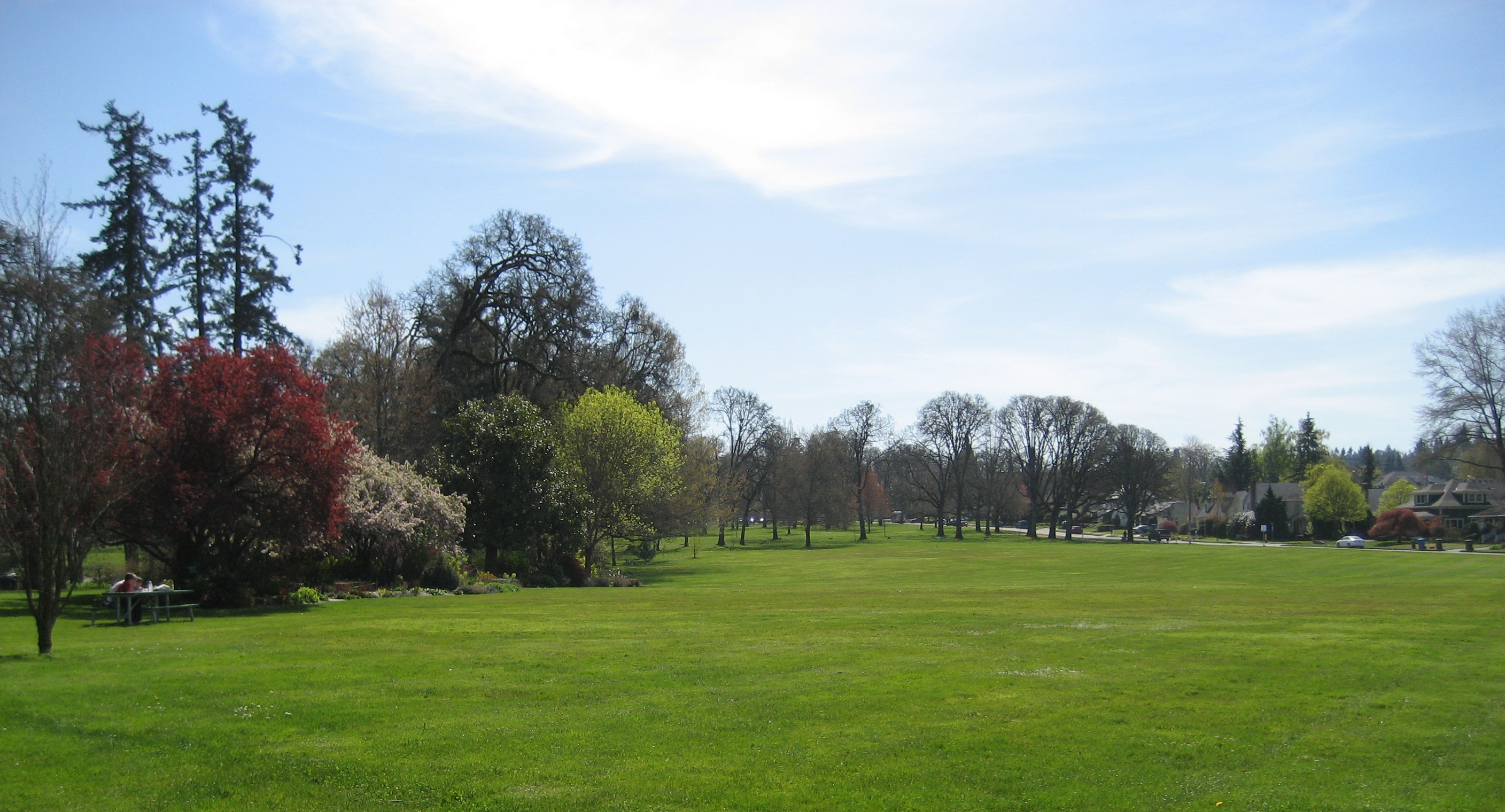
Oregon, US
Hier kann man sehen Oregon Oak und Douglas's Ground Squirrel.
Führer anzeigen →
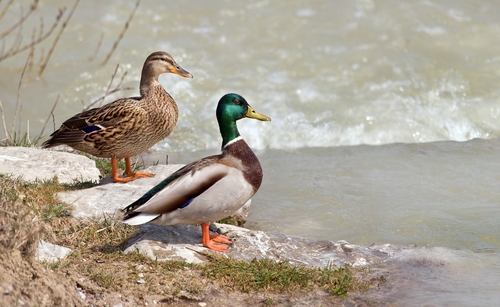
Washington, US
Hier kann man sehen Ente, American Tuliptree und Kanadareiher.
Führer anzeigen →
.jpg)
Washington, US
Hier kann man sehen Ente, Kanadareiher und Western Redcedar.
Führer anzeigen →

British Columbia, CA
Hier kann man sehen Herb Robert, Western Redcedar und Thimbleberry.
Führer anzeigen →

Washington, US
Hier kann man sehen Prostrate Knotweed, Common Dandelion und Ente.
Führer anzeigen →











_Geranium_sanguineum_-_Flower_and_leaf_-_Les_Martels%2C_Giroussens_Tarn.jpg&width=800)