
.jpg&width=800)





Ovenbird
Seiurus aurocapilla
The Ovenbird is a small, brown bird that loves to sing in the forests. It makes a special nest on the ground that looks like an oven, which is how it got its name!
Lebensraum: Forests
The Ovenbird has an olive-brown back and white underparts with bold, black streaking across its chest. A distinctive orange crown, bordered by black stripes, and a prominent white eye-ring make it visually unique.
Kategorie
VögelSeltenheit
Common
Gefahr
1/5 · Sehr gering
Snaps
Mach den ersten Snap!
Its loud 'teacher-teacher-teacher' song is one of the loudest sounds in the forest!
Its unique domed nest, made of leaves on the ground, gives the bird its name!
Ovenbirds can migrate thousands of miles from North America to Central America!
Unlike most warblers, it walks on the forest floor, bobbing its head like a chicken!
Ovenbirds can skillfully forage for food by walking on the forest floor, unlike most warblers that hop in trees.
Ovenbirds have streaky brown and olive feathers that help them blend perfectly into the leaf litter.
Ovenbirds possess powerful vocal cords that allow them to sing an incredibly loud, ringing 'teacher-teacher' song.
Ovenbirds can construct a unique domed nest on the ground using leaves and grass, resembling an old-fashioned oven.
Ovenbirds munch on tasty insects and tiny creatures they find on the forest floor.

Accipiter striatus
A quick hunter of small birds.
Pantherophis obsoletus
Preys on eggs and nestlings.
Procyon lotor
A common predator of ground nests.
Formica rufa
A common food source.
Malacosoma americanum
Feeds on these forest pests.
Gefiedert beschreibt Tiere, hauptsächlich Vögel, die ein Federkleid besitzen.
Einzelgänger leben den größten Teil ihres Lebens allein und interagieren mit Artgenossen nur zur Paarung oder zur Aufzucht der Jungen.
Singende Tiere erzeugen komplexe Lautäußerungen, oft um Partner anzulocken, ihr Revier zu verteidigen oder innerhalb ihrer Art zu kommunizieren.
Dieses Merkmal kennzeichnet Organismen, deren Nahrung hauptsächlich aus Insekten und anderen kleinen Wirbellosen besteht.

Waldlebensräume sind terrestrische Lebensräume, die von dichtem Baumbestand dominiert werden und eine große Vielfalt an Pflanzen- und Tierarten beherbergen.

Tagaktive Tiere sind hauptsächlich bei Tageslicht aktiv und ruhen oder schlafen in der Regel nachts.
Noch keine Alternativnamen vorhanden.
Gefahr
1/5 · Sehr gering
Enjoy watching birds from a distance and be quiet so you don't scare them away.
11-16 cm
20-25 cm
0.018-0.028 kg
2-8 Jahre
45 km/h
Ovenbirds munch on tasty insects and tiny creatures they find on the forest floor.
Forests
Foraging
Zoome hinein, um Cluster aufzulösen und zu sehen, wo dieses Objekt fotografiert wurde.
Neueste Snaps erscheinen hier, wenn neue Beobachtungen hinzukommen.
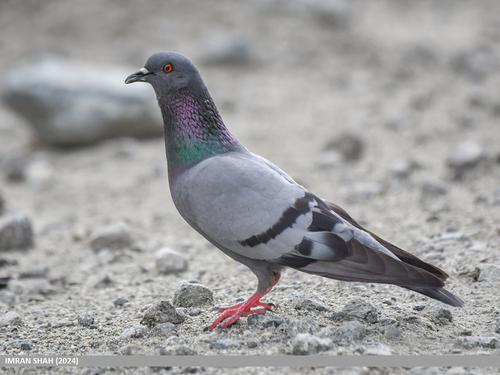
Washington, US
Hier kann man sehen Felsentaube, östliches Grauhörnchen und Haussperling.
Führer anzeigen →
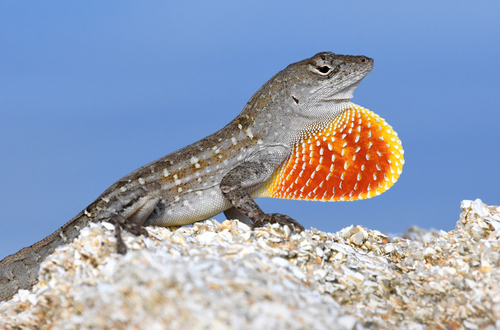
Florida, US
Hier kann man sehen Brauner Anolis, Shiny-Leaved Wild Coffee und Firebush.
Führer anzeigen →
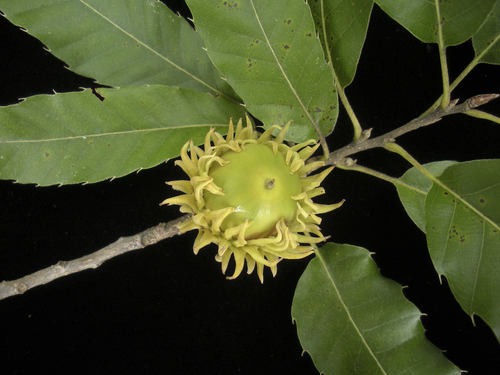
Virginia, US
Hier kann man sehen Sawtooth Oak, Wineberry und Blue Mistflower.
Führer anzeigen →













.jpg&width=800)
