Pacific Acorn Barnacle
balanus glandula
The Pacific Acorn Barnacle is a tiny animal that sticks to rocks and shells in the ocean. They have a hard shell that looks like a little acorn, and they open up to eat tiny food from the water!
Lebensraum: Rocky shores and tidal pools along the Pacific coast.
The Pacific Acorn Barnacle is a small, whitish-grey cone with a rough, often ridged surface. Its top has a diamond-shaped opening made of four movable plates. It looks like a tiny volcano glued to rocks, distinct from smooth, flat limpets.
Kategorie
InvertebrateSeltenheit
Common
Gefahr
0/5 · Keine bekannte Gefahr
Snaps
Mach den ersten Snap!
Barnacles are actually crustaceans, which means they are related to crabs and lobsters!
Some barnacles can live for many years, often ten times longer than a pet hamster!
They spend their whole adult life upside down, sticking their head to a rock!
Wow! Baby barnacles swim like tiny shrimp before finding a spot to glue down!
Pacific Acorn Barnacle can make an incredibly strong natural cement because of specialized glands that helps them stick to rocks forever.
Pacific Acorn Barnacle has feathery 'cirri' legs that helps them sweep tiny food particles from the ocean water.
Pacific Acorn Barnacle can close its shell plates because of strong muscles that helps them stay safe and moist during low tide.
Pacific Acorn Barnacle has both male and female parts that helps them reproduce even when neighbors are scarce.
They sweep tiny ocean critters and plant bits from the water using their feathery legs.
Pisaster ochraceus
Pries open shells to eat the soft body.
Nucella emarginata
Drills a tiny hole through the shell.
Oligocottus maculosus
Nips at the feathery feeding legs.
Soziale Tiere leben in organisierten Gruppen und kooperieren, um ihr Überleben zu sichern, beispielsweise bei der Nahrungssuche, Verteidigung und Aufzucht der Jungen.
Filtrierer nehmen Nährstoffe auf, indem sie schwebende Nahrungspartikel und kleine Organismen aus dem Wasser filtern.
Küstenlebensräume sind dynamische Umgebungen an der Schnittstelle zwischen Land und Meer, die von Gezeiten, Wellen und Salzwasser geprägt sind.
Aquatische Lebensräume umfassen Umgebungen, in denen Organismen überwiegend im Wasser leben, darunter Ozeane, Flüsse, Seen und Feuchtgebiete.

Marine Lebensräume umfassen alle Salzwasserumgebungen der Ozeane der Erde und beherbergen eine immense Vielfalt an Wasserlebewesen.
Gefahr
0/5 · Keine bekannte Gefahr
Noch keine besonderen Sicherheitshinweise.
1.5 cm
0.5 g
10 Jahre
They sweep tiny ocean critters and plant bits from the water using their feathery legs.
Rocky shores and tidal pools along the Pacific coast.
Filter Feeding
12
hundreds_to_thousands
Zoome hinein, um Cluster aufzulösen und zu sehen, wo dieses Objekt fotografiert wurde.
Neueste Snaps erscheinen hier, wenn neue Beobachtungen hinzukommen.

British Columbia, CA
Hier kann man sehen Rauchschwalbe, Pelagic Cormorant und Seelöwe.
Führer anzeigen →
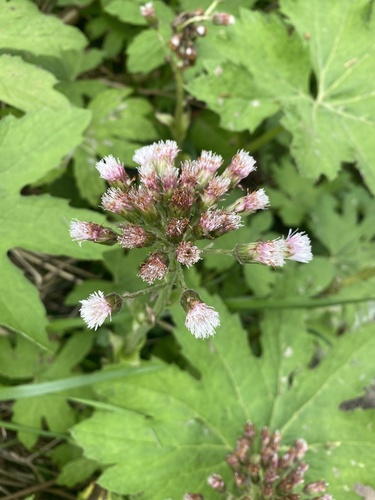
Washington, US
Hier kann man sehen Arctic Butterbur, Red Valerian und American Brooklime.
Führer anzeigen →
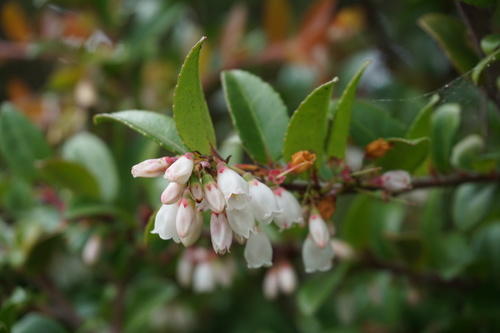
British Columbia, CA
Hier kann man sehen Evergreen Huckleberry, Salal und Pacific Madrone.
Führer anzeigen →