






Paddle-tailed Darner
Aeshna palmata
The Paddle-tailed Darner is a beautiful dragonfly with a paddle-shaped tail. It loves to fly around ponds and wetlands, showing off its bright colors and fast movements.
Lebensraum: Wetlands
The Paddle-tailed Darner has a long, slender body with striking blue and green markings on a dark brown background. Males are distinct for their flattened, paddle-like abdomen tip. It also possesses large, wrap-around eyes and four clear, delicate wings, typical of darners.
Kategorie
InsektenSeltenheit
Common
Gefahr
1/5 · Sehr gering
Snaps
Mach den ersten Snap!
A single Darner can eat hundreds of pesky mosquitoes and flies in just one day!
Dragonflies like the Darner existed on Earth even before the first dinosaurs appeared!
They mate in a unique 'wheel' position while flying or perched on vegetation.
Young darners, called nymphs, live underwater for several years before becoming adults.
Paddle-tailed Darners can see almost 360 degrees because their giant compound eyes help them spot prey and predators from any direction.
Paddle-tailed Darners can fly forwards, backwards, hover, and change direction instantly because each wing moves independently.
Paddle-tailed Darners can snatch flying insects right out of the air because of their incredible speed and agility.
An aerial hunter, it dines on a variety of flying insects caught mid-flight.
Altersunterschiede: Nymphs are aquatic predators, eating tadpoles, small fish, and aquatic insects.
Culex pipiens
Hunts adult mosquitoes, helping control their populations.
Turdus migratorius
Can be prey for various bird species near water bodies.
Perca flavescens
Nymphs are a food source for fish in aquatic habitats.
Lithobates catesbeianus
Nymphs hunt tadpoles and other small aquatic organisms.
Einzelgänger leben den größten Teil ihres Lebens allein und interagieren mit Artgenossen nur zur Paarung oder zur Aufzucht der Jungen.
Luftbewohnende Tiere verbringen einen erheblichen Teil ihres Lebens in der Luft und nutzen den Flug für verschiedene Aktivitäten wie Jagd, Wanderungen oder Nestbau.
Farbenfroh beschreibt Organismen oder Objekte, die eine große Vielfalt an leuchtenden und deutlich erkennbaren Farben aufweisen.
Dieses Merkmal kennzeichnet Organismen, deren Nahrung hauptsächlich aus Insekten und anderen kleinen Wirbellosen besteht.

Dieses Lebensraummerkmal kennzeichnet Arten, die in Feuchtgebieten vorkommen. Dies sind Landflächen, die dauerhaft oder saisonal mit Wasser gesättigt sind, darunter Marschland, Sümpfe und Moore.

Dieses Merkmal kennzeichnet Lebewesen, die bei der Jagd, Flucht oder Fortbewegung eine außergewöhnliche Schnelligkeit aufweisen.

Süßwasserlebensräume umfassen nicht-salzige Gewässer wie Flüsse, Seen, Teiche und Feuchtgebiete, die für zahlreiche Arten lebenswichtig sind.

Tagaktive Tiere sind hauptsächlich bei Tageslicht aktiv und ruhen oder schlafen in der Regel nachts.

Beschreibt Organismen, die Pollen übertragen und so die Befruchtung und Fortpflanzung von Pflanzen ermöglichen.
Noch keine Alternativnamen vorhanden.
Gefahr
1/5 · Sehr gering
Dragonflies are harmless, but it's best to watch them from a distance.
90-100 mm
65-75 mm
30-90 Tage
45 km/h
An aerial hunter, it dines on a variety of flying insects caught mid-flight.
Wetlands
Pursuit
6
Zoome hinein, um Cluster aufzulösen und zu sehen, wo dieses Objekt fotografiert wurde.
Neueste Snaps erscheinen hier, wenn neue Beobachtungen hinzukommen.
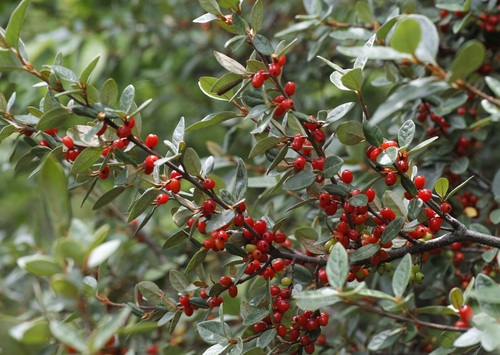
British Columbia, CA
Hier kann man sehen Canadian Buffalo-Berry, Oregon Boxwood und Pacific Trillium.
Führer anzeigen →
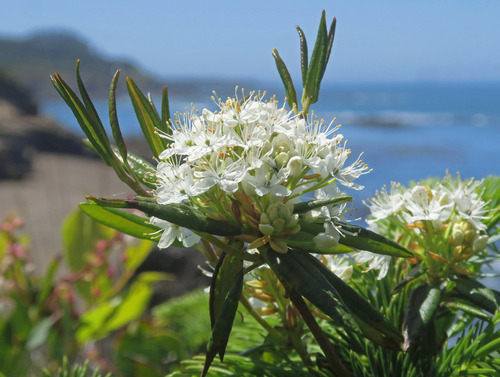
British Columbia, CA
Hier kann man sehen Western Labrador Tea, Grouse Whortleberry und Küsten-Kiefer.
Führer anzeigen →
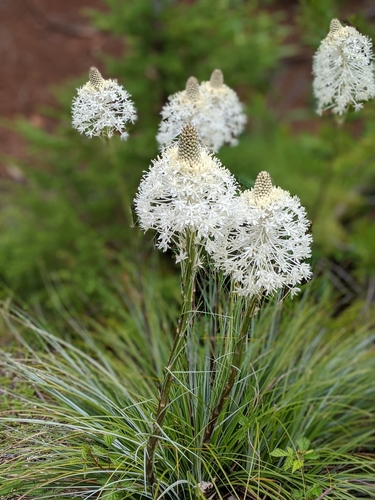
British Columbia, CA
Hier kann man sehen Common Beargrass und White-Flowered Rhododendron.
Führer anzeigen →











_Misumena_vatia_male.jpg&width=800)



