






Phoebis
phoebis
The Phoebis butterfly is known for its beautiful, bright yellow wings! These butterflies flutter around gardens and fields, making them a delightful sight for everyone.
Lebensraum: Phoebis butterflies thrive in warm, sunny areas like gardens, meadows, and open fields.
The Phoebis is a medium-sized butterfly typically showcasing vibrant yellow or orange wings, often with dusky or reddish-brown markings, especially along the wing edges or veins. Males are usually brighter, while females might be paler yellow or white with more prominent dark patterns, making them distinct from many other plain yellow species.
Kategorie
InsektenSeltenheit
Common
Gefahr
0/5 · Keine bekannte Gefahr
Snaps
Mach den ersten Snap!
Adult Phoebis butterflies adore bright yellow, orange, and pink flowers for their sweet nectar!
Phoebis caterpillars love eating leaves of Senna plants, often called 'cassia' plants!
Some Phoebis butterflies migrate in huge groups, creating stunning clouds of yellow and orange in the sky!
Their chrysalises can be green or brown, often with a pointed 'horn' at the head, helping them hide!
Phoebis can travel thousands of miles because of its strong flight muscles, helping it find new food sources and warmer climates.
Phoebis has a long, coiled proboscis that helps them sip nectar deep inside flowers like a straw, gathering vital energy.
Many Phoebis caterpillars have green or yellow bodies that help them blend perfectly into their host plant leaves, hiding from predators.
Caterpillars munch on leaves, while adults sip sweet nectar from various flowers.
Altersunterschiede: Yes, larvae consume leaves of host plants, while adults feed exclusively on flower nectar.
Senna obtusifolia
Adults visit these flowers for nectar and spread pollen.
.jpg&width=800)
Tyrannus tyrannus
These birds are agile hunters that catch butterflies in flight.
Anolis carolinensis
Lizards are opportunistic predators, catching resting butterflies or larvae.
Argiope aurantia
These spiders build webs to capture flying Phoebis.
Soziale Tiere leben in organisierten Gruppen und kooperieren, um ihr Überleben zu sichern, beispielsweise bei der Nahrungssuche, Verteidigung und Aufzucht der Jungen.
Farbenfroh beschreibt Organismen oder Objekte, die eine große Vielfalt an leuchtenden und deutlich erkennbaren Farben aufweisen.
Waldlebensräume sind terrestrische Lebensräume, die von dichtem Baumbestand dominiert werden und eine große Vielfalt an Pflanzen- und Tierarten beherbergen.
Tagaktive Tiere sind hauptsächlich bei Tageslicht aktiv und ruhen oder schlafen in der Regel nachts.

Beschreibt Organismen, die Pollen übertragen und so die Befruchtung und Fortpflanzung von Pflanzen ermöglichen.
Gefahr
0/5 · Keine bekannte Gefahr
Noch keine besonderen Sicherheitshinweise.
45-80 mm
20-35 mm
10-30 Tage
15-25 km/h
Caterpillars munch on leaves, while adults sip sweet nectar from various flowers.
Phoebis butterflies thrive in warm, sunny areas like gardens, meadows, and open fields.
Foraging
6
Zoome hinein, um Cluster aufzulösen und zu sehen, wo dieses Objekt fotografiert wurde.
Neueste Snaps erscheinen hier, wenn neue Beobachtungen hinzukommen.
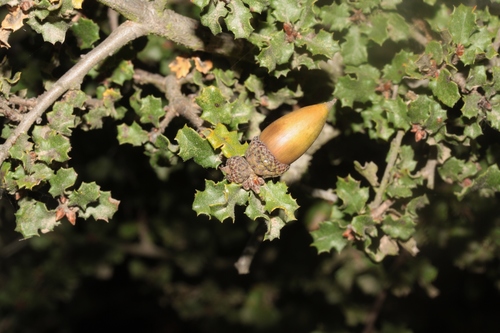
California, US
Hier kann man sehen Nuttall's Scrub Oak, Hausgimpel und Western Blue-Eyed Grass.
Führer anzeigen →

California, US
Hier kann man sehen Fingertips, Lemonade Berry und California Boxthorn.
Führer anzeigen →













