






Polka-Dot Wasp Moth
Syntomeida epilais
The Polka-Dot Wasp Moth is a colorful insect with bright yellow and black spots. It looks like a tiny superhero in the garden, fluttering around flowers and plants.
Lebensraum: Urban areas
The Polka-Dot Wasp Moth has a striking metallic blue-green body adorned with white polka-dots, an orange head, and matching orange legs. Its wings are mostly clear with dark veins, making it look much like a stinging wasp to scare off predators.
Kategorie
InsektenSeltenheit
Common
Gefahr
1/5 · Sehr gering
Snaps
Mach den ersten Snap!
Its caterpillars munch on poisonous oleander plants, but they don't get sick!
They got their name because they look exactly like a tiny, colorful wasp!
This amazing moth has clear wings that sparkle like glass in the sunshine!
Unlike most moths, it often flies during the daytime, just like a butterfly!
Polka-Dot Wasp Moth has a convincing wasp-like appearance that helps them trick predators into thinking they are dangerous to approach.
Polka-Dot Wasp Moth can absorb toxins from its food, making it taste bad or even poisonous if a predator tries to eat it.
Polka-Dot Wasp Moth uses its bright, contrasting colors that help them warn potential predators that they are not a tasty meal.
As caterpillars, they eat poisonous leaves, but as adults, they sip sweet nectar from flowers.
Altersunterschiede: Larvae (caterpillars) feed on host plant leaves, while adults feed on nectar from flowers.
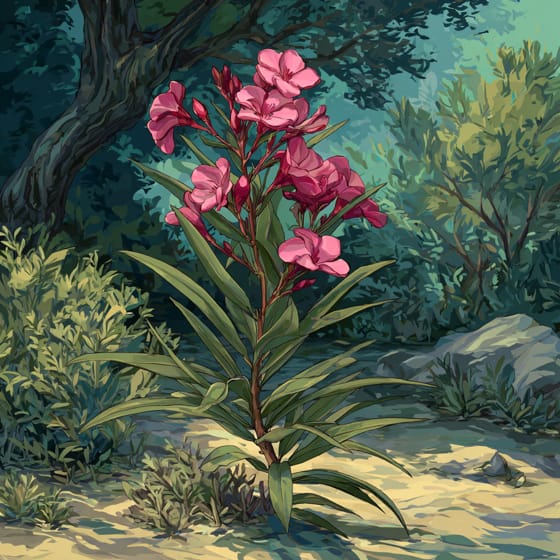
Nerium oleander
Larvae feed on its leaves

Asclepias curassavica
Caterpillars also consume its leaves
Helianthus annuus
Adults visit flowers for nectar
Cyanocitta cristata
A potential predator, despite toxicity
Pelzig beschreibt Tiere, die eine dichte Schicht aus weichen Haaren oder Fell besitzen.
Mit Flecken oder farblich abgesetzten Bereichen gezeichnet.
Einzelgänger leben den größten Teil ihres Lebens allein und interagieren mit Artgenossen nur zur Paarung oder zur Aufzucht der Jungen.
Beschreibt Pflanzen, die für eine Vielzahl von bestäubenden Organismen besonders attraktiv und nützlich sind.

Farbenfroh beschreibt Organismen oder Objekte, die eine große Vielfalt an leuchtenden und deutlich erkennbaren Farben aufweisen.

Dieses Merkmal kennzeichnet Lebewesen, deren Ernährung vollständig oder hauptsächlich aus pflanzlichem Material besteht.

Tagaktive Tiere sind hauptsächlich bei Tageslicht aktiv und ruhen oder schlafen in der Regel nachts.

Dieses Lebensraummerkmal weist auf Arten hin, die in städtischen und vorstädtischen Umgebungen mit Menschen zusammenleben können und von Menschen geschaffene Strukturen sowie Grünflächen nutzen.

Beschreibt Organismen, die Pollen übertragen und so die Befruchtung und Fortpflanzung von Pflanzen ermöglichen.
Noch keine Alternativnamen vorhanden.
Gefahr
1/5 · Sehr gering
Don't touch moths, but enjoy watching them from a distance!
30-45 mm
12-15 mm
7-14 Tage
10 km/h
As caterpillars, they eat poisonous leaves, but as adults, they sip sweet nectar from flowers.
Urban areas
Foraging
6
Zoome hinein, um Cluster aufzulösen und zu sehen, wo dieses Objekt fotografiert wurde.
Neueste Snaps erscheinen hier, wenn neue Beobachtungen hinzukommen.










.jpg&width=800)



