.jpg&width=800)





Scoparia
Scoparia
Scoparia ist eine Art Motte mit schönen, zarten Flügeln. Man findet sie oft nachts herumflatternd, was sie zu besonderen Nachtfreunden in der Natur macht.
Lebensraum: Wälder
Die Scoparia ist eine kleine, schlanke Motte, typischerweise gesprenkelt in Braun-, Grau- und Weißtönen. Ihre Flügel weisen oft Zickzacklinien oder dunklere Flecken auf, was eine hervorragende Tarnung gegen Rinde oder trockene Vegetation bietet. Sie ruht häufig mit zeltförmig über dem Rücken gehaltenen Flügeln.
Kategorie
InsektenSeltenheit
Common
Gefahr
1/5 · Sehr gering
Snaps
Mach den ersten Snap!
Viele Scoparia-Motten sind so winzig, dass sie bequem auf Ihre Fingerspitze passen würden!
Die meisten Scoparia-Motten sind 'Nachtschwärmer' und flattern erst herum, nachdem die Sonne untergegangen ist!
Einige Scoparia-Raupen nagen an Moosen, ein ungewöhnlicher Snack für eine Mottenlarve!
Ihre gemusterten Flügel sind unglaubliche Meister der Verkleidung und sehen aus wie Baumrinde oder trockene Blätter!
Scoparia hat kryptische Flügelmuster, die ihnen helfen, sich perfekt in ihre Umgebung einzufügen, wodurch sie für Fressfeinde fast unsichtbar werden.
Scoparia kann dank ihres spezialisierten Nachtsehvermögens im Dunkeln effizient fliegen und Nahrung finden, was ihnen hilft, tagaktiven Fressfeinden auszuweichen.
Scoparia kann Nektar aus tief in Blumen trinken, indem sie einen langen, aufgerollten Rüssel benutzt, der ihnen hilft, sonst unzugängliche Nahrungsquellen zu erreichen.
Scoparia-Larven können zähe Moose und Flechten verdauen, eine ungewöhnliche Ernährung, die ihnen hilft, in Lebensräumen zu gedeihen, in denen andere Insekten Schwierigkeiten hätten.
Erwachsene Scoparia-Motten trinken Nektar, während ihre Larven oft Moose und Flechten fressen.
Altersunterschiede: Larven fressen Moose und Flechten, während erwachsene Motten hauptsächlich Blütennektar konsumieren.

Hypnum cupressiforme
Larven ernähren sich von diesem häufigen Moos in feuchten Umgebungen.
Rhytidiadelphus squarrosus
Eine weitere häufige Moosart, die von Scoparia-Larven konsumiert wird.
Myotis lucifugus
Fledermäuse jagen erwachsene Motten nachts mit Echoortung.
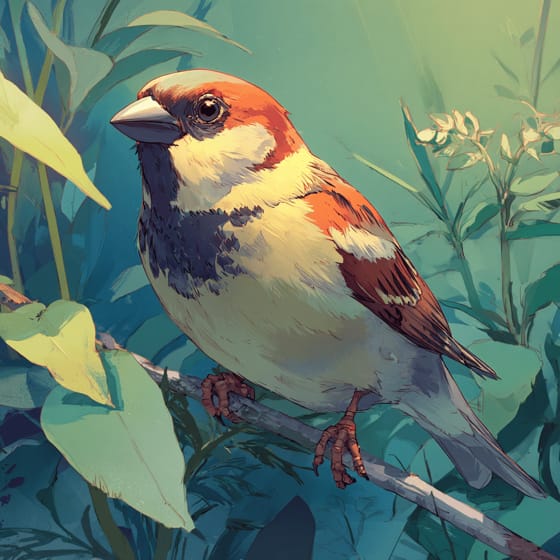
Passer domesticus
Opportunistische Vögel schnappen sich manchmal ruhende Motten.
Einzelgänger leben den größten Teil ihres Lebens allein und interagieren mit Artgenossen nur zur Paarung oder zur Aufzucht der Jungen.
Farbenfroh beschreibt Organismen oder Objekte, die eine große Vielfalt an leuchtenden und deutlich erkennbaren Farben aufweisen.
Getarnt beschreibt Organismen, die über eine Färbung oder Musterung verfügen, durch die sie mit ihrer Umgebung verschmelzen.
Dieses Merkmal kennzeichnet Lebewesen, deren Ernährung vollständig oder hauptsächlich aus pflanzlichem Material besteht.

Beschreibt eine Beziehung zwischen zwei verschiedenen Arten, die eng zusammenleben, was oft einer oder beiden zugutekommt.

Waldlebensräume sind terrestrische Lebensräume, die von dichtem Baumbestand dominiert werden und eine große Vielfalt an Pflanzen- und Tierarten beherbergen.

Nachtaktive Tiere sind hauptsächlich in den Nachtstunden aktiv und ruhen oder schlafen normalerweise tagsüber.

Beschreibt Organismen, die Pollen übertragen und so die Befruchtung und Fortpflanzung von Pflanzen ermöglichen.
Noch keine Alternativnamen vorhanden.
Gefahr
1/5 · Sehr gering
Motten sind sanfte Kreaturen, aber es ist am besten, sie aus der Ferne zu beobachten.
Der einfachste Weg, Scoparia zu bestimmen, ist die Verwendung der Naturführer-App Snappit.
15-30 mm
5-15 mm
7-21 Tage
8 km/h
Erwachsene Scoparia-Motten trinken Nektar, während ihre Larven oft Moose und Flechten fressen.
Wälder
Futtersuche
Zoome hinein, um Cluster aufzulösen und zu sehen, wo dieses Objekt fotografiert wurde.
Neueste Snaps erscheinen hier, wenn neue Beobachtungen hinzukommen.
Nimm die Entdeckung mit
Fotografiere deinen Fund mit Snappit, bestimme die Art und füge die Entdeckung deiner Sammlung hinzu.








.jpg&width=800)


