prairie smoke
Geum triflorum
Prairie smoke is a beautiful flower that grows in grassy areas. Its fluffy, pinkish seed heads look like little puffs of smoke, making it a fun sight in nature!
Lebensraum: Grasslands
The prairie smoke has nodding, bell-shaped flowers, often pink or reddish, that never fully open. Its most distinct feature is the fuzzy, feather-like seed heads that emerge after blooming, resembling wisps of smoke.
Kategorie
PflanzenSeltenheit
Common
Gefahr
1/5 · Sehr gering
Snaps
Mach den ersten Snap!
After blooming, the fluffy seed heads shimmer and wave, truly looking like puffs of pink smoke!
Its unique flowers stay mostly closed, keeping delicate pollen safe and dry inside!
Native Americans traditionally used parts of this plant for various medicinal purposes, like soothing teas!
You can often spot prairie smoke as one of the very first colorful wildflowers to appear in spring!
Prairie smoke has long, feathery seed tails that catch the wind, allowing its seeds to float away and spread far from the parent plant.
Prairie smoke can bloom very early in spring, taking advantage of sunlight before larger plants grow tall and create too much shade.
Prairie smoke has strong, deep rhizomatous roots that help it survive droughts and wildfires common in its native prairie habitats.

Bombus bimaculatus
It collects nectar and pollen from the early spring flowers.
Apis mellifera
Visits the flowers for nectar and helps spread pollen.
Odocoileus virginianus
Deer may browse the leaves and stems, especially when young.
Stenoptilia pterodactyla
Its larvae feed on the developing seeds of the plant.
Blütenpflanzen sind alle Pflanzen, die als Teil ihres Fortpflanzungszyklus Blüten bilden.
Laubabwerfende Pflanzen werfen regelmäßig all ihre Blätter ab, typischerweise im Herbst oder in Trockenzeiten.
Frühlingsblüher bilden ihre Blüten im Frühjahr und kündigen oft das Ende des Winters und den Beginn neuen Wachstums an.
Duftende Blüten verströmen ein angenehmes Aroma, oft um Bestäuber anzulocken oder zur Abwehr.

Beschreibt Pflanzen, die für eine Vielzahl von bestäubenden Organismen besonders attraktiv und nützlich sind.

Grasland-Lebensräume sind terrestrische Biome, die von Gräsern und krautigen Pflanzen dominiert werden und einer Vielzahl von Weidetieren als Lebensraum dienen.
Gefahr
1/5 · Sehr gering
Always look but don't touch wild plants unless an adult says it's okay.
20-40 cm
30-50 cm
1-2 cm
Frühling
Nein
Keine
Mehrjährig
Insekten
Zoome hinein, um Cluster aufzulösen und zu sehen, wo dieses Objekt fotografiert wurde.
Neueste Snaps erscheinen hier, wenn neue Beobachtungen hinzukommen.

Wyoming, US
Hier kann man sehen Küsten-Kiefer, Flowery Phlox und Elch.
Führer anzeigen →
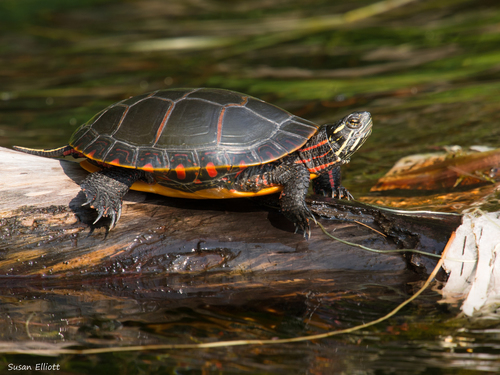
British Columbia, CA
Hier kann man sehen Zierschildkröte und Antelope Bitterbrush.
Führer anzeigen →
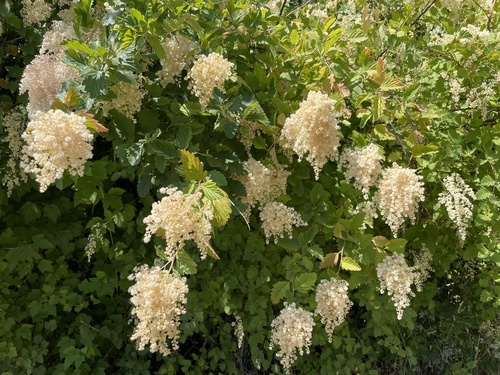
British Columbia, CA
Hier kann man sehen Ocean Spray, Rocky Mountain Woodsia und Prairie Smoke.
Führer anzeigen →