



Two-spotted Bumble Bee
Bombus bimaculatus
The Two-spotted Bumble Bee is a fuzzy little insect that loves to visit flowers. It helps plants grow by spreading pollen while it collects nectar for food.
Lebensraum: Grasslands
The Two-spotted Bumble Bee has a fuzzy, round body, primarily black with two distinct bright yellow bands across its thorax and abdomen. Its most notable feature is two yellow spots located on the front of its second abdominal segment, making it easy to identify.
Kategorie
InsektenSeltenheit
Common
Gefahr
2/5 · Gering
Snaps
Mach den ersten Snap!
A single queen can lay hundreds of eggs in her lifetime!
Bumble bees have excellent color vision, helping them find the brightest flowers.
Their super-fast wing beats create the distinct 'buzz' sound they are famous for!
They use tiny hairs on their bodies to carry pollen like miniature baskets.
Two-spotted Bumble Bee can shiver its flight muscles (sonication) to shake pollen from flowers that helps them access hidden nutrients.
Two-spotted Bumble Bee can warm its body by vibrating muscles that helps them fly and forage even on cool days.
Two-spotted Bumble Bee has a 'honey stomach' (crop) that helps them carry nectar back to the nest for the colony.
Two-spotted Bumble Bees feast on nectar for energy and pollen for protein from flowers!

Trifolium pratense
Vital for clover reproduction, helping new plants grow.
Solidago canadensis
Spreads goldenrod seeds for widespread plant growth.
Physocephala tibialis
Fly larvae grow inside the bee, unfortunately harming it.

Bombus impatiens
They compete for the same flower resources in shared habitats.
Pelzig beschreibt Tiere, die eine dichte Schicht aus weichen Haaren oder Fell besitzen.
Mit Flecken oder farblich abgesetzten Bereichen gezeichnet.
Soziale Tiere leben in organisierten Gruppen und kooperieren, um ihr Überleben zu sichern, beispielsweise bei der Nahrungssuche, Verteidigung und Aufzucht der Jungen.
Beschreibt Pflanzen, die für eine Vielzahl von bestäubenden Organismen besonders attraktiv und nützlich sind.

Grasland-Lebensräume sind terrestrische Biome, die von Gräsern und krautigen Pflanzen dominiert werden und einer Vielzahl von Weidetieren als Lebensraum dienen.

Dieses Merkmal kennzeichnet Lebewesen, deren Ernährung vollständig oder hauptsächlich aus pflanzlichem Material besteht.

Beschreibt eine Art, deren Anwesenheit und Rolle einen unverhältnismäßig großen Einfluss auf ihre Umwelt haben.

Tagaktive Tiere sind hauptsächlich bei Tageslicht aktiv und ruhen oder schlafen in der Regel nachts.

Beschreibt Organismen, die Pollen übertragen und so die Befruchtung und Fortpflanzung von Pflanzen ermöglichen.
Gefahr
2/5 · Gering
Stay calm and still if you see a bee. They usually won't bother you if you don't bother them.
25-40 mm
9-20 mm
20-365 Tage
18 km/h
Two-spotted Bumble Bees feast on nectar for energy and pollen for protein from flowers!
Grasslands
Foraging
6
Zoome hinein, um Cluster aufzulösen und zu sehen, wo dieses Objekt fotografiert wurde.
Neueste Snaps erscheinen hier, wenn neue Beobachtungen hinzukommen.
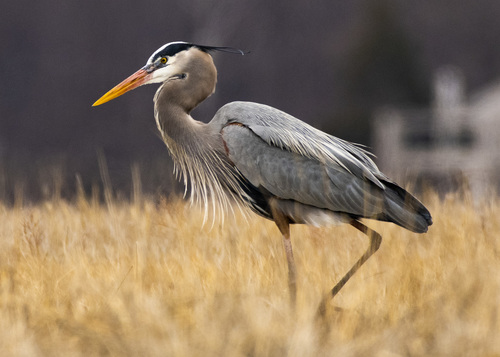
Virginia, US
Hier kann man sehen Kanadareiher, Kanadagans und Rotschulterstärling.
Führer anzeigen →
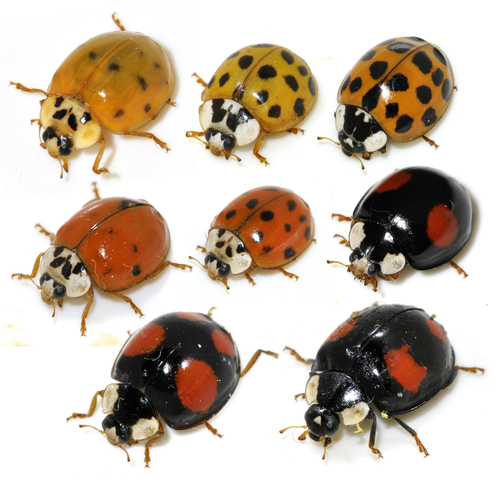
Ontario, CA
Hier kann man sehen Asiatischer Marienkäfer und Forest Tent Caterpillar Moth.
Führer anzeigen →
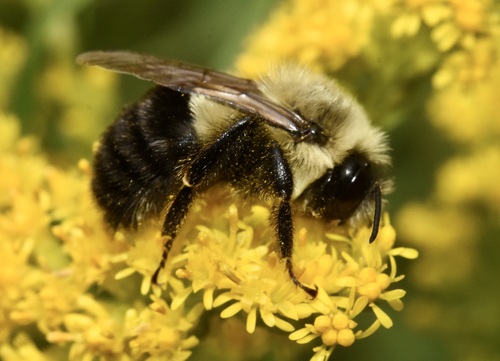
Michigan, US
Hier kann man sehen Common Eastern Bumble Bee und Brown-Belted Bumble Bee.
Führer anzeigen →

Ontario, CA
Hier kann man sehen Common Eastern Bumble Bee und Two-Spotted Bumble Bee.
Führer anzeigen →
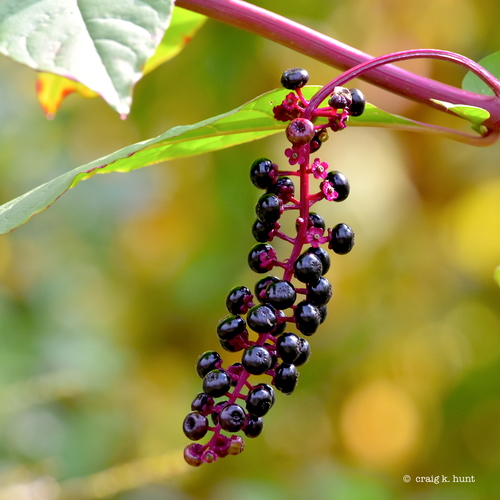
Maryland, US
Hier kann man sehen American Pokeweed, Goldruten und Common Hackberry.
Führer anzeigen →