






Red Junglefowl
Gallus gallus
The Red Junglefowl is a colorful bird that is the ancestor of domestic chickens. They have bright red and orange feathers and love to scratch the ground for seeds and insects.
Lebensraum: Forests
The Red Junglefowl is a vibrant bird with iridescent greenish-black tail feathers and a striking red comb and wattle, especially prominent on males. Males display shiny dark green and coppery-orange plumage, while females are duller brown for camouflage, making them blend into the forest.
Kategorie
VögelSeltenheit
Common
Gefahr
1/5 · Sehr gering
Snaps
Mach den ersten Snap!
All domestic chickens around the world are descended from the Red Junglefowl!
Junglefowl chicks can run and forage for food almost immediately after hatching!
Males perform a special "tidbitting" dance to show females tasty food.
They use different alarm calls to warn about ground predators versus aerial threats.
Red Junglefowl has dull, mottled brown plumage on females that helps them blend seamlessly into the forest undergrowth, hiding from predators.
Red Junglefowl can burst into short, powerful flights to rapidly escape danger, making them hard to catch in dense vegetation.
Red Junglefowl can expertly scratch and peck through leaf litter to uncover hidden seeds, insects, and fruits from the forest floor.
These forest birds scratch for a variety of seeds, fruits, insects, and small creatures to eat.
Nisaetus cirrhatus
Predatory birds often hunt junglefowl from above.
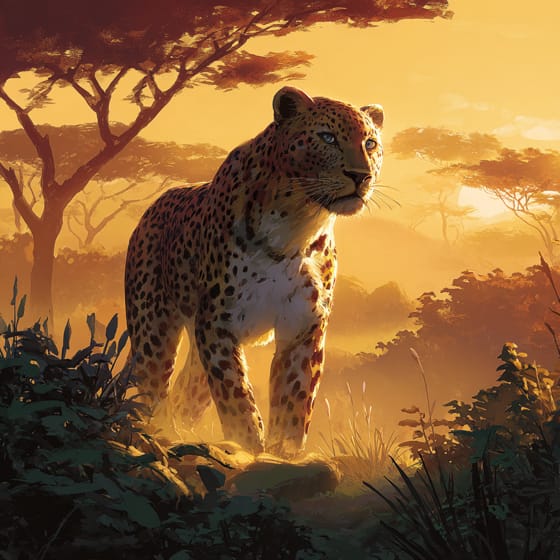
Panthera pardus
Big cats are skilled at ambushing junglefowl.
Ophiophagus hannah
Large snakes can ambush junglefowl nests or adults.
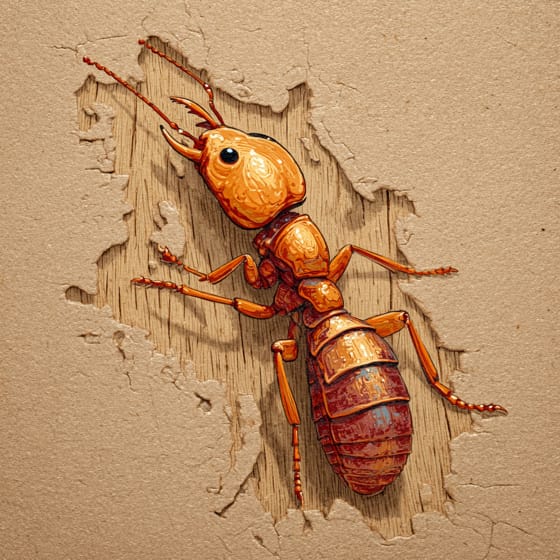
Odontotermes obesus
Junglefowl scratch for and consume termites.
Gefiedert beschreibt Tiere, hauptsächlich Vögel, die ein Federkleid besitzen.
Soziale Tiere leben in organisierten Gruppen und kooperieren, um ihr Überleben zu sichern, beispielsweise bei der Nahrungssuche, Verteidigung und Aufzucht der Jungen.
Dieses Merkmal kennzeichnet Organismen, deren Ernährung sowohl pflanzliche als auch tierische Bestandteile umfasst.
Farbenfroh beschreibt Organismen oder Objekte, die eine große Vielfalt an leuchtenden und deutlich erkennbaren Farben aufweisen.

Dieses Merkmal kennzeichnet Organismen, deren Nahrung hauptsächlich aus Insekten und anderen kleinen Wirbellosen besteht.

Dieses Merkmal kennzeichnet Organismen, die zu einer sehr alten evolutionären Gruppe gehören, deren Vorfahren Millionen von Jahren zurückreichen.

Waldlebensräume sind terrestrische Lebensräume, die von dichtem Baumbestand dominiert werden und eine große Vielfalt an Pflanzen- und Tierarten beherbergen.

Tagaktive Tiere sind hauptsächlich bei Tageslicht aktiv und ruhen oder schlafen in der Regel nachts.
Gefahr
1/5 · Sehr gering
Watch from a distance and don't try to catch them; they can be scared easily.
42-75 cm
40-60 cm
0.7-1.5 kg
5-8 Jahre
48 km/h
These forest birds scratch for a variety of seeds, fruits, insects, and small creatures to eat.
Forests
Foraging
Zoome hinein, um Cluster aufzulösen und zu sehen, wo dieses Objekt fotografiert wurde.
Neueste Snaps erscheinen hier, wenn neue Beobachtungen hinzukommen.






_female.JPG&width=800)

_03.jpg&width=800)




