






Salt Marsh Moth
Estigmene acrea
The Salt Marsh Moth is a beautiful insect with soft, fuzzy wings. It loves to fly around in warm weather and can often be found near salt marshes, where it lays its eggs.
Lebensraum: Coastal areas
The Salt Marsh Moth has fuzzy, white forewings often spotted with black, and bright orange-yellow hindwings that also feature black spots. Its body is yellow or orange with black markings, making it stand out from many plain white moths.
Kategorie
InsektenSeltenheit
Common
Gefahr
1/5 · Sehr gering
Snaps
Mach den ersten Snap!
Adult moths don't eat at all; they live off energy stored as caterpillars!
Caterpillars grow by shedding their skin many times, like changing outfits!
Its caterpillar is called a 'Woolly Bear' and can survive cold by freezing!
Some caterpillars can munch through hundreds of leaves in their lifetime!
Salt Marsh Moth caterpillars are covered in stiff hairs that help protect them from predators who might try to eat them.
Salt Marsh Moth caterpillars can eat poisonous plants and store toxins, making them unappetizing to birds and other predators.
Adult Salt Marsh Moths have bright hindwings that they flash to startle predators, giving them a chance to escape quickly.
Caterpillars are plant-eaters, munching on many kinds of leaves, while adult moths do not eat.
Altersunterschiede: Caterpillars eat many plants, but adult moths do not feed, relying on stored energy.
Myotis lucifugus
Bats hunt adult moths at night using echolocation.
Poecile atricapillus
Birds often snatch caterpillars and adult moths for a meal.

Taraxacum officinale
Caterpillars munch on leaves of dandelions and other common weeds.
Exorista larvarum
Tachinid flies lay eggs on caterpillars, which are then eaten by the fly larvae.
Pelzig beschreibt Tiere, die eine dichte Schicht aus weichen Haaren oder Fell besitzen.
Einzelgänger leben den größten Teil ihres Lebens allein und interagieren mit Artgenossen nur zur Paarung oder zur Aufzucht der Jungen.
Dieses Merkmal kennzeichnet Lebewesen, deren Ernährung vollständig oder hauptsächlich aus pflanzlichem Material besteht.
Küstenlebensräume sind dynamische Umgebungen an der Schnittstelle zwischen Land und Meer, die von Gezeiten, Wellen und Salzwasser geprägt sind.

Nachtaktive Tiere sind hauptsächlich in den Nachtstunden aktiv und ruhen oder schlafen normalerweise tagsüber.

Beschreibt Organismen, die Pollen übertragen und so die Befruchtung und Fortpflanzung von Pflanzen ermöglichen.
Noch keine Alternativnamen vorhanden.
Gefahr
1/5 · Sehr gering
Moths are generally safe, but it's best to look and not touch them.
40-60 mm
15-25 mm
5-10 Tage
15 km/h
Caterpillars are plant-eaters, munching on many kinds of leaves, while adult moths do not eat.
Coastal areas
Foraging
6
Zoome hinein, um Cluster aufzulösen und zu sehen, wo dieses Objekt fotografiert wurde.
Neueste Snaps erscheinen hier, wenn neue Beobachtungen hinzukommen.

Illinois, US
Hier kann man sehen Kanadagans, Ringschnabelmöwe und Rotschulterstärling.
Führer anzeigen →
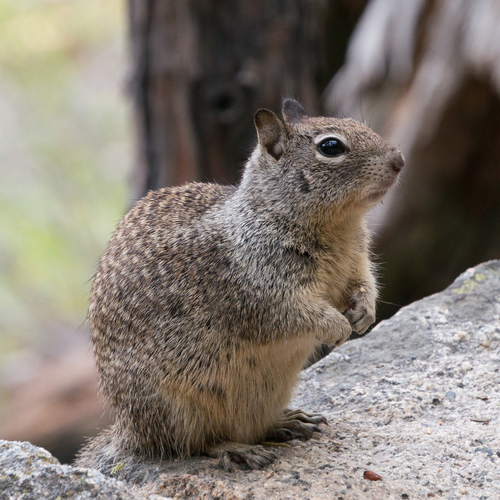
California, US
Hier kann man sehen California Ground Squirrel und Coast Cholla.
Führer anzeigen →
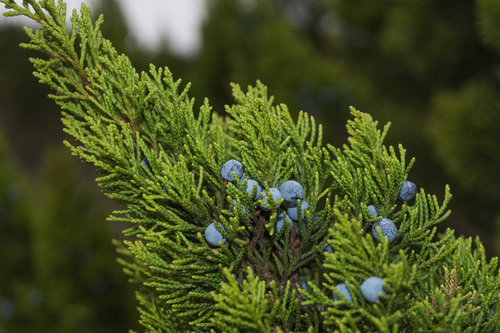
Texas, US
Hier kann man sehen Ashe Juniper, Texas Bluebonnet und Texas Live Oak.
Führer anzeigen →
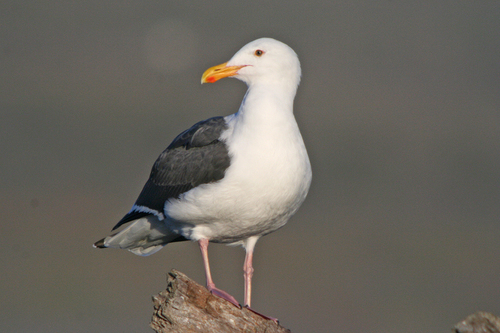
California, US
Hier kann man sehen Western Gull, Snowy Egret und Black Skimmer.
Führer anzeigen →

California, US
Hier kann man sehen Ochre Sea Star, Giant Green Anemone und Sunburst Anemone.
Führer anzeigen →

Mississippi, US
Hier kann man sehen Golden Club, Southern Cricket Frog und Dwarf Sundew.
Führer anzeigen →








.jpg&width=800)



