


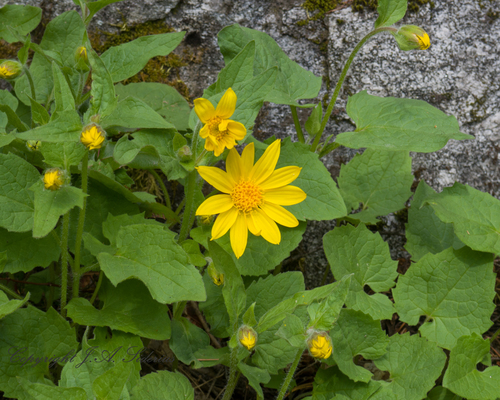
Sierra Nevada Peavine
Lathyrus nevadensis
The Sierra Nevada Peavine is a lovely flowering plant that grows in the mountains. It has pretty purple flowers that attract butterflies and bees, making it a special part of nature.
Lebensraum: Mountain regions
The Sierra Nevada Peavine is a climbing vine with delicate tendrils that help it grip. It has compound leaves with two to four leaflets and striking pea-like flowers, typically vibrant purplish-pink or magenta, sometimes lighter, clustered at the tips of stems.
Kategorie
PflanzenSeltenheit
Common
Gefahr
1/5 · Sehr gering
Snaps
Mach den ersten Snap!
Its scientific name, Lathyrus, comes from a Greek word meaning "pea" or "vetch"!
Like beans, this plant can improve soil by adding essential nutrients for other plants!
This wild peavine's seeds look like peas, but are not safe to eat!
Tiny pollen grains from its flowers often hitch rides on the backs of busy bumblebees!
Sierra Nevada Peavine can extend its slender tendrils to grip onto other plants or structures, helping it climb high for sunlight.
This plant has special root nodules that host bacteria, allowing it to "fix" nitrogen from the air and enrich the soil around it.
The Sierra Nevada Peavine develops pea-like pods that burst open when dry, flinging seeds far away to find new places to grow.
Apis mellifera
Gathering nectar and pollen for its hive.
Bombus melanopygus
A native bee that visits its vibrant flowers.
Odocoileus hemionus
Deer browse on its leaves and tender stems.
Rhizobium leguminosarum
Lives in root nodules, converting nitrogen for the plant.
Blütenpflanzen sind alle Pflanzen, die als Teil ihres Fortpflanzungszyklus Blüten bilden.
Beschreibt Organismen, die in der Lage sind, atmosphärischen Stickstoff in für Pflanzen nutzbare Verbindungen umzuwandeln.
Frühlingsblüher bilden ihre Blüten im Frühjahr und kündigen oft das Ende des Winters und den Beginn neuen Wachstums an.
Heilpflanzen besitzen chemische Verbindungen, die für therapeutische Zwecke zur Behandlung von Krankheiten oder zur Erhaltung der Gesundheit eingesetzt werden können.

Beschreibt Pflanzen, die für eine Vielzahl von bestäubenden Organismen besonders attraktiv und nützlich sind.

Farbenfroh beschreibt Organismen oder Objekte, die eine große Vielfalt an leuchtenden und deutlich erkennbaren Farben aufweisen.

Grasland-Lebensräume sind terrestrische Biome, die von Gräsern und krautigen Pflanzen dominiert werden und einer Vielzahl von Weidetieren als Lebensraum dienen.

Dieses Lebensraummerkmal kennzeichnet Arten, die in Bergregionen vorkommen, welche sich durch große Höhen, steile Hänge und unterschiedliche Klimazonen auszeichnen.

Der Status 'Stark gefährdet' bedeutet, dass eine Art in naher Zukunft einem sehr hohen Risiko ausgesetzt ist, in freier Wildbahn auszusterben.
Noch keine Alternativnamen vorhanden.
Gefahr
1/5 · Sehr gering
Always look but don't touch plants unless an adult says it's okay.
30-90 cm
45-120 cm
1-2.5 cm
Frühling, Sommer
Nein
Leicht
Mehrjährig
Insekten
Zoome hinein, um Cluster aufzulösen und zu sehen, wo dieses Objekt fotografiert wurde.
Neueste Snaps erscheinen hier, wenn neue Beobachtungen hinzukommen.













.jpg&width=800)