.jpg&width=800)





Solitary Sandpiper
Tringa solitaria
The Solitary Sandpiper is a small, wading bird that loves to explore wetlands and muddy shores. With its long legs and spotted belly, it looks for tasty insects and tiny fish to eat.
Lebensraum: Wetlands
The Solitary Sandpiper has a dark greenish-brown back speckled with fine white spots, a striking white belly, and a prominent white eye-ring. Its long, dark bill and yellowish-green legs make it distinct among shorebirds, especially its lack of white wing stripes in flight.
Kategorie
VögelSeltenheit
Common
Gefahr
1/5 · Sehr gering
Snaps
Mach den ersten Snap!
Its 'solitary' name is from migration, but they gather on wintering grounds.
These birds constantly bob their head and tail like a tiny rhythmic dancer.
They have super long toes for tip-toeing on floating pond plants!
This sandpiper is the only one that nests high up in old tree nests!
Solitary Sandpiper can wade in shallow waters because of its long legs that help them forage in muddy or vegetated wetlands.
Solitary Sandpiper has the unique ability to use old tree nests because it helps them avoid ground predators.
Solitary Sandpiper can blend into its wetland surroundings because of its spotted plumage that helps them hide from predators.
These birds slurp up tiny aquatic insects and other small critters from shallow water and mud!
Chironomus plumosus
Consumes larvae of this common insect from mud and water.
Falco peregrinus
Swift raptors may prey on them during their long migrations.
Turdus migratorius
Uses old abandoned nests of robins for laying eggs.
Gefiedert beschreibt Tiere, hauptsächlich Vögel, die ein Federkleid besitzen.
Mit Flecken oder farblich abgesetzten Bereichen gezeichnet.
Einzelgänger leben den größten Teil ihres Lebens allein und interagieren mit Artgenossen nur zur Paarung oder zur Aufzucht der Jungen.
Dieses Merkmal kennzeichnet Organismen, deren Nahrung hauptsächlich aus Insekten und anderen kleinen Wirbellosen besteht.

Dieses Lebensraummerkmal kennzeichnet Arten, die in Feuchtgebieten vorkommen. Dies sind Landflächen, die dauerhaft oder saisonal mit Wasser gesättigt sind, darunter Marschland, Sümpfe und Moore.

Küstenlebensräume sind dynamische Umgebungen an der Schnittstelle zwischen Land und Meer, die von Gezeiten, Wellen und Salzwasser geprägt sind.

Dieses Merkmal kennzeichnet Organismen, deren Ernährung vollständig oder hauptsächlich aus tierischem Gewebe besteht.

Süßwasserlebensräume umfassen nicht-salzige Gewässer wie Flüsse, Seen, Teiche und Feuchtgebiete, die für zahlreiche Arten lebenswichtig sind.

Tagaktive Tiere sind hauptsächlich bei Tageslicht aktiv und ruhen oder schlafen in der Regel nachts.

Wandertiere unternehmen saisonale Wanderungen von einer Region in eine andere, meist als Reaktion auf Klimaänderungen oder Nahrungsverfügbarkeit.
Noch keine Alternativnamen vorhanden.
Gefahr
1/5 · Sehr gering
Always watch birds from a distance so they feel safe and happy.
18-23 cm
39-42 cm
0.031-0.065 kg
4-10 Jahre
60 km/h
These birds slurp up tiny aquatic insects and other small critters from shallow water and mud!
Wetlands
Foraging
Zoome hinein, um Cluster aufzulösen und zu sehen, wo dieses Objekt fotografiert wurde.
Neueste Snaps erscheinen hier, wenn neue Beobachtungen hinzukommen.
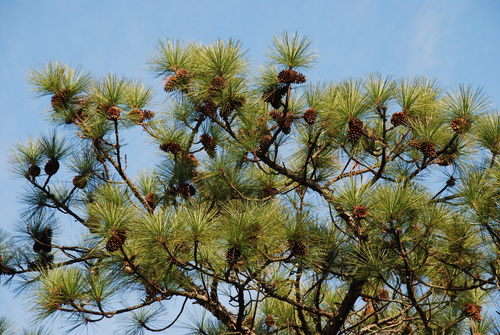
Virginia, US
Hier kann man sehen Pines, Common Milkweed und Sweetbay Magnolia.
Führer anzeigen →
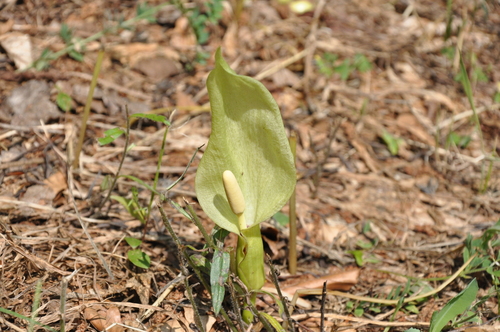
Virginia, US
Hier kann man sehen Italian Arum, Common Mugwort und Japanese Barberry.
Führer anzeigen →
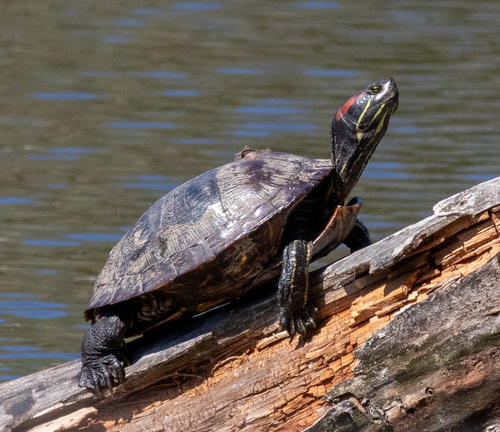
Illinois, US
Hier kann man sehen Pond Slider, Kanadareiher und Black-Crowned Night Heron.
Führer anzeigen →








_(14562557107).jpg&width=800)