






Thimbleberry Gall Wasp
Diastrophus kincaidii
The Thimbleberry Gall Wasp is a tiny insect that makes special homes called galls on thimbleberry plants. These galls look like little bumps and provide a safe place for the wasp's babies to grow.
Lebensraum: Forests
The Thimbleberry Gall Wasp is a tiny, dark-bodied insect, typically black or dark brown, with a shiny exoskeleton. Its small size and transparent wings distinguish it, but it's most often identified by the distinctive, often reddish or green, spindle-shaped galls it creates on thimbleberry stems.
Kategorie
InsektenSeltenheit
Common
Gefahr
1/5 · Sehr gering
Snaps
Mach den ersten Snap!
Each tiny wasp creates a unique living sculpture!
Galls can look like berries or strange plant potatoes!
Its larvae turn plant cells into a personal pantry!
Some gall wasps are all female, no dads needed!
Thimbleberry Gall Wasp can cleverly manipulate plants to grow protective homes called galls because of special chemicals it injects.
Thimbleberry Gall Wasp has a unique ability to trigger a specific plant response that helps them create safe nurseries for their young.
Thimbleberry Gall Wasp can inject powerful chemicals that force the host plant to grow a custom-designed, nutrient-rich shelter for its larvae.
Adults might sip nectar, but larvae get all their nutrition by consuming the plant tissue inside their gall homes.
Altersunterschiede: Larvae consume plant tissue inside galls; adults may feed on nectar or honeydew, or not feed at all.

Rubus parviflorus
Its larvae rely on this plant to grow their protective gall homes.
Torymus perplexus
Its larvae develop inside the Thimbleberry Gall Wasp's galls.

Cyanocitta stelleri
This bird sometimes pecks at galls to find the larvae inside.
Einzelgänger leben den größten Teil ihres Lebens allein und interagieren mit Artgenossen nur zur Paarung oder zur Aufzucht der Jungen.
Beschreibt Pflanzen, die für eine Vielzahl von bestäubenden Organismen besonders attraktiv und nützlich sind.
Dieses Merkmal kennzeichnet Lebewesen, deren Ernährung vollständig oder hauptsächlich aus pflanzlichem Material besteht.
Waldlebensräume sind terrestrische Lebensräume, die von dichtem Baumbestand dominiert werden und eine große Vielfalt an Pflanzen- und Tierarten beherbergen.

Bezieht sich auf Arten, die deutlich kleiner sind als der Durchschnitt oder das Typische ihrer Art.

Beschreibt Organismen, die Pollen übertragen und so die Befruchtung und Fortpflanzung von Pflanzen ermöglichen.
Noch keine Alternativnamen vorhanden.
Gefahr
1/5 · Sehr gering
It's best to look at these wasps from a distance and not touch them.
4-8 mm
2-4 mm
7-14 Tage
Adults might sip nectar, but larvae get all their nutrition by consuming the plant tissue inside their gall homes.
Forests
6
Zoome hinein, um Cluster aufzulösen und zu sehen, wo dieses Objekt fotografiert wurde.
Neueste Snaps erscheinen hier, wenn neue Beobachtungen hinzukommen.

British Columbia, CA
Hier kann man sehen Salal, Northern Red Belt und Western Sword Fern.
Führer anzeigen →
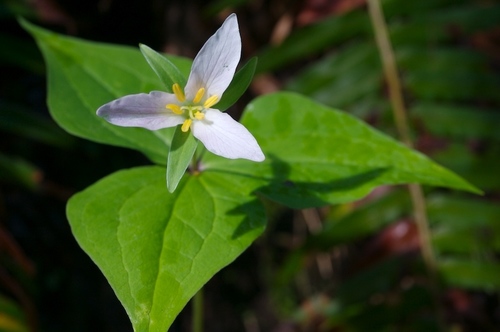
British Columbia, CA
Hier kann man sehen Pacific Trillium, Western Redcedar und Vanilla Leaf.
Führer anzeigen →
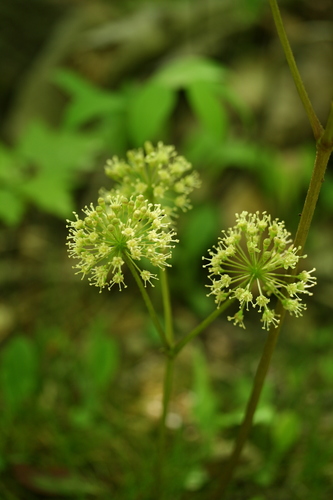
British Columbia, CA
Hier kann man sehen Wild Sarsaparilla, Thimbleberry und Oregon Boxwood.
Führer anzeigen →













