.jpg&width=800)





tree-of-heaven
Ailanthus altissima
The tree of heaven is a tall tree with big, green leaves that can grow very quickly! It has a strong smell that some people say is like burnt peanuts.
Lebensraum: Urban areas
The tree-of-heaven is a rapidly growing deciduous tree, often recognized by its long, compound leaves featuring 10-40 leaflets, each with a distinctive tooth and gland near the base. Its smooth, pale grey bark on young trees darkens and fissures with age, while its clusters of papery, reddish-brown winged seeds, called samaras, persist into winter.
Kategorie
PflanzenSeltenheit
Common
Gefahr
2/5 · Gering
Snaps
Mach den ersten Snap!
Certain moths, like the Ailanthus silkmoth, love eating its leaves!
Its wood is so soft and weak, it's not good for building!
One tree can make hundreds of thousands of seeds each year!
Some call it "ghetto palm" because it grows in tough city spots!
Tree-of-heaven can grow incredibly fast, shooting up several feet each year to outcompete other plants for sunlight.
Tree-of-heaven releases special chemicals from its roots that make it hard for other plants to grow nearby.
Tree-of-heaven can sprout new trees from its roots, quickly forming dense thickets even after being cut down.

Atteva aurea
Larvae feed on the leaves, sometimes defoliating the tree.
Samia cynthia
Its caterpillars feed exclusively on the leaves of Ailanthus.
Verticillium nonalfalfae
This fungus causes a lethal wilt disease, often used for biocontrol.
Apis mellifera
Honey bees are attracted to its nectar and pollen during bloom.
Laubabwerfende Pflanzen werfen regelmäßig all ihre Blätter ab, typischerweise im Herbst oder in Trockenzeiten.
Duftende Blüten verströmen ein angenehmes Aroma, oft um Bestäuber anzulocken oder zur Abwehr.
Laubbäume sind Bedecktsamer, die sich durch flache, breite Blätter auszeichnen, welche in gemäßigten Klimazonen typischerweise jährlich abgeworfen werden.
Beschreibt Pflanzen, die für eine Vielzahl von bestäubenden Organismen besonders attraktiv und nützlich sind.

Nutzholz bezeichnet Holz, das für die Verwendung im Bauwesen und in der Zimmerei aufbereitet wurde.

Schnellwachsende Pflanzen weisen eine beschleunigte Wachstumsrate auf und nehmen innerhalb kurzer Zeit schnell an Größe und Biomasse zu.

Dieses Merkmal kennzeichnet Organismen mit einer außergewöhnlich langen Lebensspanne im Vergleich zu anderen ihrer Art.

Dieses Lebensraummerkmal weist auf Arten hin, die in städtischen und vorstädtischen Umgebungen mit Menschen zusammenleben können und von Menschen geschaffene Strukturen sowie Grünflächen nutzen.

Invasive Arten sind gebietsfremde Organismen, die der Umwelt, der Wirtschaft oder der menschlichen Gesundheit schaden.
Gefahr
2/5 · Gering
Be careful not to touch the leaves too much, as they can sometimes irritate your skin.
1500-2500 cm
1000-1500 cm
0.5-1 cm
Sommer
Nein
Leicht
Mehrjährig
Insekten
Zoome hinein, um Cluster aufzulösen und zu sehen, wo dieses Objekt fotografiert wurde.
Neueste Snaps erscheinen hier, wenn neue Beobachtungen hinzukommen.

New York, US
Hier kann man sehen Höckerschwan, Ente und Haussperling.
Führer anzeigen →

Ohio, US
Hier kann man sehen Wanderdrossel, Weißwedelhirsch und Wanderfalke.
Führer anzeigen →

Massachusetts, US
Hier kann man sehen White Mulberry und Carolinataube.
Führer anzeigen →

Massachusetts, US
Hier kann man sehen Japanese Knotweed und Common Eastern Bumble Bee.
Führer anzeigen →
_(16639600986).jpg)
New York, US
Hier kann man sehen White Mulberry, Striped Greenhouse Slug und Tree-Of-Heaven.
Führer anzeigen →
New York, US
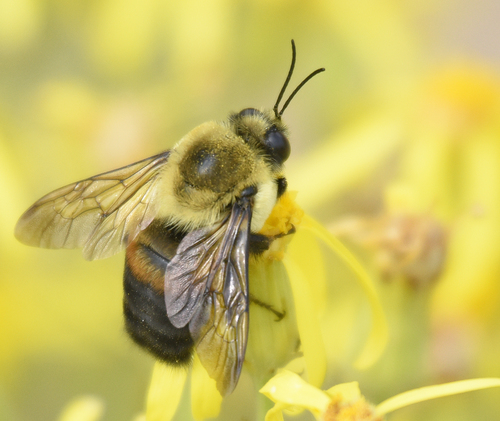
Hier kann man sehen Brown-Belted Bumble Bee und östliches Grauhörnchen.
Führer anzeigen →