
_(3-21-12)_78_circulo_montana%2C_patagonia_lake_ranch_estates%2C_scc%2C_az_(1)_(9423416184).jpg&width=800)





Two-tailed Swallowtail
Papilio multicaudata
The Two-tailed Swallowtail is a beautiful butterfly with bright yellow wings and black markings. It has two long tails that look like little streamers, making it very special and fun to see fluttering around flowers.
Lebensraum: Forests
The Two-tailed Swallowtail is a large, bright yellow butterfly marked with bold black stripes and dark wing margins. Its hindwings famously feature two prominent tail-like extensions and striking blue and orange spots near these tails, making it visually distinct.
Kategorie
InsektenSeltenheit
Common
Gefahr
1/5 · Sehr gering
Snaps
Mach den ersten Snap!
It's the state insect of Colorado, but lives in many other places too!
Its name comes from having two 'tails' on each hindwing, making it easy to identify!
This butterfly loves the sun and often 'basks' with its wings open to warm up!
Young caterpillars look like bird droppings to hide from hungry birds!
Two-tailed Swallowtail has hindwing 'tails' that help them trick predators into attacking a less vital part of their body, allowing escape.
Two-tailed Swallowtail larvae can pop out an orange, Y-shaped osmeterium that emits a foul smell to scare away predators.
Two-tailed Swallowtail caterpillars can mimic bird droppings when young, which helps them hide from hungry predators.
Adults sip nectar from flowers; caterpillars munch on tree leaves.
Altersunterschiede: Larvae eat leaves, while adults only drink flower nectar.

Prunus virginiana
Larvae feed on its leaves for growth.
Syringa vulgaris
Adults drink nectar, helping to spread pollen.

Cyanocitta stelleri
Birds prey on both caterpillars and adult butterflies.
Luftbewohnende Tiere verbringen einen erheblichen Teil ihres Lebens in der Luft und nutzen den Flug für verschiedene Aktivitäten wie Jagd, Wanderungen oder Nestbau.
Beschreibt Pflanzen, die für eine Vielzahl von bestäubenden Organismen besonders attraktiv und nützlich sind.
Farbenfroh beschreibt Organismen oder Objekte, die eine große Vielfalt an leuchtenden und deutlich erkennbaren Farben aufweisen.
Dieses Merkmal kennzeichnet Lebewesen, deren Ernährung vollständig oder hauptsächlich aus pflanzlichem Material besteht.

Waldlebensräume sind terrestrische Lebensräume, die von dichtem Baumbestand dominiert werden und eine große Vielfalt an Pflanzen- und Tierarten beherbergen.

Tagaktive Tiere sind hauptsächlich bei Tageslicht aktiv und ruhen oder schlafen in der Regel nachts.

Beschreibt Organismen, die Pollen übertragen und so die Befruchtung und Fortpflanzung von Pflanzen ermöglichen.
Noch keine Alternativnamen vorhanden.
Gefahr
1/5 · Sehr gering
Always watch butterflies from a distance to keep them safe.
70-100 mm
25-35 mm
10-14 Tage
18 km/h
Adults sip nectar from flowers; caterpillars munch on tree leaves.
Forests
Foraging
6
Zoome hinein, um Cluster aufzulösen und zu sehen, wo dieses Objekt fotografiert wurde.
Neueste Snaps erscheinen hier, wenn neue Beobachtungen hinzukommen.
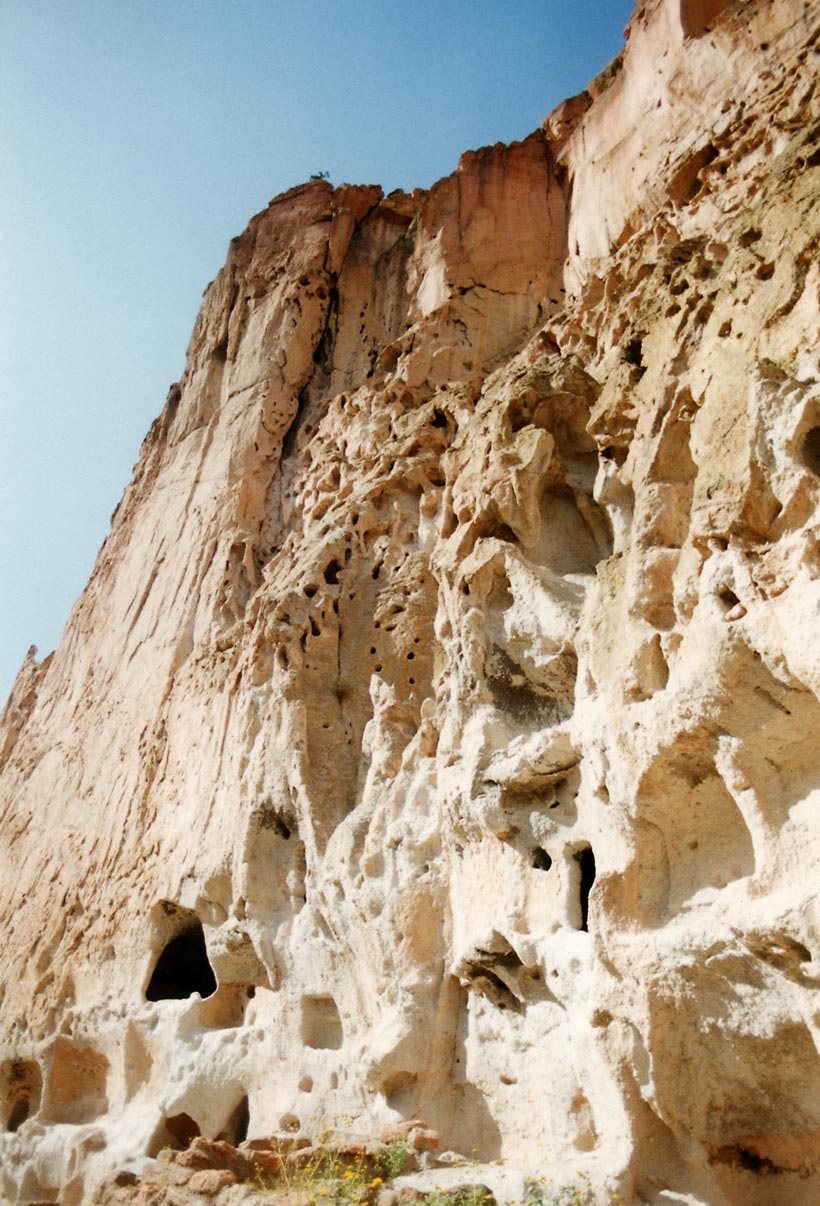
New Mexico, US
Hier kann man sehen Tree Cholla, Maultierhirsch und Sacred Datura.
Führer anzeigen →

Wyoming, US
Hier kann man sehen Präriehund, Bur Oak und Rocky Mountains Ponderosa Pine.
Führer anzeigen →




.jpg&width=800)


.jpg&width=800)



.jpg&width=800)
