Two-Toed Sloths
Choloepus
Two-toed sloths are slow-moving animals that love to hang upside down in trees. They have long arms and can sleep for up to 20 hours a day, making them one of the laziest animals in the world!
Lebensraum: Forests
The Two-Toed Sloths have shaggy, grey-brown fur often tinged green from algae, helping them blend with trees. They possess large, dark eyes, a small snout, and distinctively have two prominent claws on their front limbs, unlike their three-toed relatives.
Kategorie
SäugetiereSeltenheit
Common
Gefahr
1/5 · Sehr gering
Snaps
Mach den ersten Snap!
It takes sloths nearly a month to digest a single meal, making them very efficient!
Sloth claws are so strong, they can remain hanging in a tree even after they die!
Sloths have more neck bones than giraffes, letting them turn their heads nearly 270 degrees!
They can sleep for up to 20 hours a day, hanging completely upside down!
Two-Toed Sloths can move incredibly slowly, which helps them avoid detection by sharp-eyed predators like jaguars and harpy eagles.
Two-Toed Sloths have coarse fur that supports algae growth, helping them blend perfectly into the green, leafy canopy of their habitat.
Two-Toed Sloths can swim surprisingly well and hold their breath for a long time, helping them cross rivers safely.
They are slow-moving leaf-eaters, munching on leaves, buds, and fruits high in the trees.
Harpia harpyja
A major predator of sloths from the sky.
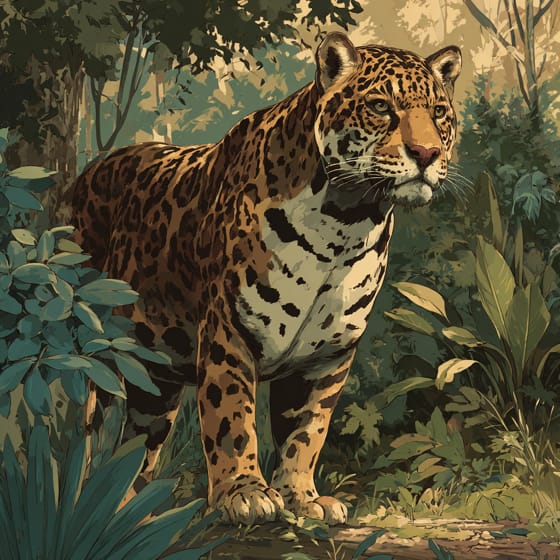
Panthera onca
Hunts sloths by climbing trees or ambushing them.
Trichophilus welckeri
Lives in sloth fur, providing camouflage and nutrients.
Cecropia peltata
Sloths often eat the leaves and buds of this tree.
Pelzig beschreibt Tiere, die eine dichte Schicht aus weichen Haaren oder Fell besitzen.
Einzelgänger leben den größten Teil ihres Lebens allein und interagieren mit Artgenossen nur zur Paarung oder zur Aufzucht der Jungen.
Baumbewohnende Tiere leben hauptsächlich in Bäumen und nutzen diese als Unterschlupf, Nahrungsquelle und zum Schutz vor Raubtieren.
Dieses Merkmal kennzeichnet Lebewesen, deren Ernährung vollständig oder hauptsächlich aus pflanzlichem Material besteht.

Waldlebensräume sind terrestrische Lebensräume, die von dichtem Baumbestand dominiert werden und eine große Vielfalt an Pflanzen- und Tierarten beherbergen.

Der Status 'Stark gefährdet' bedeutet, dass eine Art in naher Zukunft einem sehr hohen Risiko ausgesetzt ist, in freier Wildbahn auszusterben.
Noch keine Alternativnamen vorhanden.
Gefahr
1/5 · Sehr gering
Sloths are not pets and should be admired from a distance in the wild.
55-75 cm
4-8 kg
15-40 Jahre
0.24 km/h
They are slow-moving leaf-eaters, munching on leaves, buds, and fruits high in the trees.
Forests
Foraging
1
Zoome hinein, um Cluster aufzulösen und zu sehen, wo dieses Objekt fotografiert wurde.
Neueste Snaps erscheinen hier, wenn neue Beobachtungen hinzukommen.