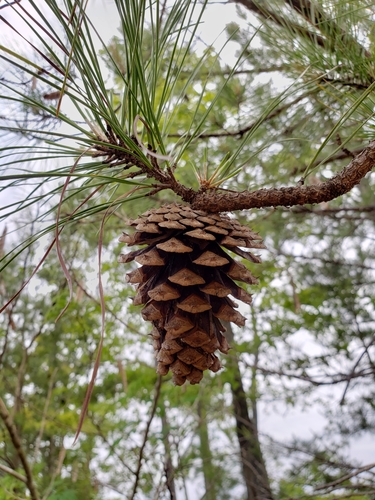
Walnuts
juglans
Walnuts are delicious nuts that grow inside hard shells. They are a great snack for both kids and animals!
Lebensraum: Walnuts grow in forests and orchards, where they get plenty of sunlight and space.
The Walnuts is a large, deciduous tree with broad, spreading branches and pinnately compound leaves. Its characteristic fruit is a round or oval nut encased in a hard, woody shell, often with deep ridges.
Kategorie
PflanzenSeltenheit
Common
Gefahr
0/5 · Keine bekannte Gefahr
Snaps
Mach den ersten Snap!
Ancient Romans called walnuts 'Jupiter's Royal Acorn' for their rich taste!
The green outer husk of a walnut can be used to make natural dyes!
The wrinkly shape of a walnut kernel famously resembles a tiny brain!
Walnut trees can live for hundreds of years, some over a century!
Walnuts release a chemical called juglone from their roots and husks that can inhibit the growth of nearby competing plants, helping them dominate their space.
Walnuts have an extremely hard shell that protects the nutritious kernel inside from being easily eaten by predators before it can sprout.
Walnuts produce high-fat, high-protein nuts that provide vital energy for animals, encouraging them to disperse the seeds far and wide.
Sciurus carolinensis
Cracks and eats walnut nuts
Corvus brachyrhynchos
Drops walnuts to crack them open
Rhagoletis completa
Larvae feed inside the walnut husk
Phyllocoptes juglandis
Causes galls on walnut leaves
Baumbewohnende Tiere leben hauptsächlich in Bäumen und nutzen diese als Unterschlupf, Nahrungsquelle und zum Schutz vor Raubtieren.
Dieses Merkmal kennzeichnet Lebewesen, deren Ernährung vollständig oder hauptsächlich aus pflanzlichem Material besteht.
Waldlebensräume sind terrestrische Lebensräume, die von dichtem Baumbestand dominiert werden und eine große Vielfalt an Pflanzen- und Tierarten beherbergen.
Beschreibt Organismen, die totes organisches Material abbauen und Nährstoffe in das Ökosystem zurückführen.

Tagaktive Tiere sind hauptsächlich bei Tageslicht aktiv und ruhen oder schlafen in der Regel nachts.
Gefahr
0/5 · Keine bekannte Gefahr
Always ask an adult before eating any nuts.
1500-4000 cm
1000-2000 cm
0.5-2 cm
Frühling
Ja
Keine
Mehrjährig
Wind
Zoome hinein, um Cluster aufzulösen und zu sehen, wo dieses Objekt fotografiert wurde.
Neueste Snaps erscheinen hier, wenn neue Beobachtungen hinzukommen.