Western Deer Mouse
Peromyscus sonoriensis
The Western Deer Mouse is a small, friendly mouse with big ears and a long tail. They love to explore and can be found in many different places, making them fun to spot in nature!
Lebensraum: Grasslands
The Western Deer Mouse has soft fur that is grayish-brown on its back and sides, contrasting sharply with a bright white belly and feet. It has large, dark eyes and prominent ears, with a distinctly bicolored tail that is dark on top and light underneath.
Kategorie
SäugetiereSeltenheit
Common
Gefahr
1/5 · Sehr gering
Snaps
Mach den ersten Snap!
A Western Deer Mouse can twitch its nose up to 12 times a second to smell better!
Mother deer mice often build cozy, cup-shaped nests using plant fibers and soft fur.
Their bicolored tail acts like a rudder, helping them balance when running and climbing.
These mice can adapt to almost any habitat, from deserts to snowy mountains!
Western Deer Mouse has a highly sensitive nose that helps them find hidden seeds and detect predators, even in the dark.
Western Deer Mouse has large eyes that collect more light, giving them excellent vision to navigate and find food at night.
Western Deer Mouse can jump surprisingly high and far because of their strong hind legs, helping them escape danger quickly.
These omnivores munch on seeds, nuts, and berries, but also enjoy a snack of insects!
Bubo virginianus
A common nocturnal predator of the deer mouse.
Canis latrans
Hunts these small rodents as part of its varied diet.
Pituophis catenifer
Ambush predator that eats small mammals, including mice.
Pelzig beschreibt Tiere, die eine dichte Schicht aus weichen Haaren oder Fell besitzen.
Soziale Tiere leben in organisierten Gruppen und kooperieren, um ihr Überleben zu sichern, beispielsweise bei der Nahrungssuche, Verteidigung und Aufzucht der Jungen.
Dieses Merkmal kennzeichnet Organismen, deren Ernährung sowohl pflanzliche als auch tierische Bestandteile umfasst.
Grasland-Lebensräume sind terrestrische Biome, die von Gräsern und krautigen Pflanzen dominiert werden und einer Vielzahl von Weidetieren als Lebensraum dienen.

Nachtaktive Tiere sind hauptsächlich in den Nachtstunden aktiv und ruhen oder schlafen normalerweise tagsüber.
Noch keine Alternativnamen vorhanden.
Gefahr
1/5 · Sehr gering
If you see a mouse, it's best to watch from a distance and not try to touch it.
14-22 cm
0.015-0.03 kg
1-2 Jahre
10 km/h
These omnivores munch on seeds, nuts, and berries, but also enjoy a snack of insects!
Grasslands
Foraging
3-7
Zoome hinein, um Cluster aufzulösen und zu sehen, wo dieses Objekt fotografiert wurde.
Neueste Snaps erscheinen hier, wenn neue Beobachtungen hinzukommen.

British Columbia, CA
Hier kann man sehen Broad-Leaved Stonecrop, Western Skunk Cabbage und Salal.
Führer anzeigen →
British Columbia, CA
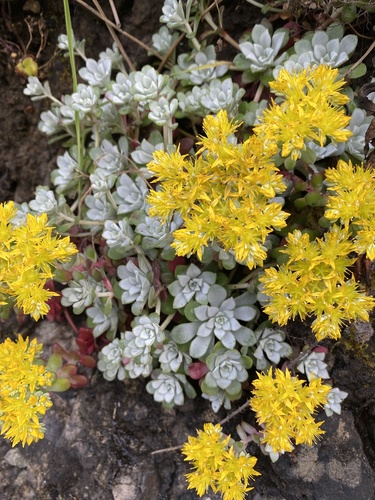
Hier kann man sehen Broad-Leaved Stonecrop und Littleleaf Silverback.
Führer anzeigen →