






Western Sea Slater
ligia occidentalis
The Western Sea Slater is a small, lively creature that loves to scuttle around on rocky shores. They are great at hiding in tiny crevices and are fun to watch as they explore their coastal homes!
Lebensraum: Rocky shores and tide pools along the coast.
The Western Sea Slater is a flattened, oval-shaped invertebrate with a segmented, dull grey or mottled brown body. It has long, slender antennae and many legs, allowing it to scurry quickly over rocks. Its coloration helps it blend perfectly with coastal environments.
Kategorie
InvertebrateSeltenheit
Common
Gefahr
0/5 · Keine bekannte Gefahr
Snaps
Mach den ersten Snap!
Sea slaters have huge compound eyes, like a fly's, for great vision!
These speedy critters can run backwards just as fast as forwards!
They are more closely related to terrestrial pillbugs than to crabs!
They can sense changes in the tide, knowing when to climb higher!
Western Sea Slater can move incredibly fast over rocks because of its numerous legs, helping them escape predators in a flash.
Western Sea Slater has specialized gills that allow them to breathe even when out of water, helping them survive low tide for hours.
Western Sea Slater is most active at night, which helps them avoid daytime predators and find food more safely in the dark.
Nature's clean-up crew, munching on decaying plants and tiny bits of algae along the shore!

Actitis macularius
A quick meal for shorebirds.

Pachygrapsus crassipes
Crabs snatch them from rocks.
Ulva lactuca
Consumes decaying bits of this green alga.
Fucus gardneri
Feeds on dead or dying strands of this seaweed.
Einzelgänger leben den größten Teil ihres Lebens allein und interagieren mit Artgenossen nur zur Paarung oder zur Aufzucht der Jungen.
Beschreibt Organismen, die totes organisches Material abbauen und Nährstoffe in das Ökosystem zurückführen.
Küstenlebensräume sind dynamische Umgebungen an der Schnittstelle zwischen Land und Meer, die von Gezeiten, Wellen und Salzwasser geprägt sind.
Tagaktive Tiere sind hauptsächlich bei Tageslicht aktiv und ruhen oder schlafen in der Regel nachts.

Marine Lebensräume umfassen alle Salzwasserumgebungen der Ozeane der Erde und beherbergen eine immense Vielfalt an Wasserlebewesen.
Gefahr
0/5 · Keine bekannte Gefahr
Noch keine besonderen Sicherheitshinweise.
3.5 cm
2 Jahre
5 km/h
Nature's clean-up crew, munching on decaying plants and tiny bits of algae along the shore!
Rocky shores and tide pools along the coast.
Scavenging
Zoome hinein, um Cluster aufzulösen und zu sehen, wo dieses Objekt fotografiert wurde.
Neueste Snaps erscheinen hier, wenn neue Beobachtungen hinzukommen.

British Columbia, CA
Hier kann man sehen Broad-Leaved Stonecrop, Seehund und Ochre Sea Star.
Führer anzeigen →
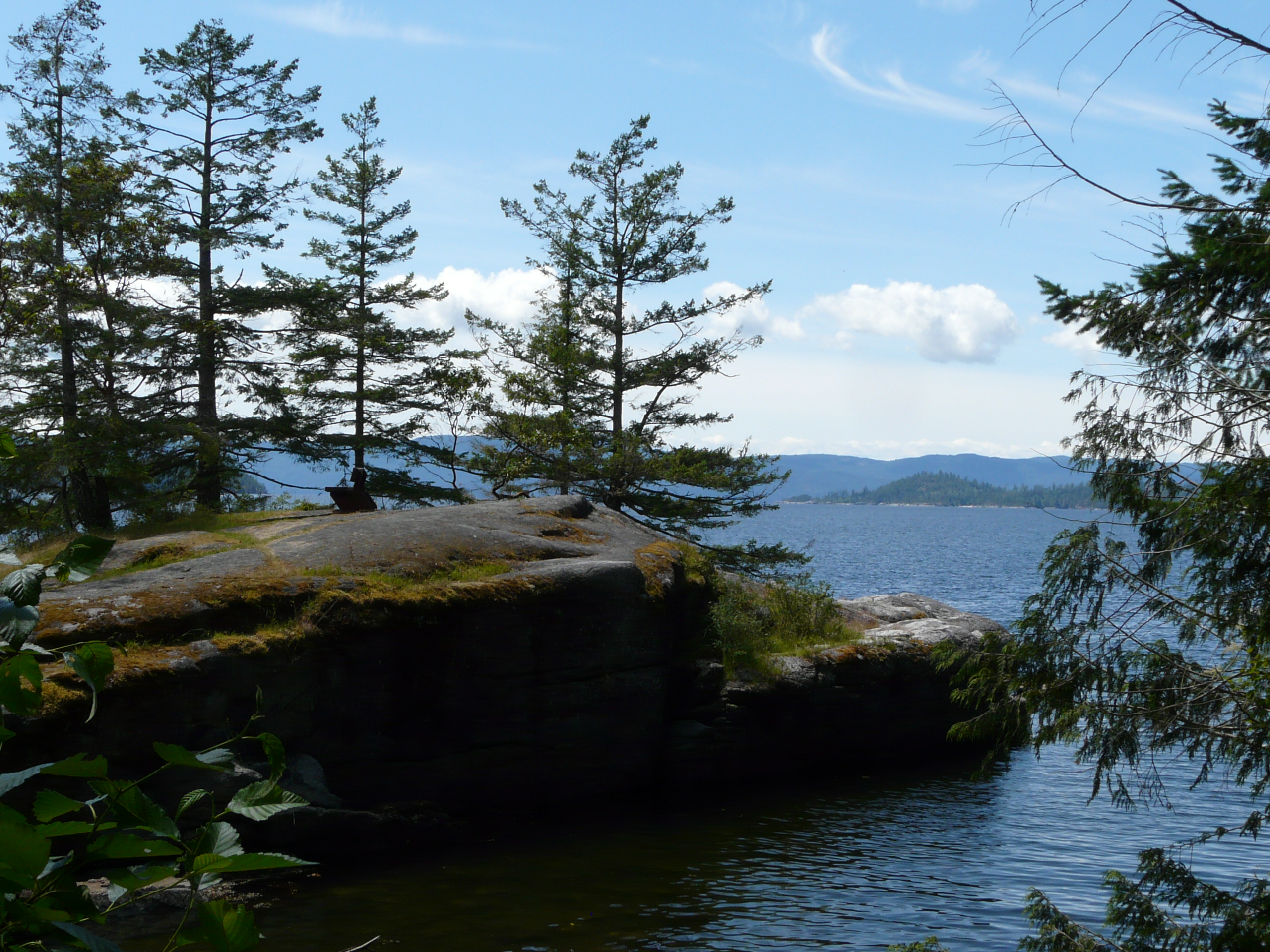
British Columbia, CA
Hier kann man sehen Ochre Sea Star und Yellow Shore Crab.
Führer anzeigen →
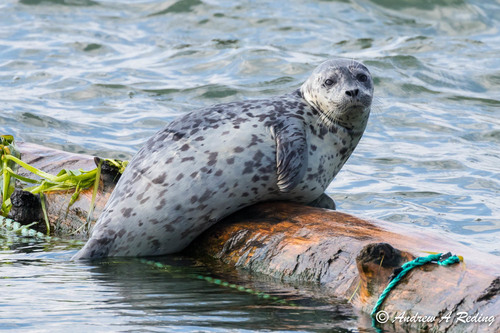
British Columbia, CA
Hier kann man sehen Seehund, Evergreen Huckleberry und Alumroots.
Führer anzeigen →















