
.jpg&width=800)





white baneberry
Actaea pachypoda
White baneberry is a pretty plant with white berries that look like little pearls! It grows in shady forests and is loved by many creatures, but it's important to be careful around it.
Lebensraum: Forests
The white baneberry has striking clusters of bright white berries, each with a distinctive dark "pupil" scar, making them resemble doll's eyes. It features small, fuzzy white flowers in spring, followed by these unique berries held on thick, often reddish stalks.
Kategorie
PflanzenSeltenheit
Common
Gefahr
5/5 · Extrem
Snaps
Mach den ersten Snap!
Also called "Doll's Eyes," its berries truly resemble tiny porcelain doll eyes. Cool!
Eating just six white baneberry berries can be fatal to a human! Wow!
Native Americans once used small amounts of its roots as a powerful heart medicine. Amazing!
The plant's berries contain a fast-acting toxin that quickly slows the heart if ingested. Scary!
White baneberry has highly poisonous berries and leaves, protecting it from most animals who might try to eat it.
Its bright white berries with dark tips look like eyes, possibly warning predators to stay away from the plant.
This plant has strong perennial roots that help stabilize forest soil and prevent erosion in its woodland habitat.
Bombus impatiens
Visits flowers to collect nectar and pollen, aiding reproduction.
Turdus migratorius
Eats berries, unaffected by toxins, dispersing seeds to new areas.
Apis mellifera
Collects nectar and pollen, assisting in plant reproduction.
Blütenpflanzen sind alle Pflanzen, die als Teil ihres Fortpflanzungszyklus Blüten bilden.
Laubabwerfende Pflanzen werfen regelmäßig all ihre Blätter ab, typischerweise im Herbst oder in Trockenzeiten.
Frühlingsblüher bilden ihre Blüten im Frühjahr und kündigen oft das Ende des Winters und den Beginn neuen Wachstums an.
Schattenverträgliche Pflanzen sind an das Wachstum und Gedeihen in Bereichen mit wenig Licht angepasst und benötigen weniger direkte Sonneneinstrahlung.

Fruchttragende Pflanzen produzieren Früchte, also die reifen Fruchtknoten von Blütenpflanzen, die Samen enthalten.

Heilpflanzen besitzen chemische Verbindungen, die für therapeutische Zwecke zur Behandlung von Krankheiten oder zur Erhaltung der Gesundheit eingesetzt werden können.

Waldlebensräume sind terrestrische Lebensräume, die von dichtem Baumbestand dominiert werden und eine große Vielfalt an Pflanzen- und Tierarten beherbergen.

Giftige Organismen produzieren Toxine, die beim Verschlucken, Einatmen oder durch Kontakt schädlich sein können.

Der Status 'Stark gefährdet' bedeutet, dass eine Art in naher Zukunft einem sehr hohen Risiko ausgesetzt ist, in freier Wildbahn auszusterben.
Noch keine Alternativnamen vorhanden.
Gefahr
5/5 · Extrem
Never touch or eat the berries, as they can make you very sick.
30-90 cm
30-60 cm
0.5-1 cm
Late spring to early summer
Nein
Deadly
Mehrjährig
Insekten
Zoome hinein, um Cluster aufzulösen und zu sehen, wo dieses Objekt fotografiert wurde.
Neueste Snaps erscheinen hier, wenn neue Beobachtungen hinzukommen.
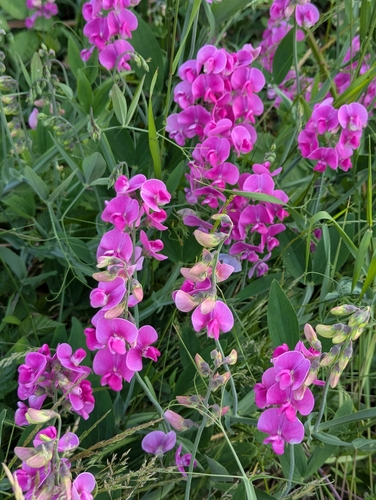
Michigan, US
Hier kann man sehen Broad-Leaved Sweet Pea, Garlic Mustard und White Baneberry.
Führer anzeigen →
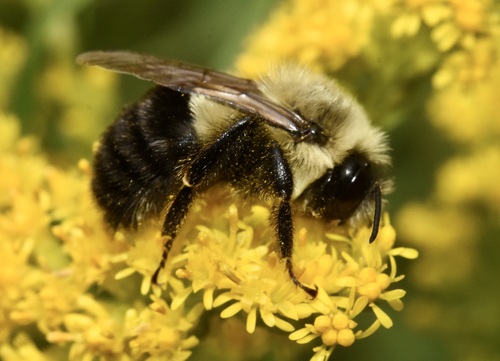
Michigan, US
Hier kann man sehen Common Eastern Bumble Bee und Brown-Belted Bumble Bee.
Führer anzeigen →














.jpg&width=800)

