



Amanita muscaria
Amanita muscaria
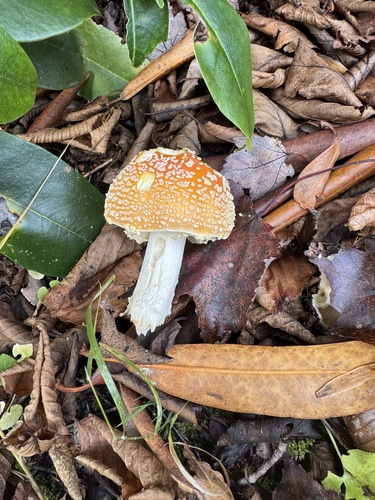
La Amanita muscaria es un hongo colorido con sombreros de color rojo brillante cubiertos de manchas blancas. A menudo se encuentra en bosques y áreas boscosas, añadiendo un toque mágico al entorno.
Hábitat: Bosques
La Amanita muscaria tiene un llamativo sombrero de color rojo brillante o rojo anaranjado adornado con manchas distintivas de color blanco o amarillento en forma de escama. Se asienta sobre un tallo blanco que presenta un prominente anillo en forma de falda y una base bulbosa, lo que la hace visualmente distinta de la mayoría de otros hongos.
Categoría
HongosRareza
Common
Peligro
3/5 · Moderado
Snaps
8
¡Las culturas antiguas a veces lo usaban en ceremonias especiales, creyendo que los conectaba con los espíritus!
¡Sus manchas blancas son restos de un "velo universal" que una vez envolvió todo el hongo joven!
¡El famoso hongo de Super Mario Bros. se inspiró en este hongo de la vida real!
¡Este hongo crece en todo el mundo, desde tundras nevadas hasta bosques templados!
La Amanita muscaria forma un vínculo especial con las raíces de los árboles, ayudándoles a absorber nutrientes del suelo.
La Amanita muscaria tiene colores brillantes y químicos únicos que advierten a los animales que no es segura para comer.
La Amanita muscaria libera diminutas esporas al aire, que flotan para comenzar nuevas colonias de hongos.
Betula pendula
Comparte nutrientes a través de las raíces.
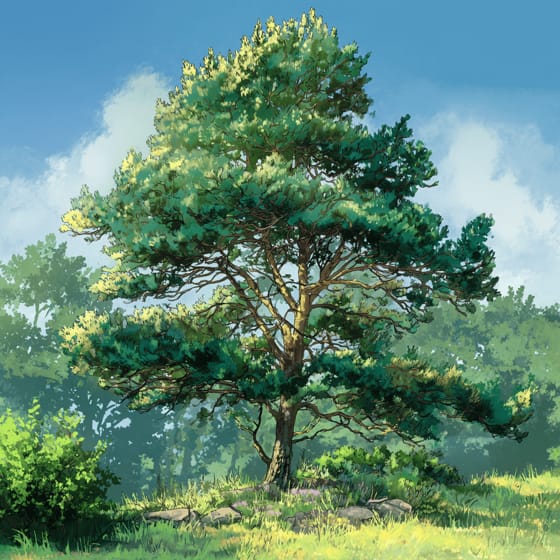
Pinus sylvestris
Forma conexiones radiculares beneficiosas.
Picea abies
Intercambia azúcares por minerales.
Marcado con manchas o parches de un color diferente.
Este rasgo describe una relación simbiótica entre un hongo y las raíces de una planta, beneficiando a ambos organismos.
Las plantas caducifolias pierden periódicamente todas sus hojas, por lo general durante el otoño o las estaciones secas.
Colorido describe a organismos u objetos que exhiben una amplia variedad de colores brillantes y distintivos.

Los hábitats boscosos son entornos terrestres dominados por una densa cubierta arbórea, que sustentan una gran diversidad de vida animal y vegetal.

Posee proyecciones puntiagudas y afiladas o espinas en el cuerpo o en la superficie.

Este rasgo indica que los organismos pertenecen a un grupo evolutivo muy antiguo con antepasados que se remontan a millones de años.

Los organismos venenosos producen toxinas que pueden causar daño si se ingieren, inhalan o absorben por contacto.
Peligro
3/5 · Moderado
Nunca toques ni comas ningún hongo que encuentres en la naturaleza sin el permiso de un adulto.
La forma más fácil de identificar a Amanita muscaria es usar la aplicación de identificación de naturaleza Snappit.
5-20 cm
poisonous
8-20 cm
Bosques
soil
Late summer to fall
White
Acércate para separar los grupos y explorar dónde se ha fotografiado este objeto.
26 oct 2025
Bear Meadows Natural AreaFuente abierta (iNaturalist) ↗
Créditos de la foto
(c) SiphonophoreSlinger, some rights reserved (CC BY)
Licencia: CC BY 4.0 ↗
La imagen puede mostrarse recortada dentro del marco de la carta.

Pennsylvania, US
Puedes ver Monótropa, Gran Rododendro y Laurel De Montaña.
Ver guía →

Ohio, US
Puedes ver Abejorro Oriental Común, Rudbeckia y Abeja.
Ver guía →

New Jersey, US
Puedes ver Mariposa Tigre Oriental y Salamandra De Dorso Rojo Oriental.
Ver guía →

Alaska, US
Puedes ver Alce, Matamoscas y águila Calva.
Ver guía →

New Jersey, US
Puedes ver Mariposa Tigre Oriental y Salamandra De Dorso Rojo Oriental.
Ver guía →

Pennsylvania, US
Puedes ver Vellosilla Naranja y Polilla De Penacho Del Nogal.
Ver guía →
Llévate el descubrimiento
Haz una foto con Snappit, identifica la especie y guarda el hallazgo en tu colección.