American Giant Millipede Complex
narceus americanus
The American Giant Millipede is a fascinating creature that can have over 400 legs! These colorful critters curl up into a ball when they feel threatened.
Hábitat: They live in warm, moist environments like forests and leaf litter.
The American Giant Millipede Complex is a long, cylindrical invertebrate, typically dark brown to black with reddish-orange bands on its segments. It has many pairs of tiny legs along its body, giving it a segmented, worm-like appearance.
Categoría
InvertebrateRareza
Common
Peligro
0/5 · Sin peligro conocido
Snaps
¡Sé la primera persona en hacer un snap!
A baby millipede is born with only a few legs and gains more as it grows!
Millipedes are ancient; some fossil species grew over two meters long!
They move their legs in a smooth, wave-like motion, like a slow ripple.
Unlike centipedes, millipedes eat decaying plants, not other animals.
American Giant Millipede Complex can secrete a stinky, irritating liquid to ward off predators because of glands along its body.
American Giant Millipede Complex can coil its body tightly into a spiral to protect its soft underside from danger.
American Giant Millipede Complex has hundreds of tiny legs that help them push through soil and leaf litter with ease.
They are nature's recyclers, munching on dead leaves and decaying plants!
Diferencias por edad: null
Turdus migratorius
A common bird that preys on millipedes.

Peromyscus leucopus
Small rodent that sometimes consumes millipedes.
Quercus alba
Helps decompose fallen leaves from this tree.
Los animales solitarios viven solos durante la mayor parte de su vida y solo interactúan con otros para aparearse o cuidar de sus crías.
Este rasgo caracteriza a los organismos cuya dieta consiste total o principalmente en material vegetal.
Los hábitats boscosos son entornos terrestres dominados por una densa cubierta arbórea, que sustentan una gran diversidad de vida animal y vegetal.
Describe a los organismos que descomponen la materia orgánica muerta, reciclando los nutrientes de vuelta al ecosistema.

Los animales nocturnos están principalmente activos durante la noche, y suelen descansar o dormir durante el día.
Peligro
0/5 · Sin peligro conocido
These millipedes are harmless and great to observe but should not be handled.
7 cm
3 años
They are nature's recyclers, munching on dead leaves and decaying plants!
They live in warm, moist environments like forests and leaf litter.
Foraging
200
Acércate para separar los grupos y explorar dónde se ha fotografiado este objeto.
Los snaps recientes aparecerán aquí a medida que se añadan nuevas observaciones.
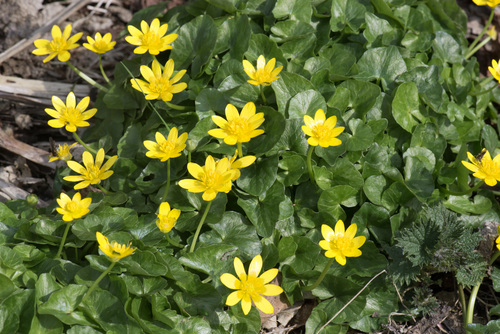
Virginia, US
Puedes ver Lesser Celandine, Amur Honeysuckle y Ciervo De Cola Blanca.
Ver guía →
_Filene_Center_outside.jpg)
Virginia, US
Puedes ver False Milkweed Bug, Laurel De Montaña y Eastern Skunk Cabbage.
Ver guía →
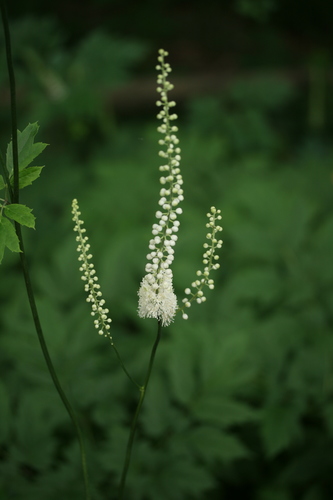
Virginia, US
Puedes ver Black Cohosh, Common Coral Slime y Rue Anemone.
Ver guía →
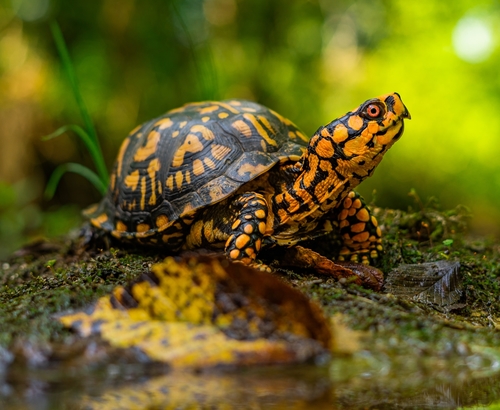
Virginia, US
Puedes ver Tortuga De Caja Oriental, True Sedges y True Lilies.
Ver guía →