






American Lady
Vanessa virginiensis
The American Lady is a beautiful butterfly with orange and black wings. They love to flutter around gardens and fields, sipping nectar from flowers.
Hábitat: Gardens and fields
The American Lady has vibrant orange wings patterned with black and white spots. Its hindwings feature two to four large, striking blue spots, visible on the underside. The forewings have a distinct white patch near the wingtip, making it visually different from similar painted lady butterflies.
Categoría
InsectosRareza
Common
Peligro
1/5 · Muy bajo
Snaps
¡Sé la primera persona en hacer un snap!
Adult American Ladies are often seen 'puddling,' sipping mineral-rich water from damp soil.
American Lady caterpillars build clever silk 'tents' for safe shelter on their host plants!
These butterflies are one of the earliest butterflies to appear in spring!
They use their special straw-like proboscis to sip sweet nectar from various flowers.
American Lady can fly hundreds of miles each season because of their strong wings, helping them find food and warm weather.
American Lady has mottled brown and grey hindwings that help them blend perfectly into tree bark or dead leaves, avoiding hungry birds.
American Lady has bright blue 'eyespots' on their lower wings that can surprise predators, giving them a chance to escape quickly.
American Lady caterpillars can eat plants like Pearly Everlasting, which are toxic to many other creatures.
Adults sip nectar; caterpillars munch on leaves, especially thistle and everlasting plants!
Diferencias por edad: Larvae (caterpillars) eat plant leaves, while adults drink flower nectar using a long proboscis.

Anaphalis margaritacea
Caterpillars feed on its leaves.
Cirsium arvense
A primary food source for caterpillars.
.jpg&width=800)
Symphyotrichum novae-angliae
Adults drink nectar, aiding pollination.
Cyanocitta cristata
Birds are common predators of adult butterflies.
Argiope aurantia
Butterflies can get caught in their webs.
Marcado con manchas o parches de un color diferente.
Colorido describe a organismos u objetos que exhiben una amplia variedad de colores brillantes y distintivos.
Este rasgo caracteriza a los organismos cuya dieta consiste total o principalmente en material vegetal.
Describe plantas que son particularmente atractivas y beneficiosas para una amplia variedad de organismos polinizadores.

Los hábitats de pastizales son biomas terrestres dominados por pastos y plantas herbáceas, que sustentan a una variedad de animales de pastoreo.

Los animales diurnos están activos principalmente durante el día y suelen descansar o dormir por la noche.

Los animales migratorios emprenden movimientos estacionales de una región a otra, típicamente en respuesta a cambios en el clima o la disponibilidad de alimentos.

Esta característica de hábitat indica especies que pueden coexistir con los humanos en entornos urbanos y suburbanos, utilizando estructuras artificiales y espacios verdes.

Describe organismos que transfieren polen, permitiendo la fertilización y reproducción de las plantas.
Peligro
1/5 · Muy bajo
Always watch butterflies from a distance and don't try to catch them.
45-70 mm
19-25 mm
10-14 días
10-20 km/h
Adults sip nectar; caterpillars munch on leaves, especially thistle and everlasting plants!
Gardens and fields
Foraging
6
Acércate para separar los grupos y explorar dónde se ha fotografiado este objeto.
Los snaps recientes aparecerán aquí a medida que se añadan nuevas observaciones.
.JPG)
Massachusetts, US
Puedes ver Virginia Bluebells y Great Golden Digger Wasp.
Ver guía →
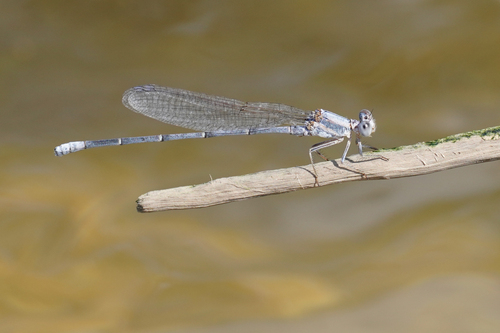
Texas, US
Puedes ver Powdered Dancer y Glassy-Winged Sharpshooter.
Ver guía →

Connecticut, US
Puedes ver Monarch, Common Milkweed y Common Blue Violet.
Ver guía →











_BHL7500836.jpg&width=800)


