American pokeweed
Phytolacca americana
American pokeweed is a tall plant with big green leaves and purple berries. It grows in sunny areas and can be found in gardens and fields. Be careful, though, as the berries can be harmful if eaten!
Hábitat: Urban areas
The American pokeweed is a tall, stout plant with large, oval green leaves and sturdy, often reddish stems. Its small white-to-greenish flowers mature into distinctive drooping clusters of shiny, dark purple-black berries.
Categoría
PlantasRareza
Common
Peligro
4/5 · Alto
Snaps
¡Sé la primera persona en hacer un snap!
Its vibrant purple berries were once used to make ink and dye for fabric!
The name "pokeweed" comes from an Algonquin word meaning "blood," for its red berry juice.
Though poisonous to humans, many birds can safely eat its berries without getting sick!
Young pokeweed shoots are sometimes cooked, but only after boiling repeatedly to remove toxins.
American pokeweed produces toxins that deter most animals from eating its leaves and roots, helping it survive.
Its berries provide a safe, tasty meal for many birds, who then help spread its seeds far and wide!
American pokeweed regrows quickly from its deep, thick taproot after being cut, making it very resilient.
Apis mellifera
Gathers nectar from its small flowers.
Turdus migratorius
Consumes its ripe berries and disperses seeds.
Manduca sexta
Feeds on pokeweed leaves, showing toxin tolerance.
Las plantas caducifolias pierden periódicamente todas sus hojas, por lo general durante el otoño o las estaciones secas.
Las plantas frutales producen frutos, que son los ovarios maduros de las plantas con flores que contienen semillas.
Las plantas medicinales poseen compuestos químicos que pueden utilizarse con fines terapéuticos para tratar enfermedades o mantener la salud.
Los colores otoñales se refieren al cambio estacional en la pigmentación del follaje, principalmente en plantas de hoja caduca, mostrando tonos vibrantes.

Colorido describe a organismos u objetos que exhiben una amplia variedad de colores brillantes y distintivos.

Esta característica de hábitat indica especies que pueden coexistir con los humanos en entornos urbanos y suburbanos, utilizando estructuras artificiales y espacios verdes.

Los organismos venenosos producen toxinas que pueden causar daño si se ingieren, inhalan o absorben por contacto.
Todavía no hay alias listados.
Peligro
4/5 · Alto
Do not eat any part of the pokeweed plant, as it can be very harmful.
100-300 cm
100-200 cm
0.5-1 cm
Summer-Fall
No
Alta
Perenne
Insectos
Acércate para separar los grupos y explorar dónde se ha fotografiado este objeto.
Los snaps recientes aparecerán aquí a medida que se añadan nuevas observaciones.
.jpg)
Maryland, US
Puedes ver Ciervo De Cola Blanca, Japanese Knotweed y Mariquita Asiática.
Ver guía →

Massachusetts, US
Puedes ver Pato, Petirrojo Americano y Cisne Vulgar.
Ver guía →

Virginia, US
Puedes ver Monarch, Tortuga De Caja Oriental y Mariquita Asiática.
Ver guía →
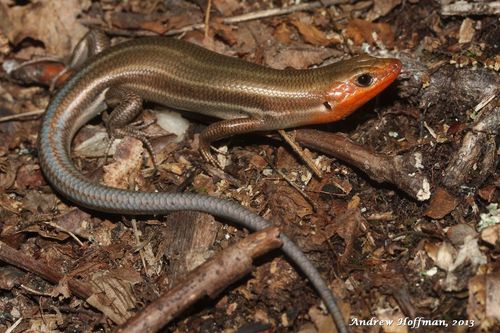
Virginia, US
Puedes ver Common Five-Lined Skink y Tortuga De Caja Oriental.
Ver guía →
.jpg)
District of Columbia, US
Puedes ver Pato, Ardilla Gris Oriental y Estornino Europeo.
Ver guía →
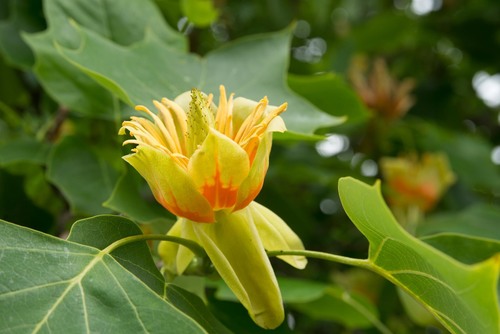
Virginia, US
Puedes ver American Tuliptree, Gorrión Común y Common Eastern Bumble Bee.
Ver guía →