






American white waterlily
Nymphaea odorata
The American white waterlily is a beautiful flower that floats on water. Its big, white petals open up to the sun, making ponds and lakes look lovely.
Hábitat: Wetlands
The American white waterlily has large, circular green leaves that float flat on the water's surface. Its striking, star-shaped flowers are pure white with a bright yellow center, often appearing to float right alongside the leaves.
Categoría
PlantasRareza
Common
Peligro
1/5 · Muy bajo
Snaps
¡Sé la primera persona en hacer un snap!
Each flower floats on a long, flexible stem, letting it bob and sway gently with the water's movement!
Its flowers are like thermometers, warming up slightly to lure in sleepy beetles!
Some waterlily seeds can remain dormant for years at the bottom of a pond before sprouting!
The water-repellent leaves mean rain and dew just roll right off their shiny, green surface!
American white waterlily has broad, buoyant leaves that float on the water, helping it capture maximum sunlight for energy.
American white waterlily can open its fragrant white flowers in the morning and close them again at night, like sleeping!
American white waterlily has strong rhizomes buried in the mud that anchor it firmly and store vital nutrients for winter.
Apis mellifera
Gathers nectar and pollen from flowers
Ondatra zibethicus
Eats the rhizomes and young stems
Lithobates catesbeianus
Hides among the floating leaves

Galerucella nymphaeae
Feeds on the leaves and flowers
Las plantas con flores son cualquier planta que produce flores como parte de su ciclo reproductivo.
Las plantas de floración de verano producen sus flores durante la temporada estival, a menudo aportando un color vibrante cuando muchas otras plantas ya han terminado de florecer.
Las flores fragantes emiten un aroma agradable, a menudo para atraer polinizadores o como defensa.
Los árboles de hoja ancha son angiospermas caracterizadas por hojas planas y anchas que típicamente se caen anualmente en climas templados.

Describe plantas que son particularmente atractivas y beneficiosas para una amplia variedad de organismos polinizadores.

Este rasgo de hábitat identifica especies que se encuentran en humedales, que son áreas de tierra saturadas de agua, ya sea permanente o estacionalmente, e incluyen marismas, pantanos y ciénagas.

Los hábitats de agua dulce incluyen entornos acuáticos no salinos como ríos, lagos, estanques y humedales, vitales para numerosas especies.

Los hábitats acuáticos abarcan entornos donde los organismos viven principalmente en el agua, incluidos océanos, ríos, lagos y humedales.
Peligro
1/5 · Muy bajo
Always stay close to an adult when near water to stay safe.
5-30 cm
60-150 cm
10-20 cm
Late spring to early fall
Sí
Ninguna
Perenne
Insectos
Acércate para separar los grupos y explorar dónde se ha fotografiado este objeto.
Los snaps recientes aparecerán aquí a medida que se añadan nuevas observaciones.
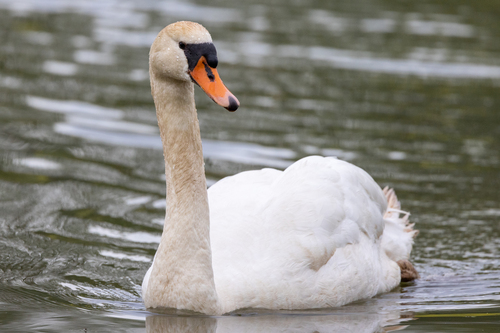
New York, US
Puedes ver Cisne Vulgar, Pato y Gorrión Común.
Ver guía →
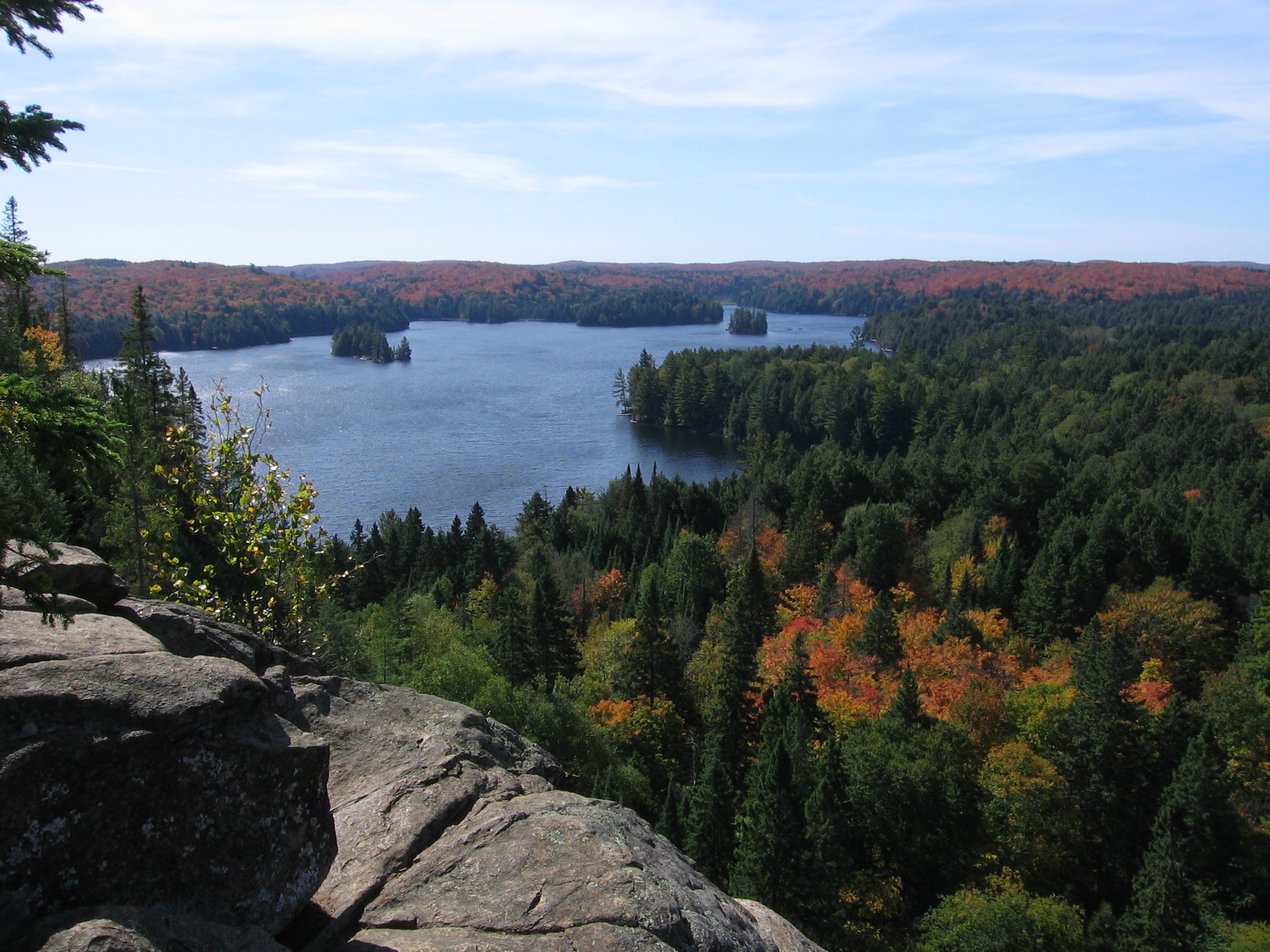
Ontario, CA
Puedes ver Alce, Brittlegills y Canadian Bunchberry.
Ver guía →

Virginia, US
Puedes ver Mayapple, Cardenal Norteño y Multiflora Rose.
Ver guía →

Iowa, US
Puedes ver Ciervo De Cola Blanca, Rana Toro Americana y Cup Plant.
Ver guía →

Oregon, US
Puedes ver Barnacla Canadiense, Pato y Greater White-Fronted Goose.
Ver guía →

Georgia, US
Puedes ver Red-Headed Woodpecker y American White Waterlily.
Ver guía →


















