
.jpg&width=800)





Anicia Checkerspot
Euphydryas anicia
The Anicia Checkerspot is a beautiful butterfly with bright orange and black patterns. It loves to flutter around flowers and is often seen in sunny meadows during warm months.
Hábitat: Grasslands
The Anicia Checkerspot has an intricate checkerboard pattern across its wings, featuring prominent bands of orange and black, often contrasted with cream or yellow spots. This distinctive tessellation helps distinguish it from other butterflies, especially those with simpler patterns.
Categoría
InsectosRareza
Common
Peligro
1/5 · Muy bajo
Snaps
¡Sé la primera persona en hacer un snap!
Each tiny wing scale gives the Anicia Checkerspot its amazing colors and unique patterns!
Some caterpillars take over a year to grow, safely overwintering under plants!
Their wings get color from tiny scales, not pigments, reflecting light like jewels!
They're called "checkerspot" because their wing pattern truly looks like a checkerboard!
Anicia Checkerspot caterpillars can store toxins from their host plants, making them distasteful to predators.
Larvae can pause development, hibernating under plants or rocks to survive harsh winters.
Caterpillars munch on specific plants, while adult butterflies sip sweet flower nectar.
Diferencias por edad: Yes, larvae consume host plant leaves, while adults feed on flower nectar.
Plantago lanceolata
Larvae feed on leaves for growth.
Penstemon procerus
Caterpillars consume leaves for energy.
Turdus migratorius
Butterflies are a food source for birds.
Achillea millefolium
Adults visit flowers for vital nectar.
Los animales solitarios viven solos durante la mayor parte de su vida y solo interactúan con otros para aparearse o cuidar de sus crías.
Colorido describe a organismos u objetos que exhiben una amplia variedad de colores brillantes y distintivos.
Este rasgo caracteriza a los organismos cuya dieta consiste total o principalmente en material vegetal.
Describe plantas que son particularmente atractivas y beneficiosas para una amplia variedad de organismos polinizadores.

Los hábitats de pastizales son biomas terrestres dominados por pastos y plantas herbáceas, que sustentan a una variedad de animales de pastoreo.

Los animales diurnos están activos principalmente durante el día y suelen descansar o dormir por la noche.

Describe organismos que transfieren polen, permitiendo la fertilización y reproducción de las plantas.
Todavía no hay alias listados.
Peligro
1/5 · Muy bajo
Always look but don't touch butterflies; they are delicate and need to be safe.
35-50 mm
15-25 mm
7-14 días
10 km/h
Caterpillars munch on specific plants, while adult butterflies sip sweet flower nectar.
Grasslands
Foraging
6
Acércate para separar los grupos y explorar dónde se ha fotografiado este objeto.
Los snaps recientes aparecerán aquí a medida que se añadan nuevas observaciones.
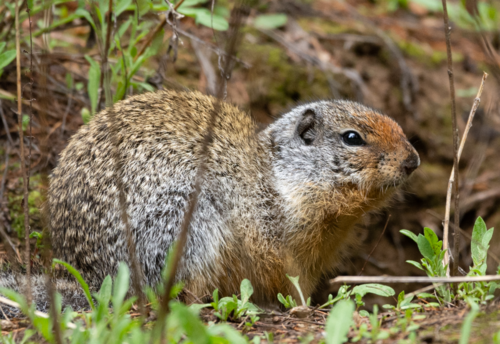
British Columbia, CA
Puedes ver Columbian Ground Squirrel y Spotted Knapweed.
Ver guía →
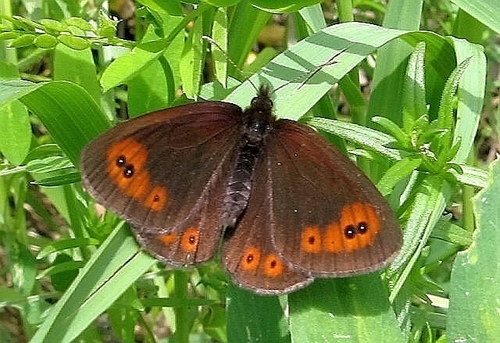
British Columbia, CA
Puedes ver Common Alpine, Common Juniper y Field Chickweed.
Ver guía →
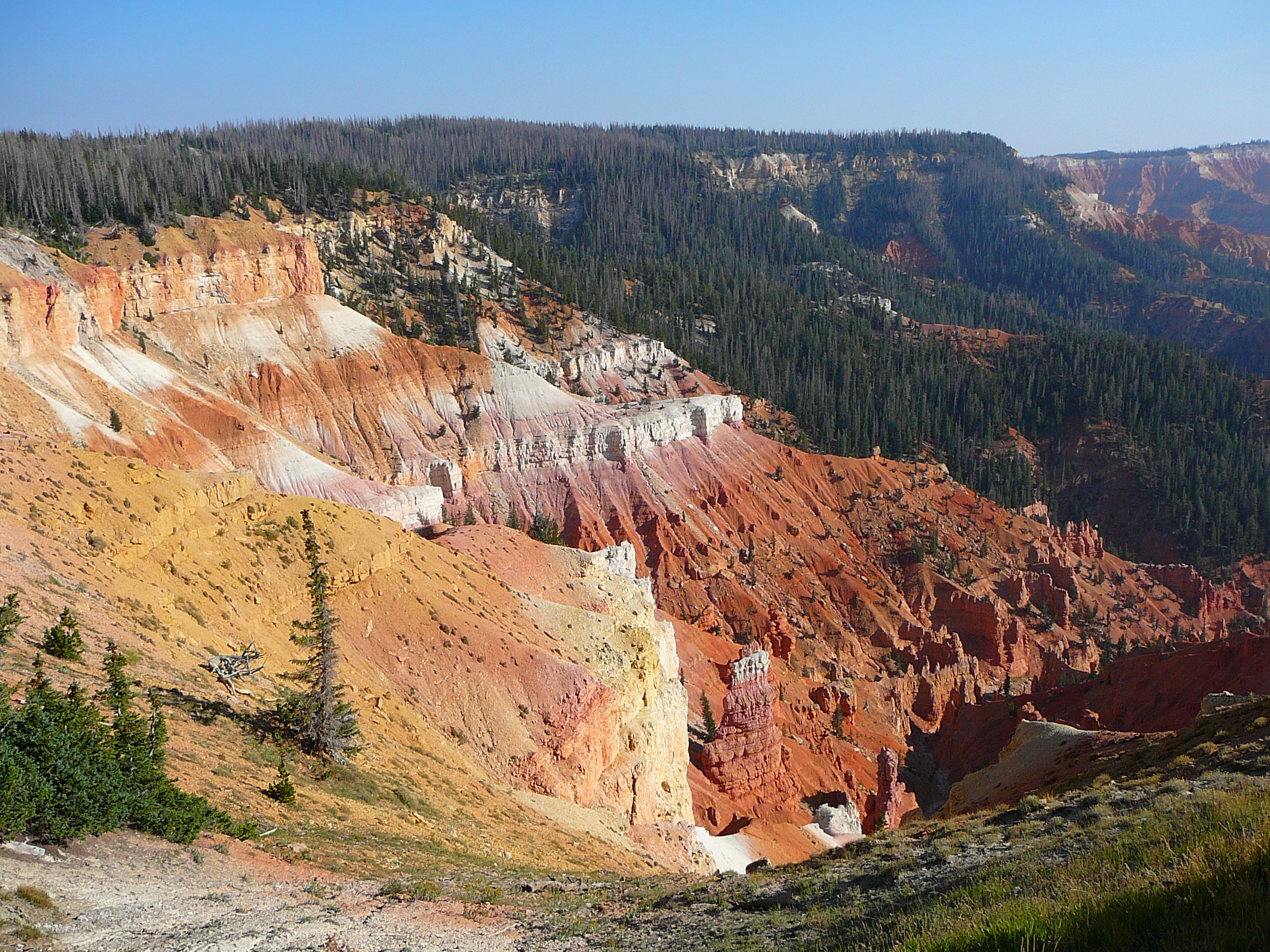
Utah, US
Puedes ver Great Basin Bristlecone Pine, Blue Columbine y Monument Plant.
Ver guía →
.jpg)
British Columbia, CA
Puedes ver Oregon Grape, Heartleaf Arnica y Solomon's Plume.
Ver guía →

British Columbia, CA
Puedes ver Oregon Grape, Shinyleaf Meadowsweet y Bush Penstemon.
Ver guía →











