






annual polemonium
Polemonium micranthum
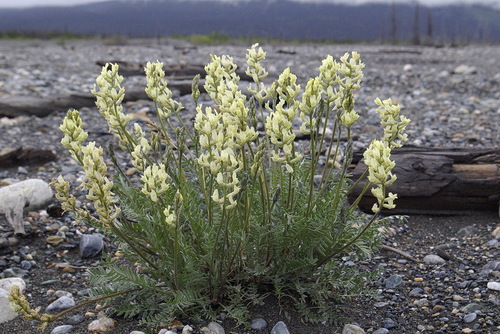
The annual polemonium is a lovely flower that blooms in bright colors. It has soft, feathery leaves and can be found in meadows and open areas, adding beauty to nature's canvas.
Hábitat: Meadows
The annual polemonium has delicate, cup-shaped flowers typically displaying shades of pale blue to white, sometimes with purple veins. Its feather-like leaves, arranged like a ladder, grow from slender stems, forming a small, often sprawling plant.
Categoría
PlantasRareza
Common
Peligro
1/5 · Muy bajo
Snaps
¡Sé la primera persona en hacer un snap!
It loves growing in disturbed places, like roadsides or recently cleared land!
Its scientific name, 'micranthum,' means "small-flowered," just like its tiny blooms!
Some people call it "Jacob's Ladder" because its leaves look like rungs!
The fragile flowers usually open for only a single day, a fleeting beauty!
Annual polemonium can complete its entire life cycle from seed to flower to seed in just one year, helping it thrive in habitats with short growing seasons.
Annual polemonium has tough seeds that can stay dormant in the soil for many years, waiting for the perfect conditions to sprout.
Annual polemonium has very small, pale flowers that attract specific tiny bees and flies, ensuring its pollination even with its delicate blooms.

Bombus vosnesenskii
Carries pollen between its small flowers.
Apis mellifera
Visits flowers for nectar and pollen.

Melanoplus differentialis
Feeds on its leaves and tender stems.
Peromyscus maniculatus
Consumes its tiny seeds, helping to disperse them.
Las plantas con flores son cualquier planta que produce flores como parte de su ciclo reproductivo.
Las plantas de floración primaveral producen sus flores durante la temporada de primavera, lo que a menudo significa el final del invierno y el comienzo de un nuevo crecimiento.
Las flores fragantes emiten un aroma agradable, a menudo para atraer polinizadores o como defensa.
Colorido describe a organismos u objetos que exhiben una amplia variedad de colores brillantes y distintivos.

Describe plantas que son particularmente atractivas y beneficiosas para una amplia variedad de organismos polinizadores.

Los hábitats de pastizales son biomas terrestres dominados por pastos y plantas herbáceas, que sustentan a una variedad de animales de pastoreo.
Todavía no hay alias listados.
Peligro
1/5 · Muy bajo
Always look at flowers but don't pick them, as they are homes for many tiny creatures.
5-30 cm
10-20 cm
0.5-1 cm
Spring to early Summer (April-July)
No
Ninguna
Anual
Insectos
Acércate para separar los grupos y explorar dónde se ha fotografiado este objeto.
Los snaps recientes aparecerán aquí a medida que se añadan nuevas observaciones.








_-_Flickr_-_wackybadger_(1).jpg&width=800)



_(7028865977).jpg&width=800)


