






Yellow-faced Bumble Bee
Bombus vosnesenskii
The Yellow-faced Bumble Bee is a fuzzy little insect that loves to buzz around flowers. They are important pollinators, helping plants grow by spreading pollen as they collect nectar.
Hábitat: Grasslands
The Yellow-faced Bumble Bee is a medium to large bee with a mostly black body, striking bright yellow bands, especially on the front of its head (face) and the top of its thorax. It also has a distinct yellow patch on the first segment of its abdomen, making it stand out from other bumble bees.
Categoría
InsectosRareza
Common
Peligro
2/5 · Bajo
Snaps
¡Sé la primera persona en hacer un snap!
Bumble bees can 'learn' which flowers have the best nectar by remembering their colours!
If their nest is disturbed, they can bite AND sting, but they usually just want to be left alone!
Queens wake up first in spring, starting a whole new colony all by herself!
They use an amazing internal compass to find their way home, even after long flights.
The Yellow-faced Bumble Bee can 'buzz pollinate' by vibrating flowers, shaking out hidden pollen that helps plants create more seeds.
The Yellow-faced Bumble Bee has a special ability to shiver its flight muscles to warm up, allowing it to forage in cooler weather.
The Yellow-faced Bumble Bee has special 'pollen baskets' on its legs that help them carry large loads of pollen back to their colony.
They drink sweet flower nectar for energy and gather pollen for their growing babies.
Lupinus arboreus
Helps this native plant produce seeds.
Eschscholzia californica
Transfers pollen for this iconic state flower.
_Misumena_vatia_male.jpg&width=800)
Misumena vatia
Often ambushed by this camouflaged hunter.
.jpg&width=800)
Tyrannus verticalis
Can be caught by this bird mid-flight.
Peludo describe a los animales que poseen una cubierta densa de pelo o pelaje suave.
Los animales sociales viven en grupos organizados, cooperando para obtener beneficios de supervivencia como la búsqueda de alimento, la defensa y la cría de descendencia.
Este rasgo caracteriza a los organismos cuya dieta consiste total o principalmente en material vegetal.
Describe plantas que son particularmente atractivas y beneficiosas para una amplia variedad de organismos polinizadores.

Los hábitats de pastizales son biomas terrestres dominados por pastos y plantas herbáceas, que sustentan a una variedad de animales de pastoreo.

Los animales diurnos están activos principalmente durante el día y suelen descansar o dormir por la noche.

Describe una especie cuya presencia y papel tienen un efecto desproporcionadamente grande en su entorno.

Describe organismos que transfieren polen, permitiendo la fertilización y reproducción de las plantas.
Todavía no hay alias listados.
Peligro
2/5 · Bajo
Be gentle and quiet around bees. They are usually friendly and only sting if they feel scared.
18-35 mm
9-22 mm
20-40 días
25 km/h
They drink sweet flower nectar for energy and gather pollen for their growing babies.
Grasslands
Foraging
6
Acércate para separar los grupos y explorar dónde se ha fotografiado este objeto.
Los snaps recientes aparecerán aquí a medida que se añadan nuevas observaciones.
British Columbia, CA
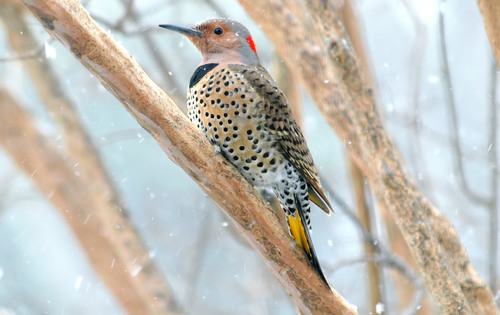
Puedes ver Carpintero Norteño, Pavo Real Común y Red-Breasted Sapsucker.
Ver guía →

Washington, US
Puedes ver Barnacla Canadiense, Margarita y Pato.
Ver guía →

Washington, US
Puedes ver Búho Nival, Abeja y Cuervo Americano.
Ver guía →
.jpg)
California, US
Puedes ver Long-Billed Curlew, Snowy Plover y Sanderling.
Ver guía →

Washington, US
Puedes ver Araña De Jardín, Pato y Fringed Willowherb.
Ver guía →

Washington, US
Puedes ver Barnacla Canadiense, Pato y American Coot.
Ver guía →









