



Argentine Black-and-white Tegu
Salvator merianae
The Argentine Black-and-white Tegu is a large lizard with beautiful black and white patterns. They are curious creatures that love to explore their surroundings and can even be friendly with people!
Hábitat: Grasslands
The Argentine Black-and-white Tegu is a large, powerful lizard featuring a striking pattern of black and white bands or spots across its body and tail. It has a robust build, strong limbs, and a pointed head, making it distinctly recognizable among South American reptiles.
Categoría
ReptilesRareza
Common
Peligro
2/5 · Bajo
Snaps
¡Sé la primera persona en hacer un snap!
Baby tegus are sometimes greener, changing colors as they grow into striking adults!
Tegus are surprisingly smart lizards; they can even be clicker-trained like some pets!
These powerful lizards can easily raid nests for delicious bird and reptile eggs!
They enter a long winter sleep called brumation, staying safe in deep burrows for months!
Argentine Black-and-white Tegu can locate hidden food and track prey using its forked tongue to 'taste' scents in the air.
Argentine Black-and-white Tegu can raise its body temperature above the environment, even creating internal warmth like mammals.
Argentine Black-and-white Tegu has a thick, muscular tail that can be used to whip predators, defending itself effectively.
These smart lizards are omnivores, eating almost anything from fruits to small animals.
Diferencias por edad: Juveniles eat more insects; adults consume more fruits, eggs, and small vertebrates.
Boa constrictor
A primary predator, especially of younger tegus and eggs.
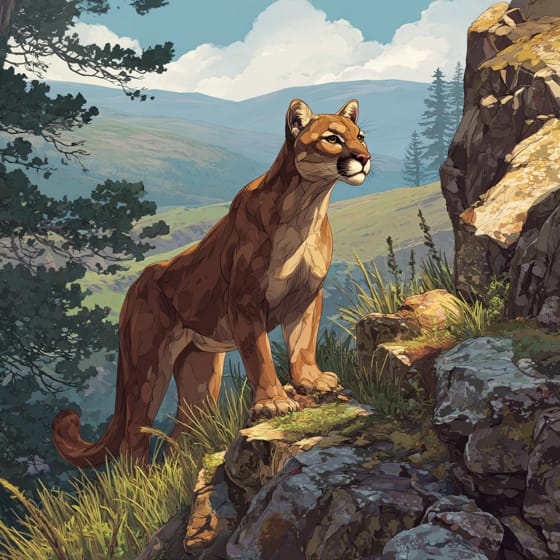
Puma concolor
Large cat that preys on adult tegus in their natural habitat.
Passiflora edulis
Tegus enjoy eating the ripe, sweet fruit from passion fruit vines.
Gryllus assimilis
Young tegus eagerly hunt and consume this common cricket species.
Caiman latirostris
Tegus often raid nests to eat the eggs of these caimans.
Marcado con bandas paralelas o líneas de color.
Los animales sociales viven en grupos organizados, cooperando para obtener beneficios de supervivencia como la búsqueda de alimento, la defensa y la cría de descendencia.
Este rasgo identifica organismos cuya dieta incluye tanto materia vegetal como animal.
Colorido describe a organismos u objetos que exhiben una amplia variedad de colores brillantes y distintivos.

Los animales excavadores cavan túneles y cámaras en el suelo y utilizan estas estructuras subterráneas para refugiarse, cazar o reproducirse.

Los hábitats de pastizales son biomas terrestres dominados por pastos y plantas herbáceas, que sustentan a una variedad de animales de pastoreo.

Los animales diurnos están activos principalmente durante el día y suelen descansar o dormir por la noche.

Este rasgo identifica a los organismos que exhiben una rapidez excepcional en sus movimientos para cazar, escapar o desplazarse.
Peligro
2/5 · Bajo
Always watch from a distance and never try to touch a wild lizard.
80-140 cm
3-9 kg
15-20 años
18 km/h
These smart lizards are omnivores, eating almost anything from fruits to small animals.
2 km/h
Grasslands
Foraging
Acércate para separar los grupos y explorar dónde se ha fotografiado este objeto.
Los snaps recientes aparecerán aquí a medida que se añadan nuevas observaciones.