






Gopher Tortoise
Gopherus polyphemus
The Gopher Tortoise is a slow-moving reptile that digs deep burrows in the ground. These burrows provide homes for many other animals, making the tortoise a great helper in nature!
Hábitat: Grasslands
The Gopher Tortoise has a sturdy, dome-shaped shell that is typically grayish-brown to dark brown. Its skin is dull grayish-yellow to brown, with thick, elephantine legs and flattened, shovel-like forelimbs. It is visually distinct for its large front claws, perfect for digging.
Categoría
ReptilesRareza
Common
Peligro
1/5 · Muy bajo
Snaps
¡Sé la primera persona en hacer un snap!
Gopher Tortoises can eat tough prickly pear cactus, thorns and all!
Hundreds of different animal species share tortoise burrows!
Their front legs are shaped like powerful shovels, perfect for digging!
They are the only native tortoise found in the southeastern USA!
Gopher Tortoise has burrows that help them escape extreme heat and cold, keeping them safe from harsh weather conditions.
Gopher Tortoise can build extensive underground tunnels that provide shelter and homes for hundreds of other animal species.
These plant-eaters munch on leaves, flowers, fruits, and stems to get all their energy!
Drymarchon couperi
finds refuge in burrows
Lithobates capito
uses burrows for shelter
Podomys floridanus
nests inside their burrows
Procyon lotor
eats tortoise eggs and hatchlings
Los animales sociales viven en grupos organizados, cooperando para obtener beneficios de supervivencia como la búsqueda de alimento, la defensa y la cría de descendencia.
Los animales excavadores cavan túneles y cámaras en el suelo y utilizan estas estructuras subterráneas para refugiarse, cazar o reproducirse.
Este rasgo caracteriza a los organismos cuya dieta consiste total o principalmente en material vegetal.
Los hábitats de pastizales son biomas terrestres dominados por pastos y plantas herbáceas, que sustentan a una variedad de animales de pastoreo.

Este rasgo caracteriza a los organismos con una esperanza de vida excepcionalmente larga en comparación con otros de su especie.

Acorazado describe a los animales protegidos por una cubierta externa dura o caparazón para defenderse.

Los animales diurnos están activos principalmente durante el día y suelen descansar o dormir por la noche.

Describe una especie cuya presencia y papel tienen un efecto desproporcionadamente grande en su entorno.

El estado de peligro de extinción indica que una especie corre un riesgo muy alto de extinguirse en estado silvestre en un futuro próximo.
Todavía no hay alias listados.
Peligro
1/5 · Muy bajo
Do not touch or disturb wild tortoises; they need their space to feel safe.
20-30 cm
3-7 kg
40-60 años
0.5 km/h
These plant-eaters munch on leaves, flowers, fruits, and stems to get all their energy!
Grasslands
Foraging
3-15
Acércate para separar los grupos y explorar dónde se ha fotografiado este objeto.
Los snaps recientes aparecerán aquí a medida que se añadan nuevas observaciones.

Alabama, US
Puedes ver Baja California Rat Snake y Blue-Faced Honeyeater.
Ver guía →

Florida, US
Puedes ver Cangrejo Azul, Mono Aullador y Visayan Warty Pig.
Ver guía →

Louisiana, US
Puedes ver Ringed Teal, Kirk's Dik-Dik y Chinchilla Lanigera.
Ver guía →
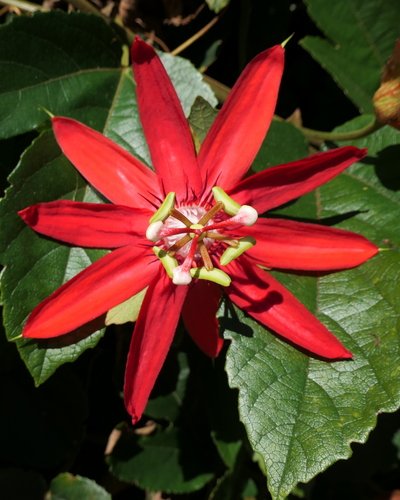
Florida, US
Puedes ver Passiflora 'scarlet Flame' y Carolina Burying Beetle.
Ver guía →
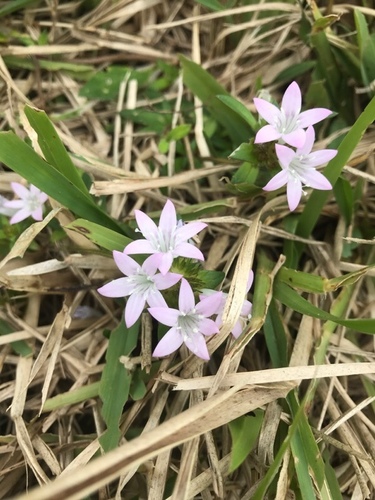
Florida, US
Puedes ver Largeflower Mexican Clover y Loggerhead Shrike.
Ver guía →




.jpg&width=800)


_-_Flickr_-_2ndPeter.jpg&width=800)



